
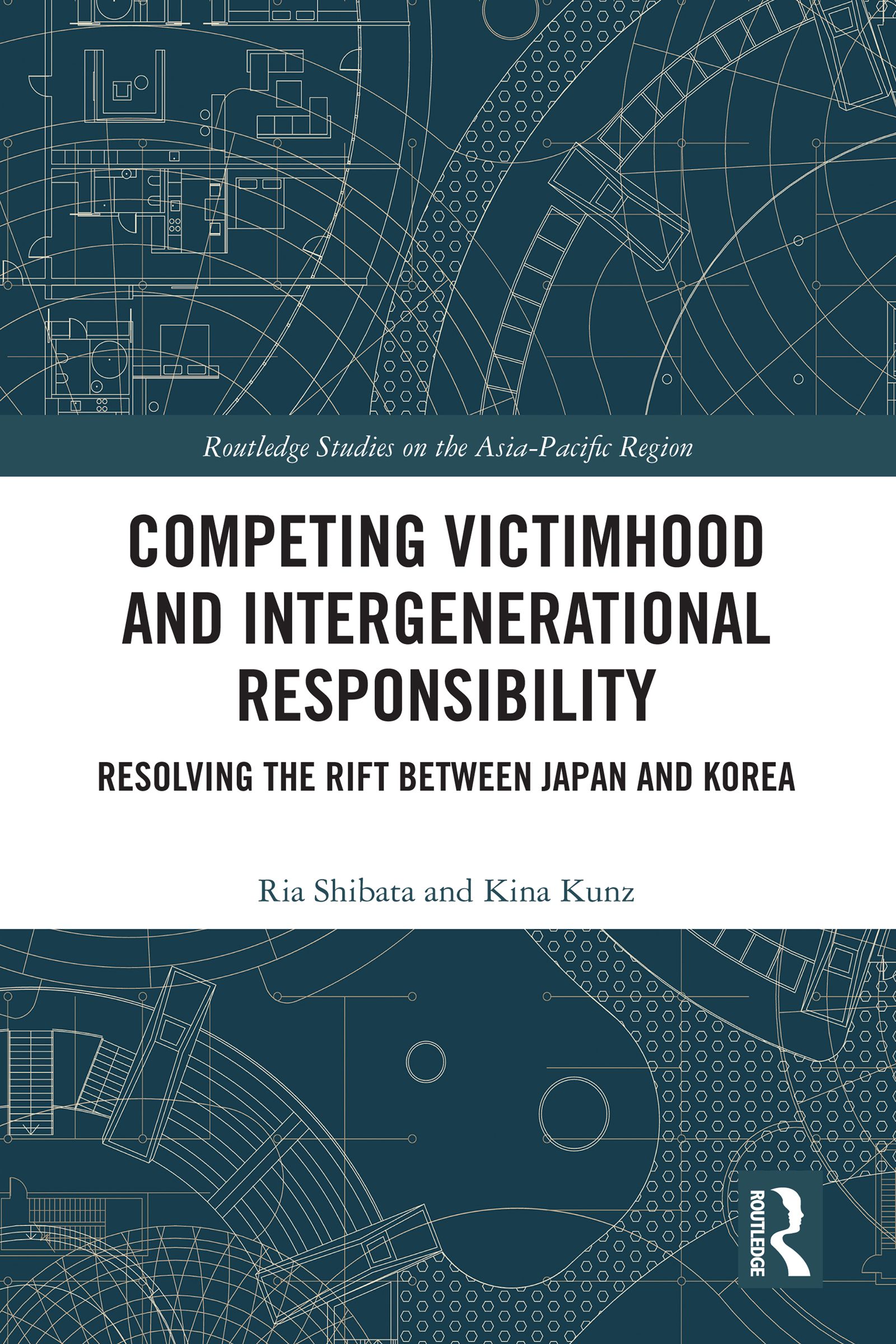
Shibata and Kunz delve into the deep-seated identity factors that have perpetuated the conflict between Japan and South Korea. The enduring diplomatic and political tensions between the two nations are rooted in unresolved historical grievances and entrenched narratives of victimhood, which continue to shape their national identities. For meaningful reconciliation to take place, these divisive historical memories and narratives must be critically examined to build a stronger foundation for sustained diplomatic efforts.
This book investigates the socio-psychological dynamics of competing victimhood, shedding light on the key barriers to reconciliation and exploring Japanese perspectives on intergenerational responsibility for historical injustices. Through a nuanced analysis of the complex identity conflict between Japan and South Korea, it provides valuable insights and practical guidance for policymakers, civil society leaders, and the broader public to foster dialogue, rebuild trust, and promote long-term cooperation between the two nations.
An essential book for researchers and scholars of international relations, peace and conflict studies, and global studies, as well as a critical tool for policymakers and practitioners working in conflict resolution and reconciliation.
Zahle einfach mit Karte, Klarna, Apple Pay oder Google Pay. Nicht zufrieden? Du hast immer ein 14-tägiges Widerrufsrecht. Lies mehr in unseren AGB. Hast du Fragen, schreib uns eine E-Mail an hello@memmo.org.
Memmo macht das Lernen einfacher – wo auch immer du bist. Bei uns findest du deine Kursbücher und smarte Lerntools an einem Ort: Zusammenfassungen, Quizzes, Podcasts und Lernkarten. Und Ted, dein Lernbuddy, beantwortet alles, was du wissen möchtest. Über 50.000 Studierende lernen bereits hier – gemacht, damit du schneller lernst und weniger Stress hast.