
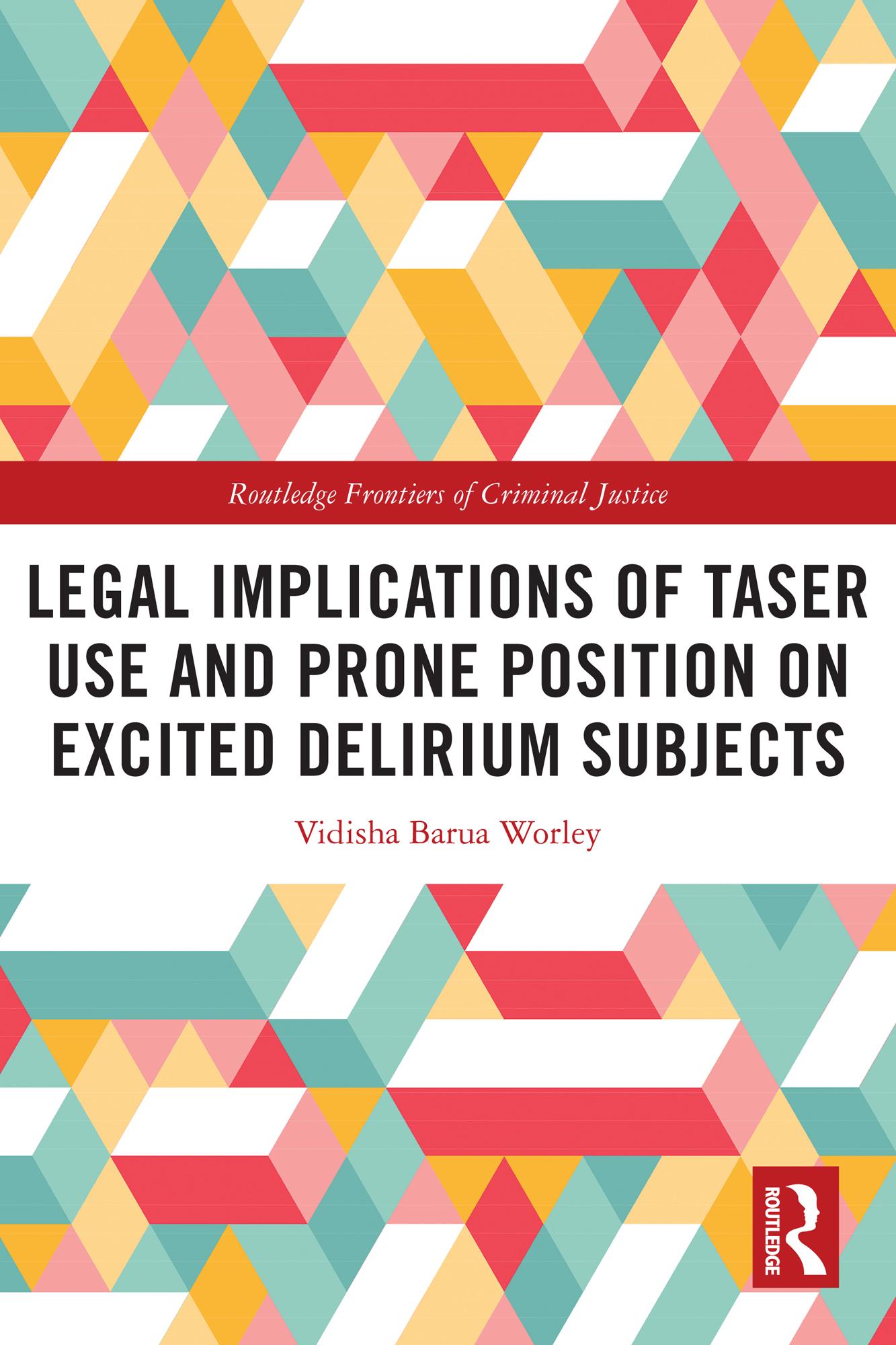
Using case law, this book explores the controversial issues associated with excited or hyperactive delirium with severe agitation, including the appropriate use of tasers, and the inhumane practice of applying bodyweight pressure on subjects by placing them face down in the prone position, depriving them of the ability to breathe.
This study alerts society to the urgent need to treat excited delirium as a medical emergency, rather than a crime scene where a multi-agency collaborative effort can de-escalate and manage these hyperthermic and paranoid individuals allowing them an opportunity to live. It also argues that the reaction of some U.S. states, that are prohibiting the term "excited delirium" and preventing officers from getting adequately trained, can have devastating results by increasing municipal liability for failure to train. It also fails those individuals undergoing serious mental health crises by way of excited delirium or seizures, who need to be served and protected as per the social contract theory.
Legal Implications of Taser Use and Prone Position on Excited Delirium Subjects will be of interest to legislators, attorneys, judges, police agencies, correctional facilities, and graduate-level students in criminal justice, law, and the social sciences.
Zahle einfach mit Karte, Klarna, Apple Pay oder Google Pay. Nicht zufrieden? Du hast immer ein 14-tägiges Widerrufsrecht. Lies mehr in unseren AGB. Hast du Fragen, schreib uns eine E-Mail an hello@memmo.org.
Memmo macht das Lernen einfacher – wo auch immer du bist. Bei uns findest du deine Kursbücher und smarte Lerntools an einem Ort: Zusammenfassungen, Quizzes, Podcasts und Lernkarten. Und Ted, dein Lernbuddy, beantwortet alles, was du wissen möchtest. Über 50.000 Studierende lernen bereits hier – gemacht, damit du schneller lernst und weniger Stress hast.