
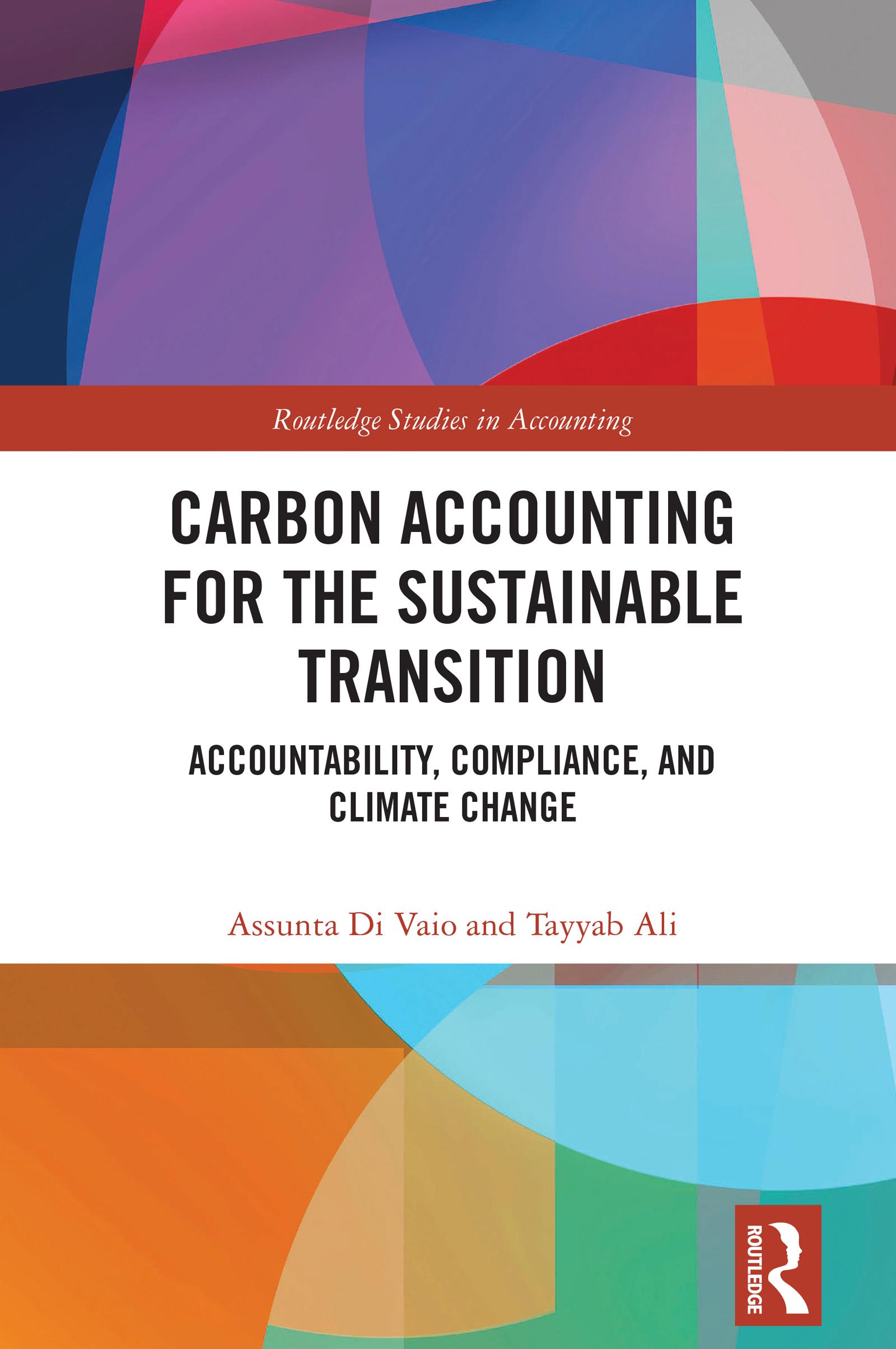
With the window to keep the 1.5-degree goal alive rapidly closing, it is now more crucial than ever for organizations to intensify the scope and pace of their actions. This book focuses on the existing gaps in the sustainability accounting research field for carbon matter. It addresses the decarbonization practices adopted by firms to achieve the sustainability transition, including the implementation of new technologies and sustainable practices, analyzing their impact from a socioeconomic and environmental perspective. This book provides a rigorous systematization of scientific literature and grey literature concerning the measurement and reporting systems for the carbon processes that firms are adopting to mitigate climate change.
The evolving regulatory landscape and the increasing institutional pressures underscore the responsibility of each actor, including firms, in making a concrete contribution to a sustainable future. The call for the actions to be taken aligns with the need for a solid framework to guide efforts toward achieving goals related to people, planet, prosperity, peace, and partnership. These efforts align with the United Nations 2030 Agenda, reflecting a global commitment to sustainable development across environmental and social dimensions.
Positioning firms as pivotal agents in climate mitigation, the book highlights the growing importance of integrating artificial intelligence into sustainability accounting and disclosure processes. It advances timely questions about how artificial intelligence can support ethical, transparent, and effective reporting while helping organizations strike a balance between profitability and environmental stewardship, an issue that remains central to current debates among scholars, practitioners, and corporate consultancy firms.
Assunta Di Vaio, Ph.D., is Professor of Business Administration at the University of Naples Parthenope, Italy.
Tayyab Ali has a Ph.D. in economics, statistics, and sustainability (Doctor Europaeus) from the University of Naples Parthenope, Italy.
Zahle einfach mit Karte, Klarna, Apple Pay oder Google Pay. Nicht zufrieden? Du hast immer ein 14-tägiges Widerrufsrecht. Lies mehr in unseren AGB. Hast du Fragen, schreib uns eine E-Mail an hello@memmo.org.
Memmo macht das Lernen einfacher – wo auch immer du bist. Bei uns findest du deine Kursbücher und smarte Lerntools an einem Ort: Zusammenfassungen, Quizzes, Podcasts und Lernkarten. Und Ted, dein Lernbuddy, beantwortet alles, was du wissen möchtest. Über 50.000 Studierende lernen bereits hier – gemacht, damit du schneller lernst und weniger Stress hast.