
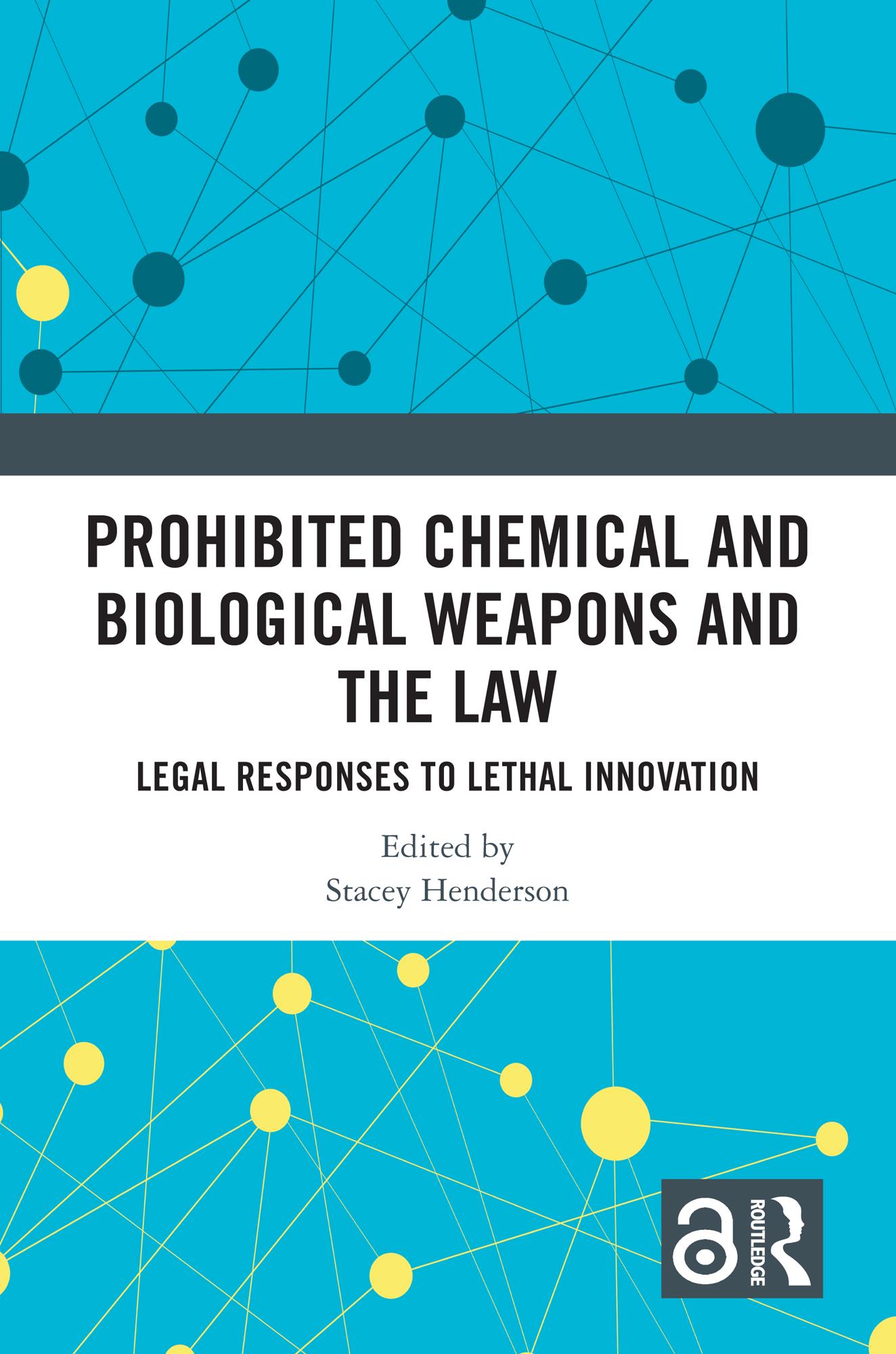
Scientific advances in the biological and chemical sciences can offer significant benefits to humanity, but these discoveries may also lead to the proliferation of novel classes of weapons and new uses for them. This book explores the current challenges, risks, and opportunities posed by new scientific discoveries in this area. Focusing on non-human consequences of the use of chemical and biological weapons, issues discussed include their environmental impact; the use of herbicides in armed conflicts; the dangers presented by the transport of chemical and biological agents; the impact of technology on the development and/or manufacture of chemical and biological agents; and the various implementation efforts at national level across countries and regions. The work examines whether the prohibitions on the use of chemical and biological weapons are being weakened, or whether international responses to allegations of their use in recent armed conflicts are actually reinforcing the prohibitions. The book will be of interest to academics, researchers, and policymakers working in the areas of International Humanitarian Law, Security Law, Disarmament, Non-proliferation and Arms Control, International Relations, and Security Studies.
Chapters 1, 2 and 9 of this book are freely available as a downloadable Open Access PDF at http://www.taylorfrancis.com under a Creative Commons Attribution-Non Commercial-No Derivatives (CC BY-NC-ND) 4.0 license.
Zahle einfach mit Karte, Klarna, Apple Pay oder Google Pay. Nicht zufrieden? Du hast immer ein 14-tägiges Widerrufsrecht. Lies mehr in unseren AGB. Hast du Fragen, schreib uns eine E-Mail an hello@memmo.org.
Memmo macht das Lernen einfacher – wo auch immer du bist. Bei uns findest du deine Kursbücher und smarte Lerntools an einem Ort: Zusammenfassungen, Quizzes, Podcasts und Lernkarten. Und Ted, dein Lernbuddy, beantwortet alles, was du wissen möchtest. Über 50.000 Studierende lernen bereits hier – gemacht, damit du schneller lernst und weniger Stress hast.