
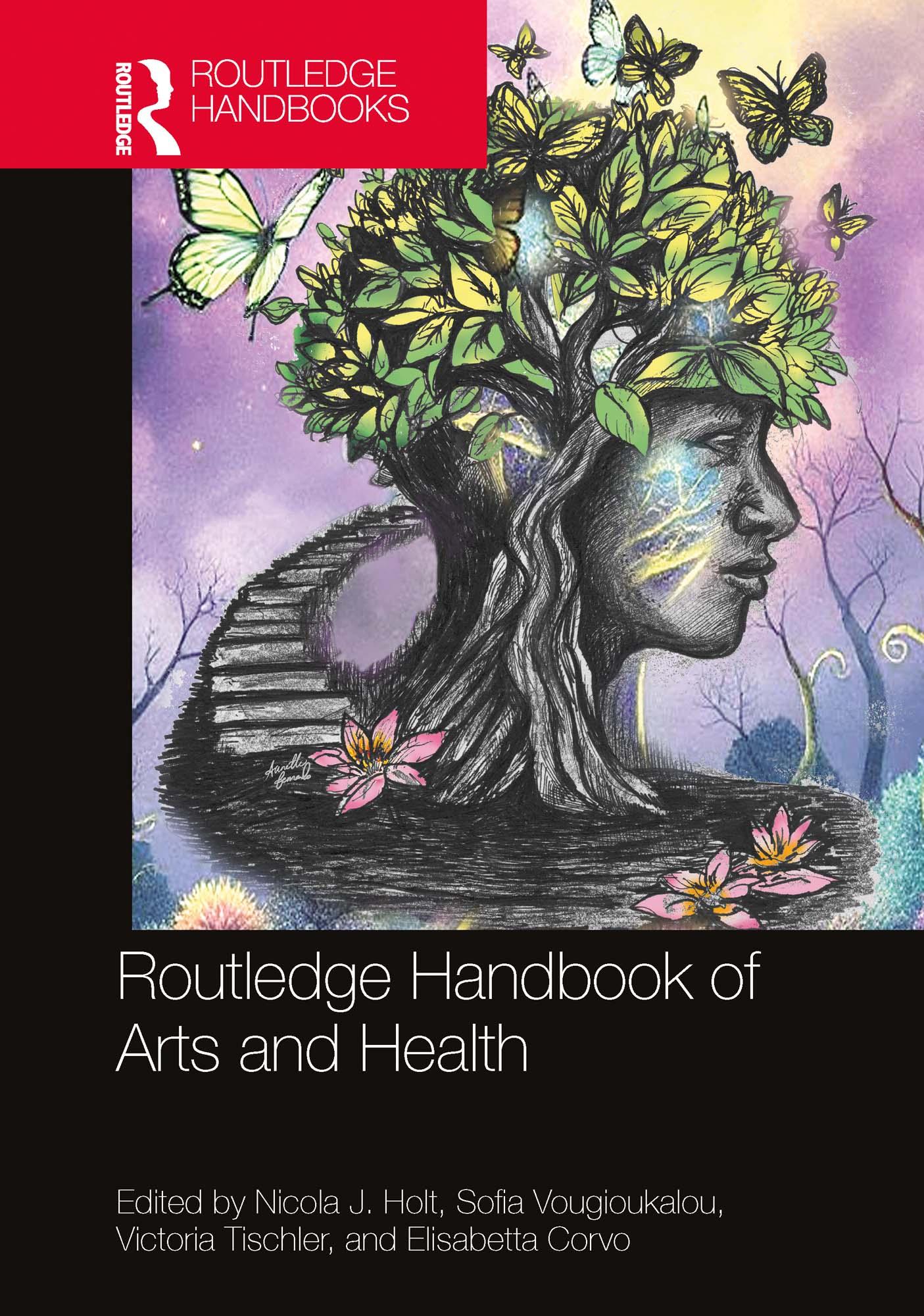
This comprehensive Handbook defines, surveys, and critiques the burgeoning discipline of arts and health. It brings together the growing evidence base and discusses policy and practice from around the world. Divided into five sections, the Handbook introduces the discipline of the arts and health, explains its importance, and critically examines historical developments, current practice, research theory, and policy.
The first section looks at historical and contemporary approaches to the arts and health, including considerations from global perspectives and discussion of relevant models and frameworks for conceptualising it. The second section provides an overview of the main methods, applications, evidence base, and active ingredients of individual domains of art, such as the performing arts, creative writing, and the visual arts. The third section highlights how the arts are used to help with specific health needs and with specific populations, providing a more detailed overview of research and practice in key areas, such as adult mental health, and working with children and young people. In the fourth section, consideration is given to how the arts can be used and integrated with specific health professions, such as within public health interventions, forensic settings, psychiatry, schools, hospitals, and occupational therapy. The fifth section explores established and emerging theoretical perspectives, debates, and models for understanding the impact of the arts for health, including epidemiological, biological, social, ethical and critical perspectives. The Handbook ends with a discussion of trends, complexities, and future directions in the field.
A comprehensive overview of the expanding research and scholarship in the arts and health, this Handbook is an essential reference for all advanced students, scholars, and practitioners from a wide range of related backgrounds, including the health professions, psychology, education, and the medical humanities.
Zahle einfach mit Karte, Klarna, Apple Pay oder Google Pay. Nicht zufrieden? Du hast immer ein 14-tägiges Widerrufsrecht. Lies mehr in unseren AGB. Hast du Fragen, schreib uns eine E-Mail an hello@memmo.org.
Memmo macht das Lernen einfacher – wo auch immer du bist. Bei uns findest du deine Kursbücher und smarte Lerntools an einem Ort: Zusammenfassungen, Quizzes, Podcasts und Lernkarten. Und Ted, dein Lernbuddy, beantwortet alles, was du wissen möchtest. Über 50.000 Studierende lernen bereits hier – gemacht, damit du schneller lernst und weniger Stress hast.