
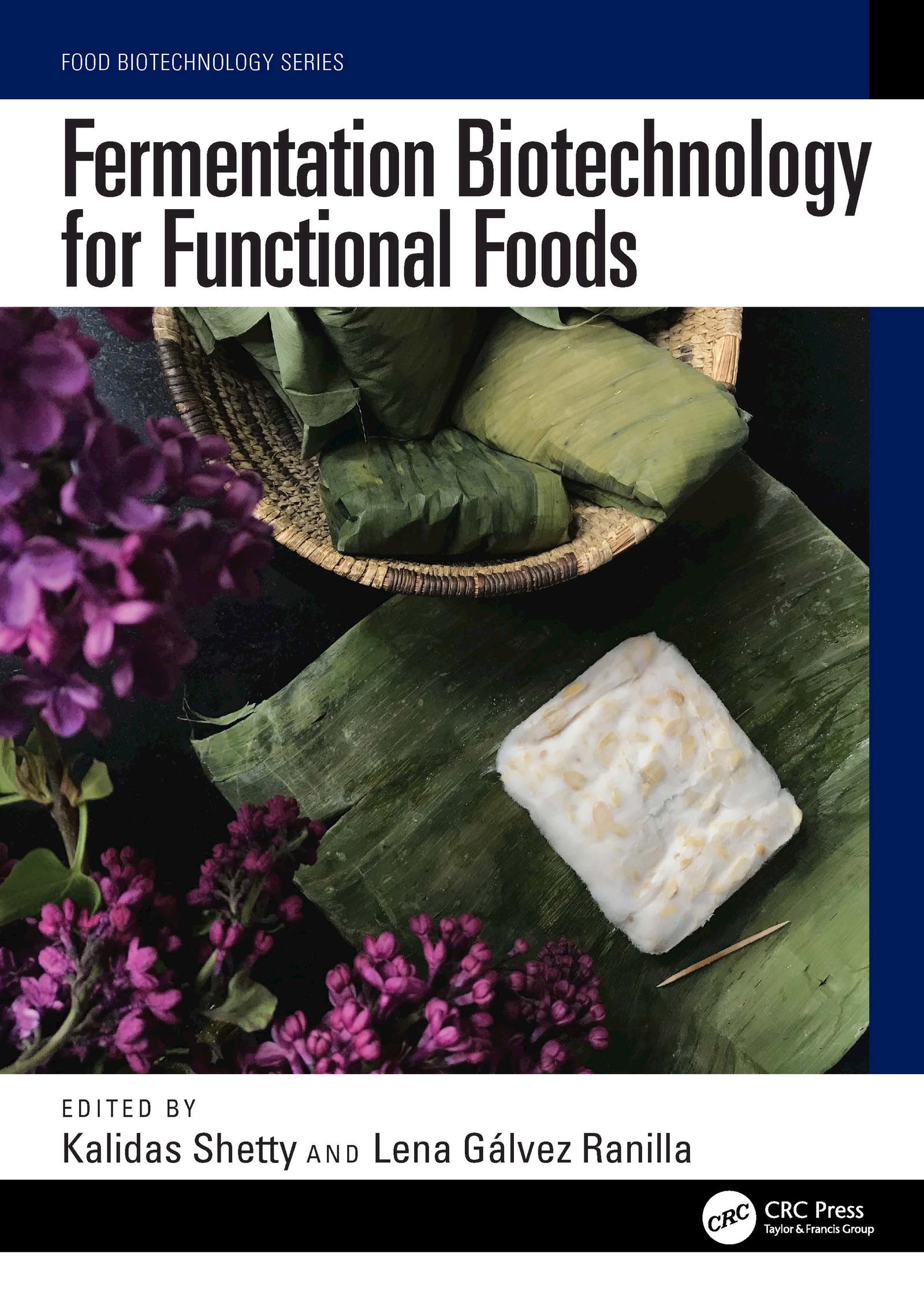
Fermentation-based processing advanced with global food systems as humanity started to organize the domestication of agriculture from plant and animal sources. These advances emerged across regions of the world from river valley civilizations in Asia (Mesopotamia, India and China) and Africa (Egypt) to Meso-American civilizations. As food crops and animal foods emerged from domestication to advancements in post-harvest processing stages, growth of invisible microbial systems led to modified foods that aligned with local palates of the communities. This in several cases became part of food systems, as it added a mode of preservation and improved the food quality that was preferred by each community. This is how the early genesis of fermented foods from grains, fruits and vegetables to animal meats and milk products became an integral part of early civilizations over 4000 years ago and has now carried over and further developed across many countries in every region of the world. The foundations of these food fermentations are now an integral part of modern food advances as preferred food substrates and the microbial interactions that drive the metabolic processes in defined food matrixes are being scientifically advanced.
This book focuses on bringing together diverse emergences and advancements of fermented foods across different regions of the world and how the metabolic processes associated with fermentation in several cases add health-relevant functional qualities across different food matrixes. This book contains 26 chapters from the Americas, Africa, Europe and Asia, bringing together the fermentation processes of diverse food substrates and their microbial processing and in several cases providing health-targeted functional benefits.
Key Features:
- Discusses the rationale and basis of fermented food systems from across 26 diverse regions of the world with examples from the Americas, Asia, Europe and Africa
- Presents historical plant and animal food substrates and the metabolic processes of their fermentation across traditions of a range of countries
- Covers traditional food fermentations across diverse food substrates that have potentially health-relevant functional benefits
- Reflects and presents the role of historical, cultural and traditional food concepts of a diverse range of countries with many novel examples and how they have influenced health-relevant functional benefits
- Discusses the relevance of metabolic concepts of fermented and functional foods in advancing healthy food concepts
This book is important for food scientists, nutritionists and the health care sector, but beyond this, it is also relevant for a wider global audience interested in a holistic health approach from food systems where examples of fermentation experience can inform new natural processing strategies to improve food quality and health.
Zahle einfach mit Karte, Klarna, Apple Pay oder Google Pay. Nicht zufrieden? Du hast immer ein 14-tägiges Widerrufsrecht. Lies mehr in unseren AGB. Hast du Fragen, schreib uns eine E-Mail an hello@memmo.org.
Memmo macht das Lernen einfacher – wo auch immer du bist. Bei uns findest du deine Kursbücher und smarte Lerntools an einem Ort: Zusammenfassungen, Quizzes, Podcasts und Lernkarten. Und Ted, dein Lernbuddy, beantwortet alles, was du wissen möchtest. Über 50.000 Studierende lernen bereits hier – gemacht, damit du schneller lernst und weniger Stress hast.