
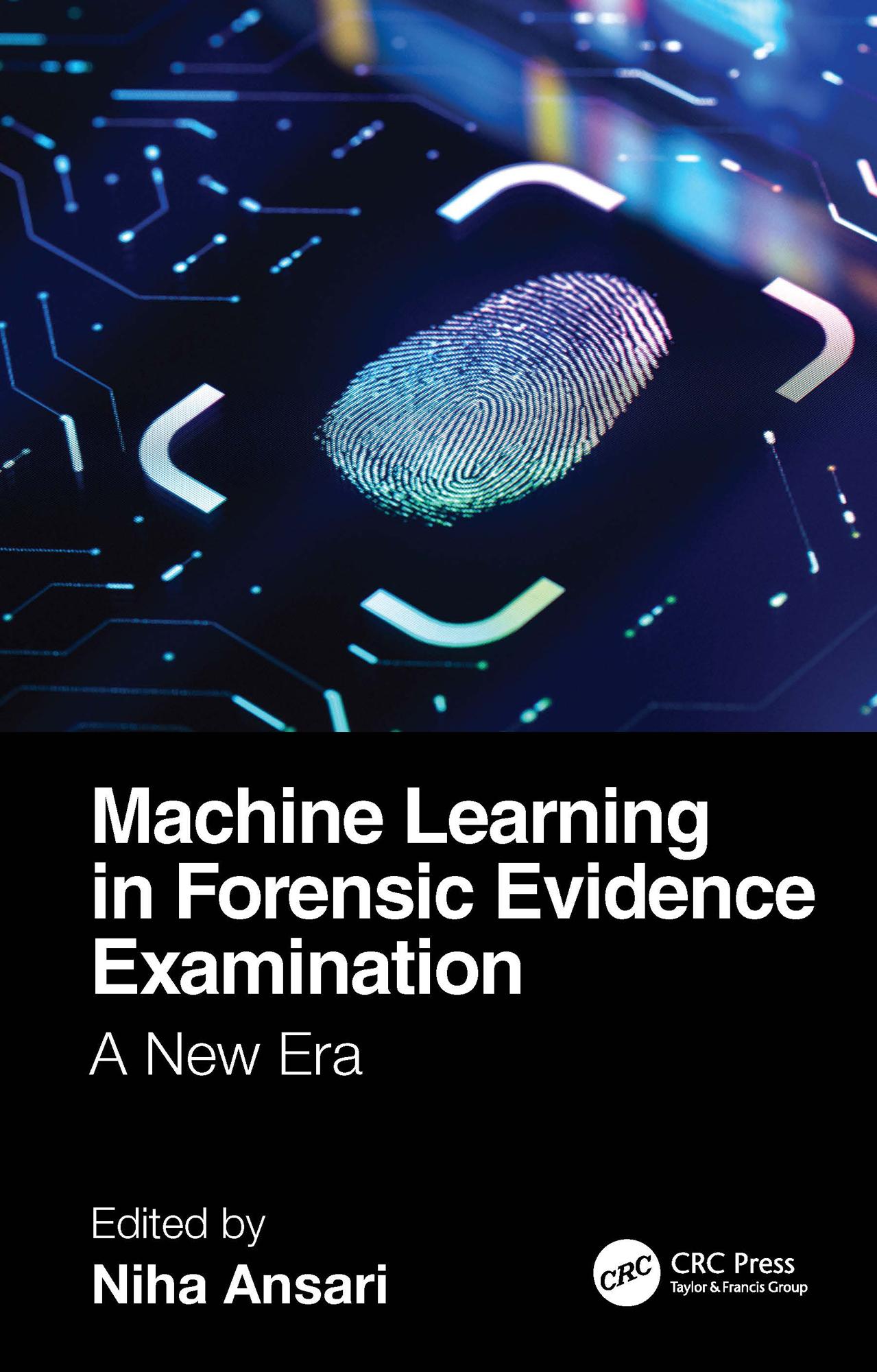
The availability of machine-learning algorithms, and the immense computational power required to develop robust models with high accuracy, has driven researchers to conduct extensive studies in forensic science, particularly in the identification and examination of evidence found at crime scenes. Machine Learning in Forensic Evidence Examination discusses methodologies for the application of machine learning to the field of forensic science.
Evidence analysis is the cornerstone of forensic investigations, examined for either classification or individualization based on distinct characteristics. Artificial intelligence offers a powerful advantage by efficiently processing large datasets with multiple features, enhancing accuracy and speed in forensic analysis to potentially mitigate human errors. Algorithms have the potential to identify patterns and features in evidence such as firearms, explosives, trace evidence, narcotics, body fluids, etc. and catalogue them in various databases. Additionally, they can be useful in the reconstruction and detection of complex events, such as accidents and crimes, both during and after the event. This book provides readers with consolidated research data on the potential applications and use of machine learning for analyzing various types of evidence. Chapters focus on different methodologies of machine learning applied in different domains of forensic sciences such as biology, serology, physical sciences, fingerprints, trace evidence, ballistics, anthropology, odontology, digital forensics, chemistry and toxicology, as well as the potential use of big data analytics in forensics. Exploring recent advancements in machine learning, coverage also addresses the challenges faced by experts during routine examinations and how machine learning can help overcome these challenges.
Machine Learning in Forensic Evidence Examination is a valuable resource for academics, forensic scientists, legal professionals and those working on investigations and analysis within law enforcement agencies.
Zahle einfach mit Karte, Klarna, Apple Pay oder Google Pay. Nicht zufrieden? Du hast immer ein 14-tägiges Widerrufsrecht. Lies mehr in unseren AGB. Hast du Fragen, schreib uns eine E-Mail an hello@memmo.org.
Memmo macht das Lernen einfacher – wo auch immer du bist. Bei uns findest du deine Kursbücher und smarte Lerntools an einem Ort: Zusammenfassungen, Quizzes, Podcasts und Lernkarten. Und Ted, dein Lernbuddy, beantwortet alles, was du wissen möchtest. Über 50.000 Studierende lernen bereits hier – gemacht, damit du schneller lernst und weniger Stress hast.