
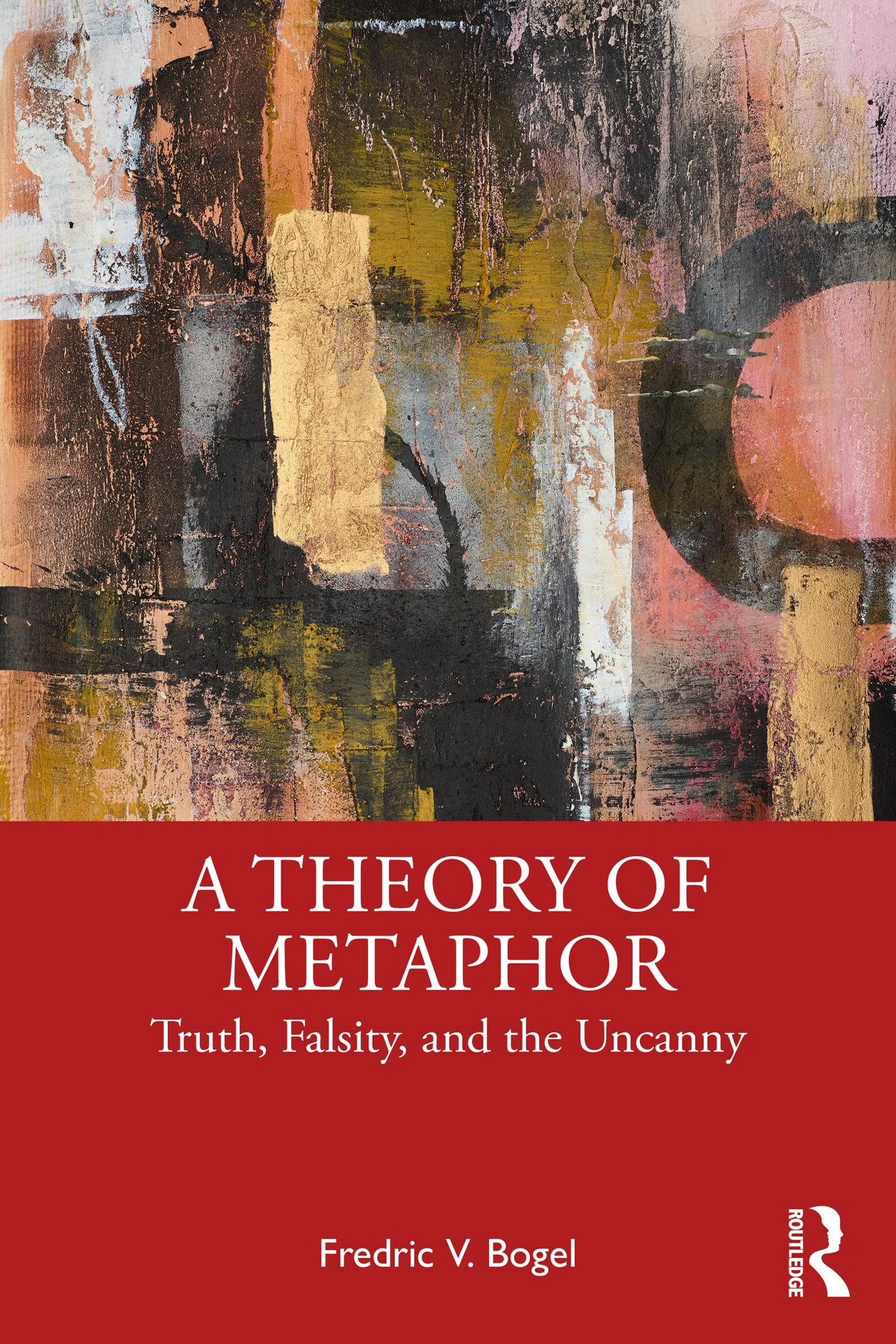
A Theory of Metaphor: Truth, Falsity, and the Uncanny is a strikingly original analysis of metaphor. Scholarly and imaginative, this sophisticated theory builds on a simple definition: metaphors are not comparisons but statements of identity (A is B), statements simultaneously true and false.
Bogel explores a broad range of literary theory and philosophy: from Aristotle to Žižek, Augustine to Wittgenstein, Richards to Ricoeur and Blumenberg. The book analyzes a wide variety of literary and non-literary texts, including popular forms such as graveyard epitaphs, sermons, cartoons (Garry Trudeau's Doonesbury), and a haunting episode of Star Trek: The Next Generation. It extends the central concept of truth and falsity to the reader's encounter with metaphor, figural interpretation of scripture, entire poems as metaphors, the aesthetics of obliquity and textual impurity, and Freudian psychoanalysis—in particular, links between metaphor and the uncanny.
This rigorously and eloquently argued book will be invaluable to students of metaphor across such fields as literary criticism and theory, philosophy, linguistics, rhetoric, psychoanalysis, and media studies. Its arguments are enriched by numerous concrete examples and analyses that bring theory to life and help to reach beyond an academic audience. Bogel's ground-breaking study takes our understanding of metaphor in new and important directions.
Zahle einfach mit Karte, Klarna, Apple Pay oder Google Pay. Nicht zufrieden? Du hast immer ein 14-tägiges Widerrufsrecht. Lies mehr in unseren AGB. Hast du Fragen, schreib uns eine E-Mail an hello@memmo.org.
Memmo macht das Lernen einfacher – wo auch immer du bist. Bei uns findest du deine Kursbücher und smarte Lerntools an einem Ort: Zusammenfassungen, Quizzes, Podcasts und Lernkarten. Und Ted, dein Lernbuddy, beantwortet alles, was du wissen möchtest. Über 50.000 Studierende lernen bereits hier – gemacht, damit du schneller lernst und weniger Stress hast.