
‘Crucially, this book bridges a gap in our understanding of how different societal sectors can be united to define roles, identify shared interests and devise strategies that complement progress towards more sustainable material use.This message will be of particular interest to the chemical industry as it seeksnew pathways towards a cyclical economy.’
– Dr Simon Vandestadt, Director, Senior Executive and Researcher, Specialist in peace, conflict and sustainability, Pacific and Papua New Guinea
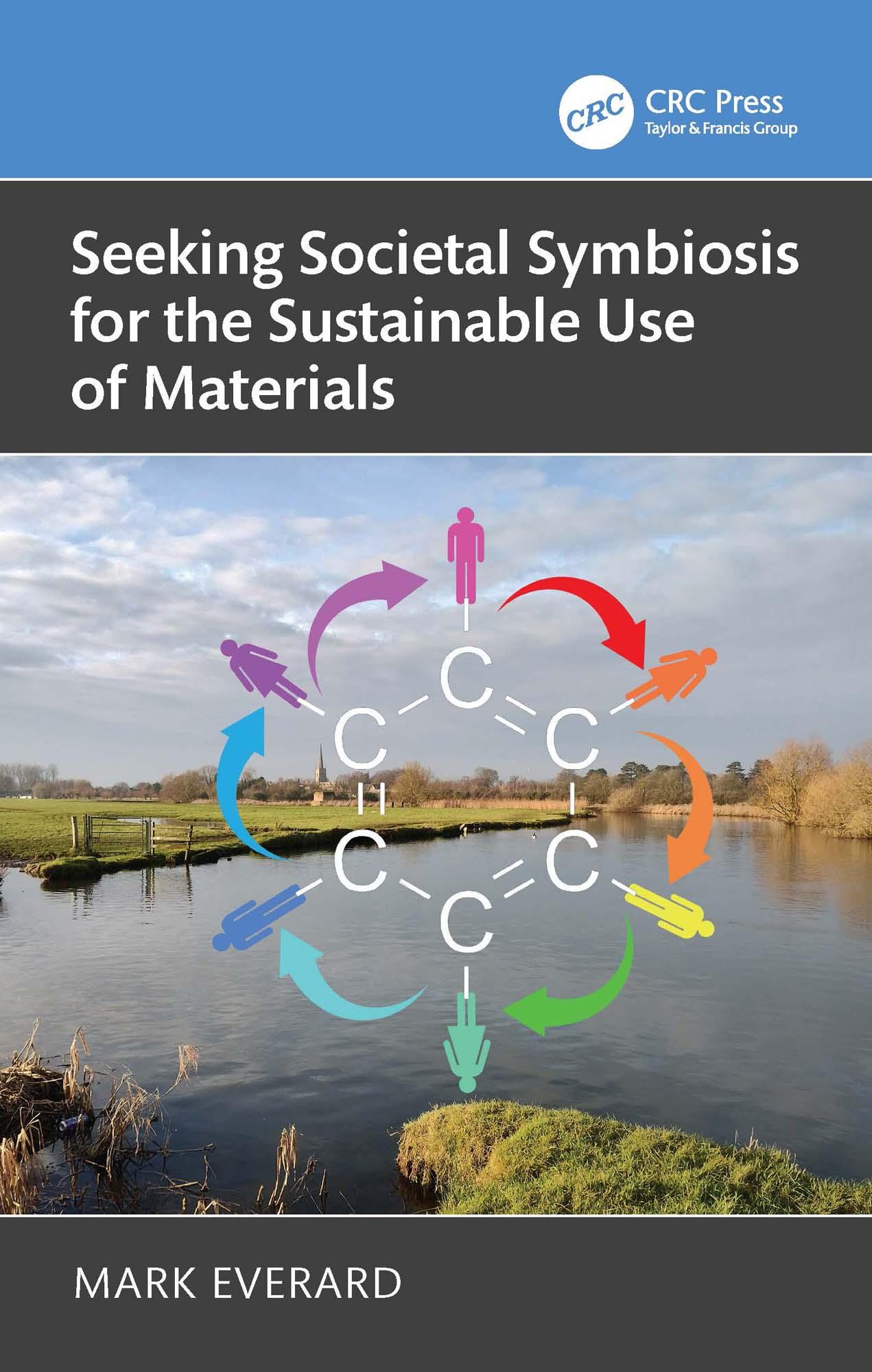
We live in a material world – one with a rising population dependent upon a base of natural resources that is already seriously depleted and declining rapidly. This book considers the societal use of materials: historically, in the less-than-optimal present and aspirationally as a central thread in addressing wider sustainable development challenges. It accounts for linked chemical, physical and socio-economic consequences right through value chains, from raw material extraction through manufacture and use and onwards to post-use.
The author, Mark Everard, proposes that the four principal societal sectors – business, government, civil society organisations and knowledge-providers – though often currently dissipating effort by working antagonistically, can optimally work symbiotically around co-created and consensual long-term sustainability goals to accelerate necessary progress. Practical examples of ‘baby steps’ towards constructive collaboration within and between societal sectors are recognised, and lessons are drawn for how they can shape more committed and intentional collaboration for sustainable development.
Seeking Societal Symbiosis touches upon many aspects of science – from chemistry, chemical engineering and material science, through to construction/built environment, sustainability, regulatory science, resources economics and social science. It will be valuable reading for industry managers and executives, the European Commission and MEPs, other national regulators and legislators, university students and lecturers, and NGOs.
Zahle einfach mit Karte, Klarna, Apple Pay oder Google Pay. Nicht zufrieden? Du hast immer ein 14-tägiges Widerrufsrecht. Lies mehr in unseren AGB. Hast du Fragen, schreib uns eine E-Mail an hello@memmo.org.
Memmo macht das Lernen einfacher – wo auch immer du bist. Bei uns findest du deine Kursbücher und smarte Lerntools an einem Ort: Zusammenfassungen, Quizzes, Podcasts und Lernkarten. Und Ted, dein Lernbuddy, beantwortet alles, was du wissen möchtest. Über 50.000 Studierende lernen bereits hier – gemacht, damit du schneller lernst und weniger Stress hast.