
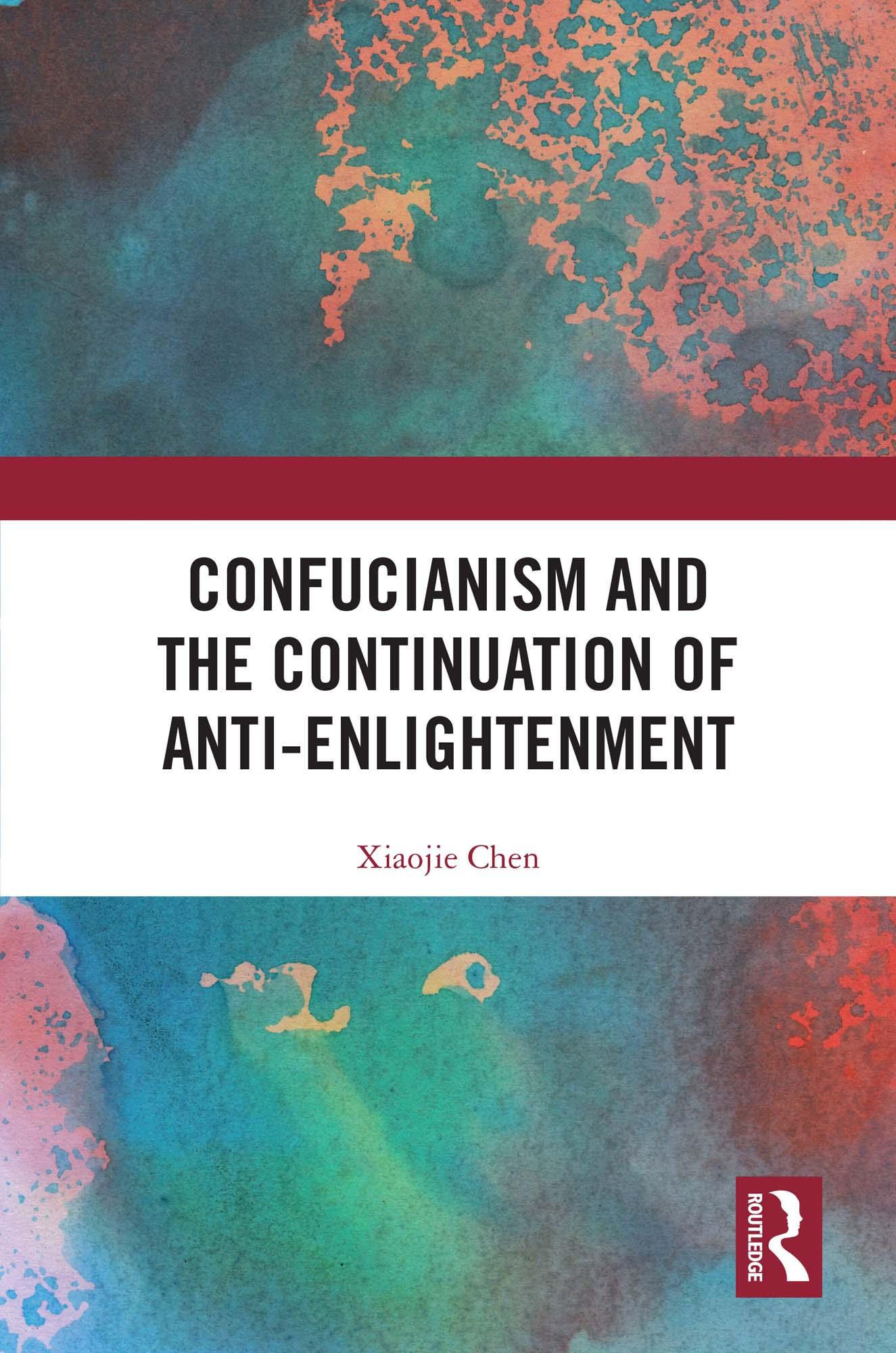
In 18th-century Europe, before the “Counter-Enlightenment,” two coexisting perspectives emerged within the Enlightenment: the first was the belief that humans were endowed with the capacity to think independently, which led to the possibility of egalitarianism; the second was the restriction of the faculty’s scope of application, which argued that the people must rely on intellectuals as their new shepherds. The latter is “Anti-Enlightenment” and anti-egalitarian.
This book argues that Neo-Confucianism showed these two Enlightenment trends after the 11th century. The imperial examination reform allowed commoners to rise to the bureaucratic elite, thereby achieving top-down “Enlightenment”. Despite the emerging elite’s claims of caring for the people, this benevolence does not expect the people to become self-sufficient adults, which brings up this book’s second theme of comparing French Revolution “Fraternity” with Confucian “Benevolence.”
Taking “Enlightenment” and “Fraternity” as clues, the author analyses the intellectual history in four countries (China, Japan, Germany, and France), revealing not only the inherent “Anti-Enlightenment” mentality within the European Enlightenment, but also the process of “Enlightenment” commenced as early as the 11th century in China.
This book will appeal to scholars of Enlightenment, intellectual history, and comparative study of East-West thought.
Zahle einfach mit Karte, Klarna, Apple Pay oder Google Pay. Nicht zufrieden? Du hast immer ein 14-tägiges Widerrufsrecht. Lies mehr in unseren AGB. Hast du Fragen, schreib uns eine E-Mail an hello@memmo.org.
Memmo macht das Lernen einfacher – wo auch immer du bist. Bei uns findest du deine Kursbücher und smarte Lerntools an einem Ort: Zusammenfassungen, Quizzes, Podcasts und Lernkarten. Und Ted, dein Lernbuddy, beantwortet alles, was du wissen möchtest. Über 50.000 Studierende lernen bereits hier – gemacht, damit du schneller lernst und weniger Stress hast.