
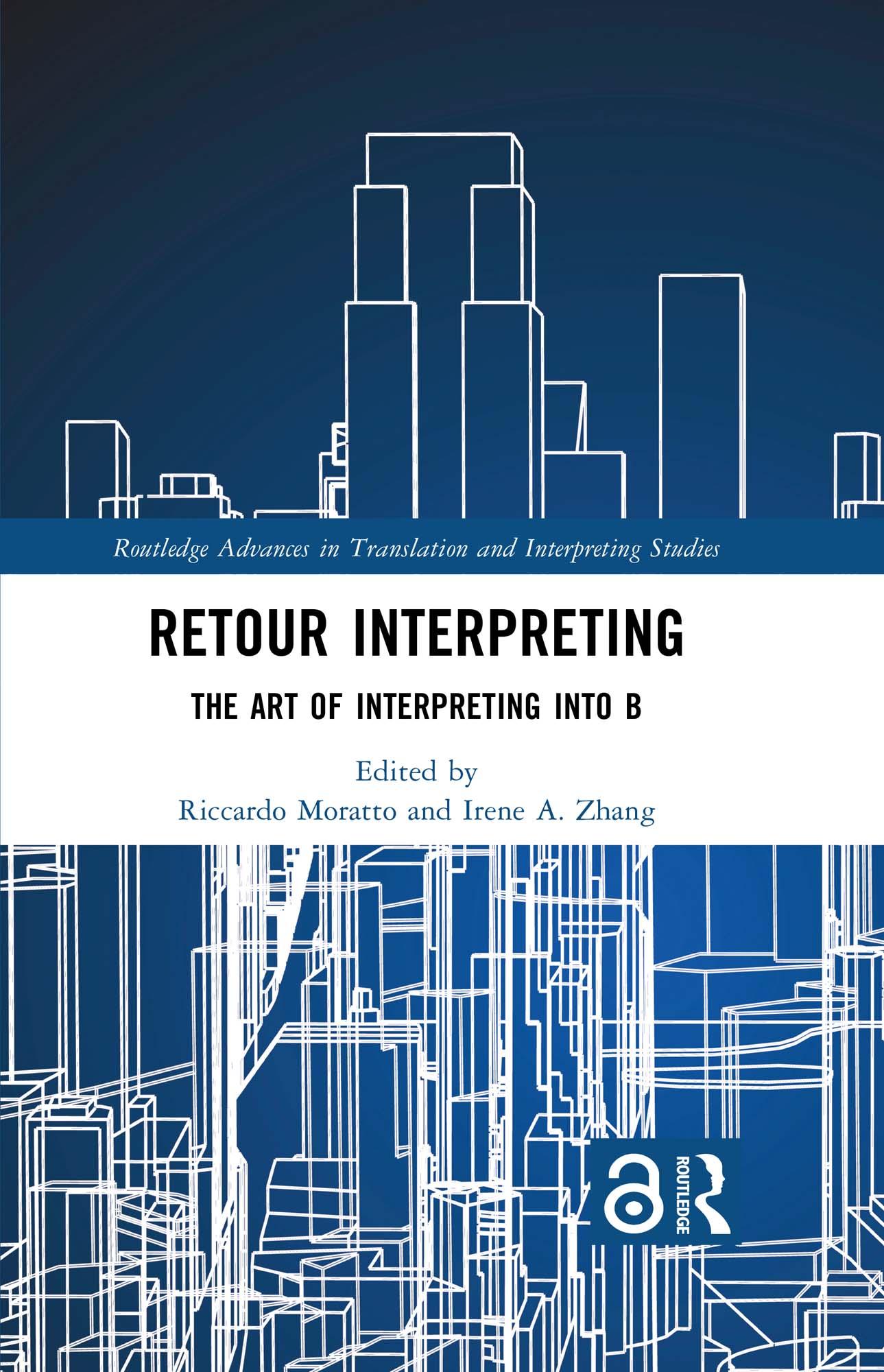
This book is a vital addition to the interpreting field, focusing on retour interpreting—interpreting from one’s native language (A) into a second language (B). This practice, once viewed as secondary, has become indispensable in today’s multilingual and multicultural contexts.
As interpreters increasingly handle diverse language pairs and rising standards for bilingual communication, retour interpreting plays a critical role in bridging linguistic gaps. This book features contributions from leading experts who explore retour interpreting from theoretical, pedagogical, and practical perspectives. It examines the linguistic and cognitive challenges unique to interpreting into a non-native language, while also addressing the complex factors influencing effective B-language output. By highlighting the growing need for skilled retour interpreters, especially in multilingual institutions and post-colonial settings where former colonial languages often dominate, this book aligns itself with current professional demands. With eleven chapters, the book provides comprehensive insights into retour interpreting across different languages, contexts, and career stages.
It is an essential resource for interpreters, trainers, and researchers, offering practical strategies and critical perspectives. By addressing a historically underexplored area, this work fills a significant gap, reinforcing the importance of retour interpreting in today's globalized world.
Zahle einfach mit Karte, Klarna, Apple Pay oder Google Pay. Nicht zufrieden? Du hast immer ein 14-tägiges Widerrufsrecht. Lies mehr in unseren AGB. Hast du Fragen, schreib uns eine E-Mail an hello@memmo.org.
Memmo macht das Lernen einfacher – wo auch immer du bist. Bei uns findest du deine Kursbücher und smarte Lerntools an einem Ort: Zusammenfassungen, Quizzes, Podcasts und Lernkarten. Und Ted, dein Lernbuddy, beantwortet alles, was du wissen möchtest. Über 50.000 Studierende lernen bereits hier – gemacht, damit du schneller lernst und weniger Stress hast.