
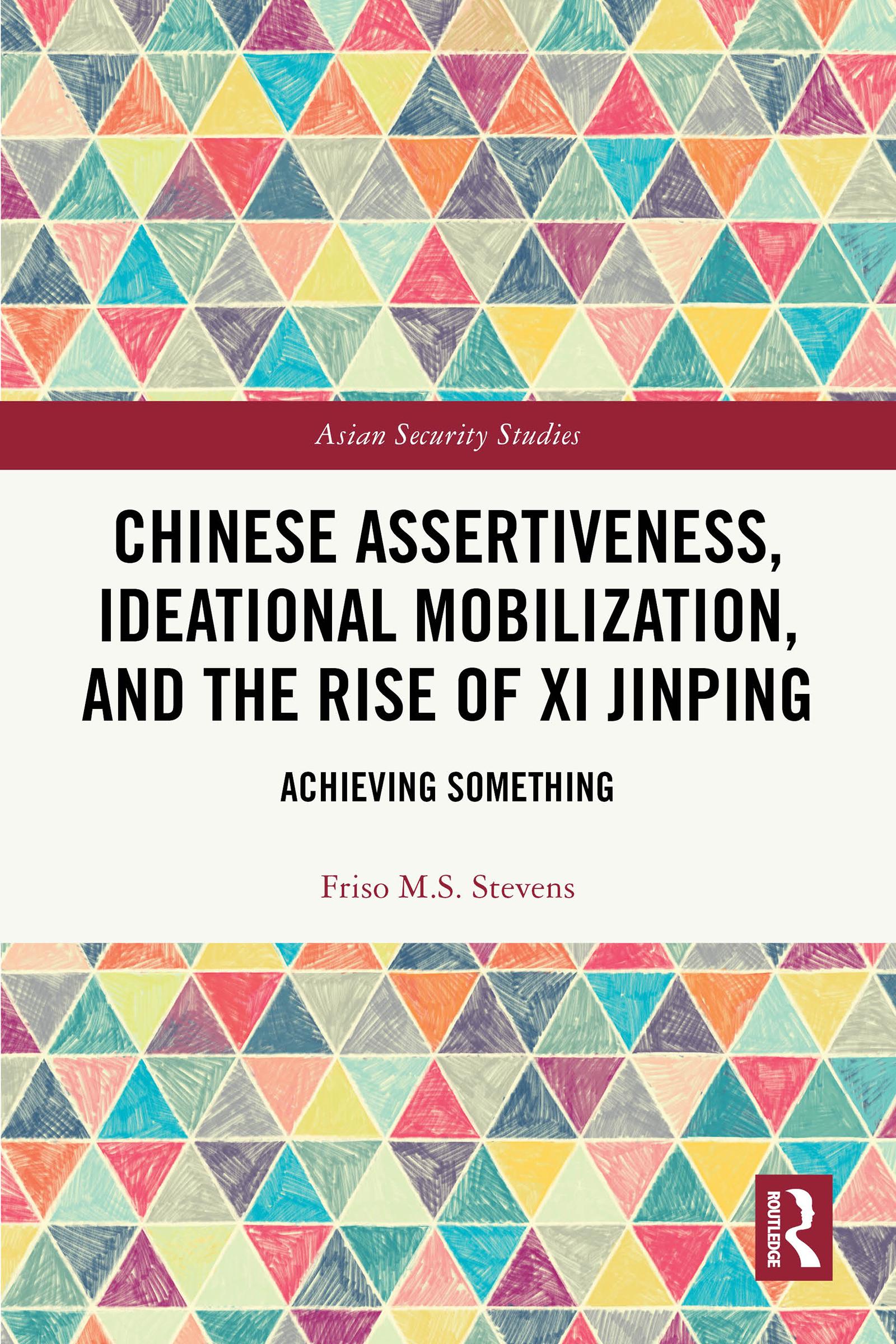
This book examines the historical, domestic, and leadership drivers behind the repositioning of China toward center stage after 2008.
In the years of global turmoil that followed the 2008 global financial crisis, China’s foreign policy of the late Hu Jintao years came to be viewed in Western discourse as increasingly "assertive." Displaying a certain cognitive dissonance, China, however, vehemently rejects this viewpoint. Especially after Xi Jinping rose to power in 2012, it is clear that China has abandoned its long-held foreign policy doctrine of "keeping a low profile." Analyzing how language has been produced and reproduced over time, this book explains the shift to a more assertive China by examining the intervening ideas about China’s desired place in East Asia’s regional order. The Chinese Communist Party propaganda offers compelling evidence that there is much greater continuity between the Hu and Xi eras than is exhibited in the current literature. Moreover, the book traces the deeper ideational sources of Chinese assertiveness back to the New Left movement and the Patriotic Education Campaign of the 1990s. Agency for the turn in the late 2000s and the selection of the compromise candidate Xi is attributed to the choices past leaders made, with some Party elders "ruling from behind the curtain."
This book will be of much interest to students of Chinese politics and foreign policy, East Asian International Relations, and Security Studies.
Zahle einfach mit Karte, Klarna, Apple Pay oder Google Pay. Nicht zufrieden? Du hast immer ein 14-tägiges Widerrufsrecht. Lies mehr in unseren AGB. Hast du Fragen, schreib uns eine E-Mail an hello@memmo.org.
Memmo macht das Lernen einfacher – wo auch immer du bist. Bei uns findest du deine Kursbücher und smarte Lerntools an einem Ort: Zusammenfassungen, Quizzes, Podcasts und Lernkarten. Und Ted, dein Lernbuddy, beantwortet alles, was du wissen möchtest. Über 50.000 Studierende lernen bereits hier – gemacht, damit du schneller lernst und weniger Stress hast.