
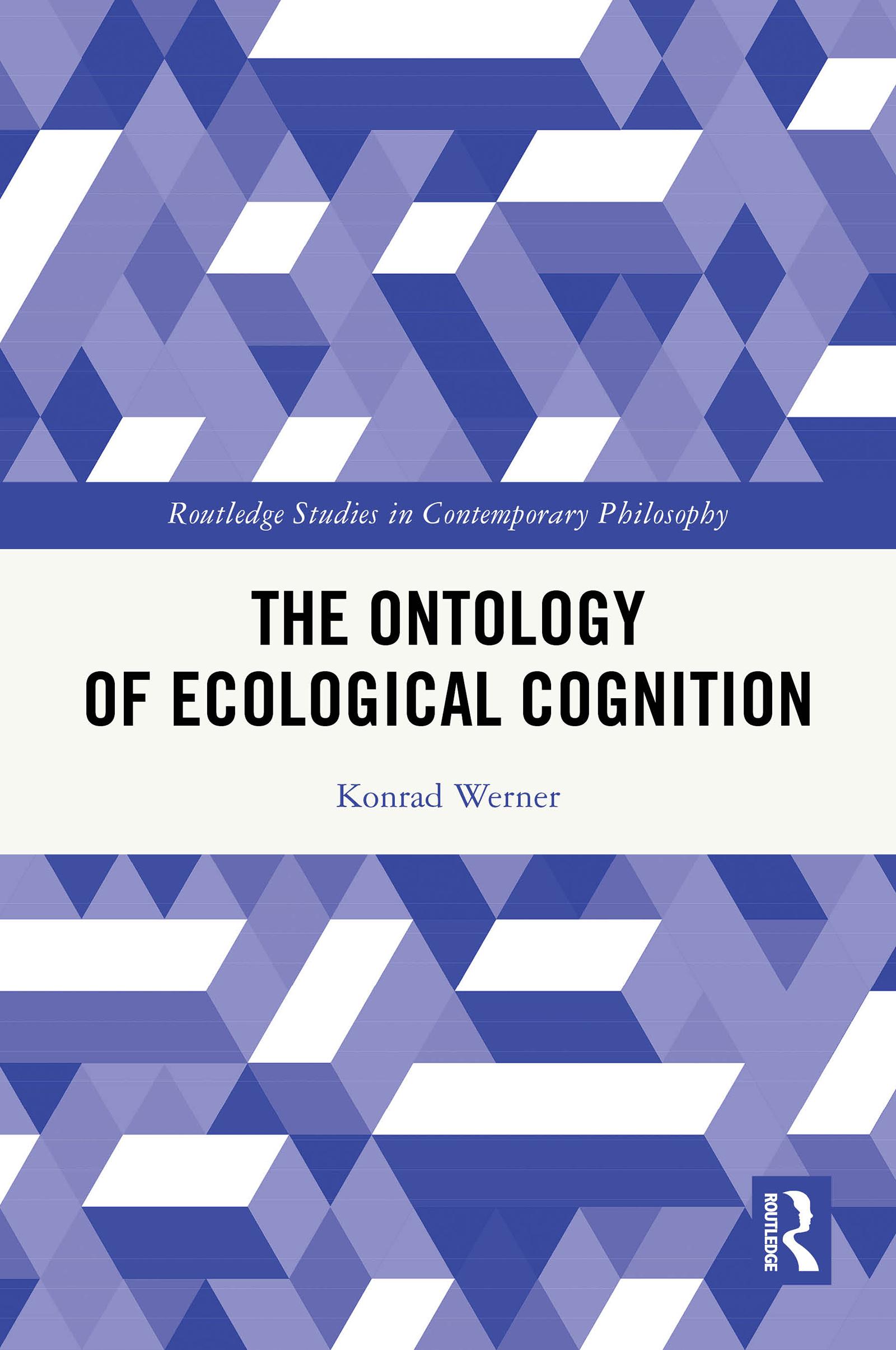
This book provides the first explicit examination of the underlying ontology of the ecological/embodied cognition philosophical project. More specifically, it examines the locative concepts used by defenders of representationalism and the more environmentally oriented, ecological/embodied views on cognition.
The book’s main argument is that ecological/embodied cognition is embedded in various philosophical traditions. It establishes that there is a lack of clarity in how we conceptualize locative relations in contexts having to do with cognition. The book tackles questions of what it means that internal representations are internal, that the external world is external, that the extended mind is extended, how we should understand the claim that cognition and consciousness are in the head, or, alternatively, in the environment. Additionally, it addresses what it means that cognition enacts an environment, which is likely the most controversial claim made in some branches of embodied cognition. The goal of the book is to capture the essential traits of cognition thought of as an ecological phenomenon – as a factor determining a specific locus – and thereby elicit how cognition takes part in the creation of the world as we know it.
The Ontology of Ecological Cognition will appeal to scholars and graduate students working in philosophy of mind, cognitive science and metaphysics.
Zahle einfach mit Karte, Klarna, Apple Pay oder Google Pay. Nicht zufrieden? Du hast immer ein 14-tägiges Widerrufsrecht. Lies mehr in unseren AGB. Hast du Fragen, schreib uns eine E-Mail an hello@memmo.org.
Memmo macht das Lernen einfacher – wo auch immer du bist. Bei uns findest du deine Kursbücher und smarte Lerntools an einem Ort: Zusammenfassungen, Quizzes, Podcasts und Lernkarten. Und Ted, dein Lernbuddy, beantwortet alles, was du wissen möchtest. Über 50.000 Studierende lernen bereits hier – gemacht, damit du schneller lernst und weniger Stress hast.