
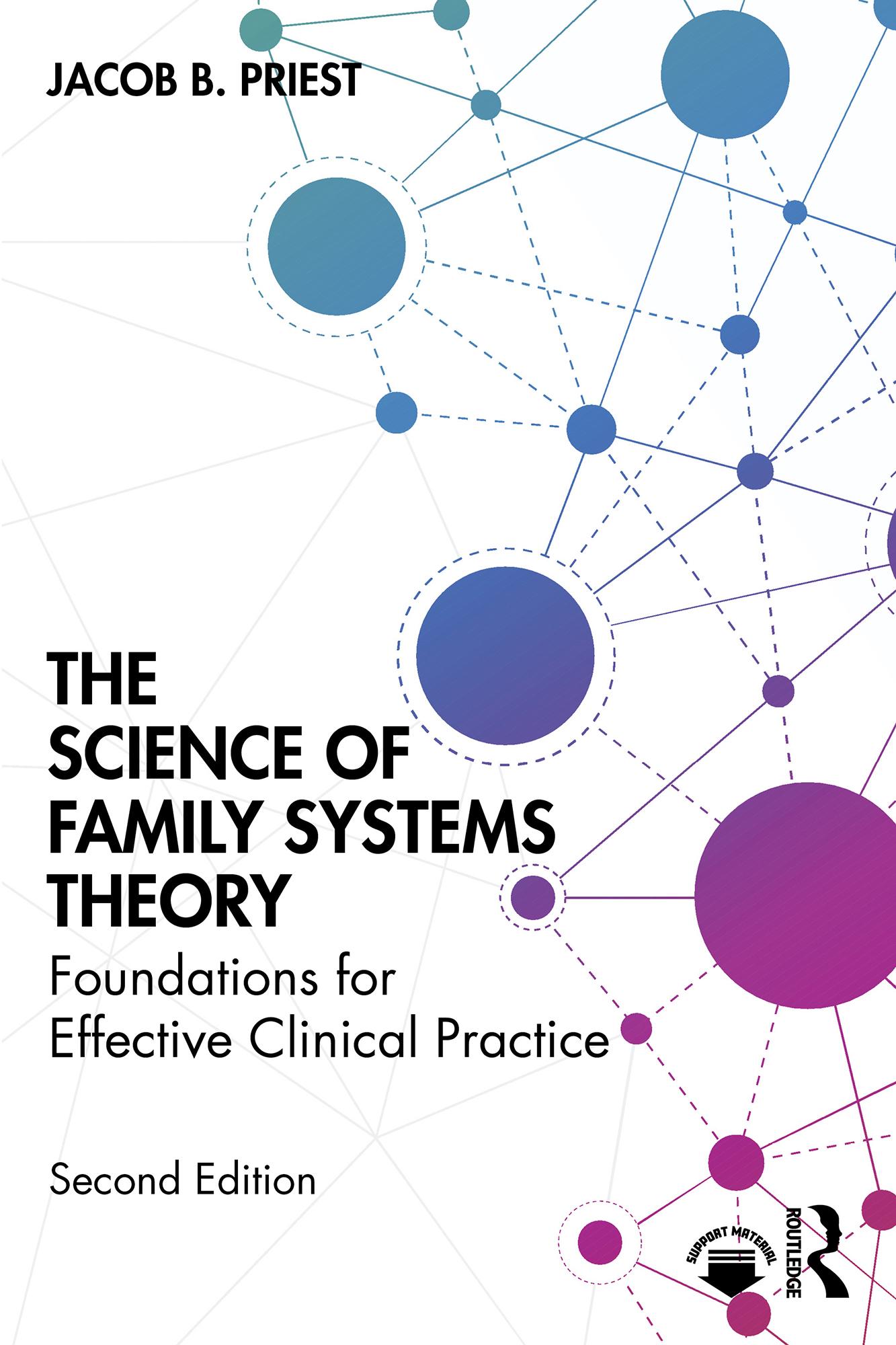
This fully updated, accessible text examines how the science of autonomy and adaptation informs all family therapy approaches and discusses how clinicians can use this science to improve their practice.
Focusing on how to integrate science as well as theory into clinical practice, the book provides an overview of science from multiple domains and ties it to family systems theory through the key framework of autonomy and adaptation. Drawing on research from genetics, physiology, emotion regulation, attachment, and triangulation, chapters demonstrate how a comprehensive science-informed theory of family systems can be applied to a range of problematic family patterns. The text also explores self-of-the-therapist work and considers how autonomy and attachment are connected to systems of power, privilege, and oppression. New to this edition are two chapters on common presenting problems in family therapy and how they can be understood through a family systems lens, as well as discussion questions and added online instructor materials.
Supported throughout by practical case examples, as well as questions for consideration, chapter summaries, and resource lists to further engage the reader, The Science of Family Systems Theory is an essential textbook for marriage and family therapy students as well as mental health professionals working with families.
Zahle einfach mit Karte, Klarna, Apple Pay oder Google Pay. Nicht zufrieden? Du hast immer ein 14-tägiges Widerrufsrecht. Lies mehr in unseren AGB. Hast du Fragen, schreib uns eine E-Mail an hello@memmo.org.
Memmo macht das Lernen einfacher – wo auch immer du bist. Bei uns findest du deine Kursbücher und smarte Lerntools an einem Ort: Zusammenfassungen, Quizzes, Podcasts und Lernkarten. Und Ted, dein Lernbuddy, beantwortet alles, was du wissen möchtest. Über 50.000 Studierende lernen bereits hier – gemacht, damit du schneller lernst und weniger Stress hast.