
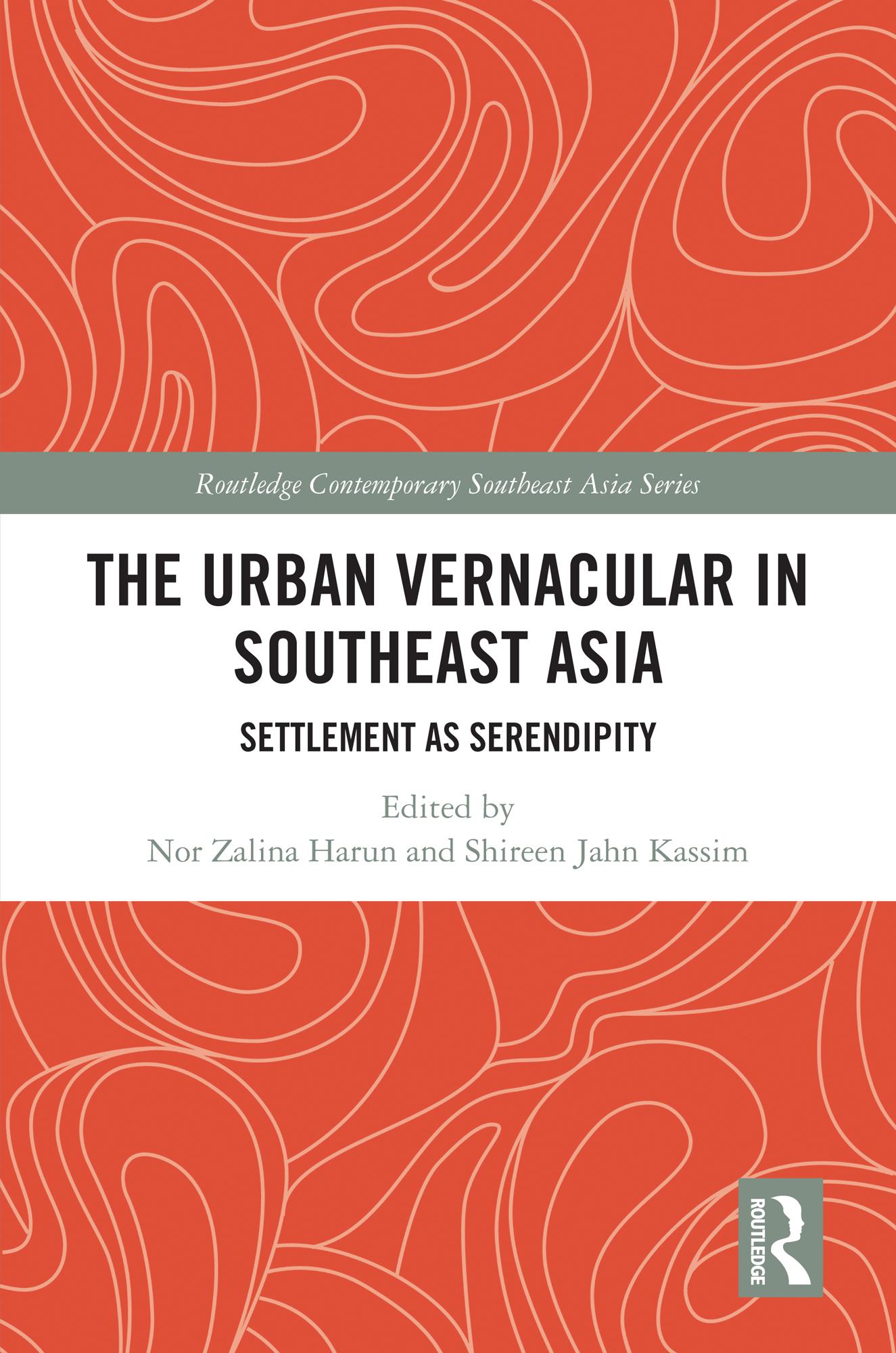
This book constructs a number of discourses, dialectics and analyses across the disciplines of urban form, architecture and urban experience, thus incorporating both conservation and design issues.
It bridges the gap between practice and theory by reconstructing the role of the “village” or “vernacular” in the discourses and trends of the twenty-first century post-Covid19 environment. Bringing together for the first time the confluences of theory and practice in the “urban vernacular” and the “urban village,” the contributors use vernacular concepts and settings as a common framework serving as cultural bridges, connecting traditional forms, ecologies and habitats to new global ideas, industrial economies and access to developing urban sustainability, design, planning and services in Asia's rising megacities. The book begins with concerns of urban layout and morphology, aiming to establish discourse, shared principles and terminology around conventional ideas of the “village” or traditional settlements' apparently organic and disordered nature. It then moves into architectural dimensions, capturing formal cases of how the “vernacular” or traditional “indigenous” local concepts have inspired new ideas in award-winning architecture and hence the importance of re-examining the vernacular in light of the ongoing need to produce a more sustainable and place-conscious fit in modern architecture and urban planning.
The book will be of interest to researchers in the fields of architecture, urban planning and design, urban geography, design studies, landscape architecture, history of architecture/urbanism and Asian Studies, in particular those concerning Southeast Asia.
Zahle einfach mit Karte, Klarna, Apple Pay oder Google Pay. Nicht zufrieden? Du hast immer ein 14-tägiges Widerrufsrecht. Lies mehr in unseren AGB. Hast du Fragen, schreib uns eine E-Mail an hello@memmo.org.
Memmo macht das Lernen einfacher – wo auch immer du bist. Bei uns findest du deine Kursbücher und smarte Lerntools an einem Ort: Zusammenfassungen, Quizzes, Podcasts und Lernkarten. Und Ted, dein Lernbuddy, beantwortet alles, was du wissen möchtest. Über 50.000 Studierende lernen bereits hier – gemacht, damit du schneller lernst und weniger Stress hast.