
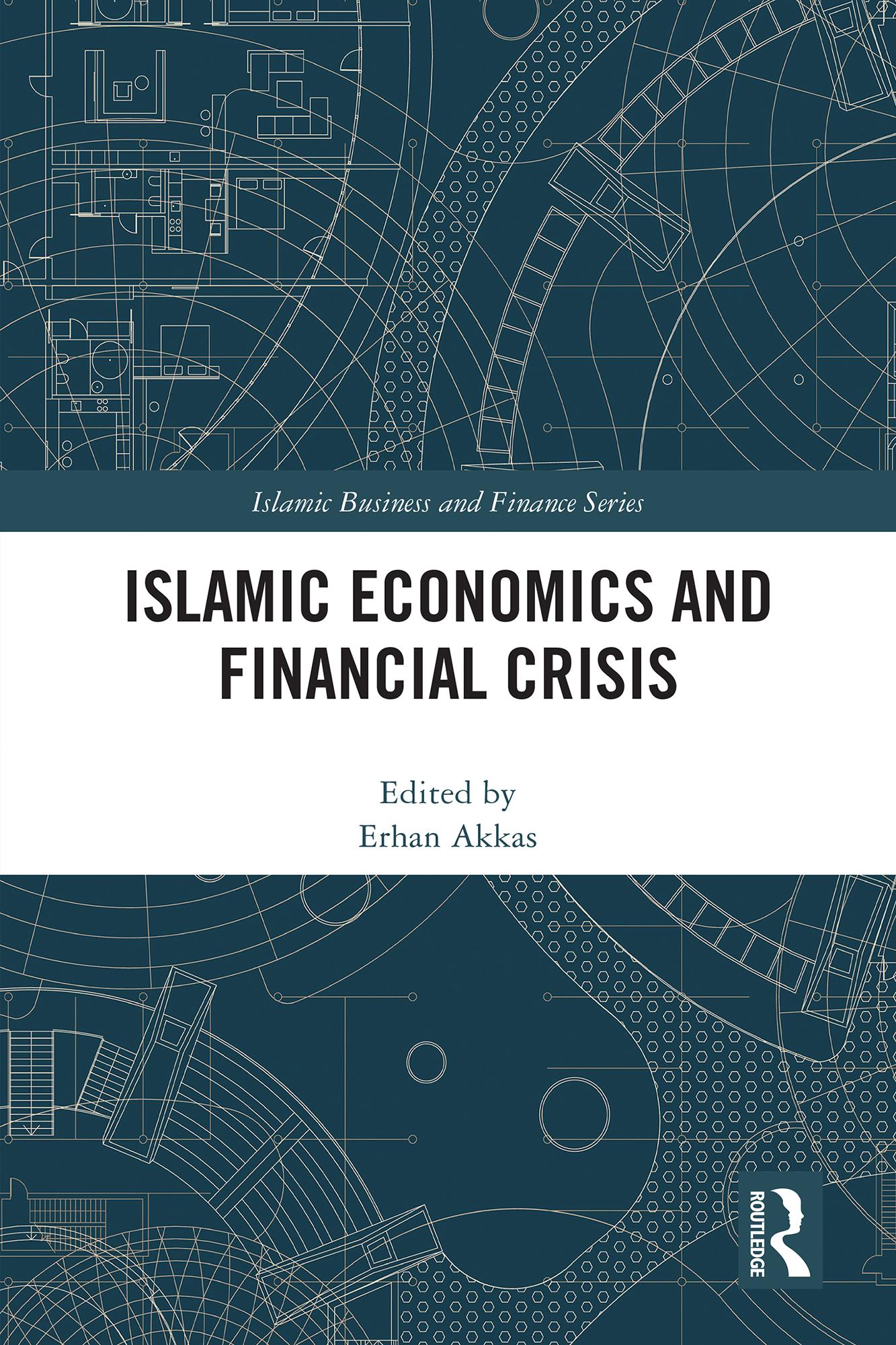
This book explores the causes of the current economic crisis, evaluates the foundational principles of capitalism that contribute to crises, and investigates how an Islamic economic and banking system could play a role in fostering global stability.
It includes theoretical and empirical analysis and assesses the resilience of the Islamic economic system and Islamic financial institutions in the face of economic and financial crises, with a particular focus on Organisation of Islamic Cooperation (OIC) member countries. Furthermore, the effects of these crises on income and wealth distribution are discussed. The book compares Islamic and conventional economics in response to economic crises, both across countries and financial institutions and provides a brief analysis of financial crises from a theoretical point of view, examining various approaches. It addresses the issue of the relevance of all these theories in relation to the present crisis and draws useful policy implications. Thereafter, it discusses how the Islamic financial system could serve to mitigate the occurrence of a financial crisis, since the prohibition of riba, maysir, and gharar transactions offers a solution to financial crisis from speculative bubbles and crash. It also discusses some of the challenges facing the Islamic finance industry.
This is a useful guide for researchers and advanced students of Islamic Economics and Finance.
Zahle einfach mit Karte, Klarna, Apple Pay oder Google Pay. Nicht zufrieden? Du hast immer ein 14-tägiges Widerrufsrecht. Lies mehr in unseren AGB. Hast du Fragen, schreib uns eine E-Mail an hello@memmo.org.
Memmo macht das Lernen einfacher – wo auch immer du bist. Bei uns findest du deine Kursbücher und smarte Lerntools an einem Ort: Zusammenfassungen, Quizzes, Podcasts und Lernkarten. Und Ted, dein Lernbuddy, beantwortet alles, was du wissen möchtest. Über 50.000 Studierende lernen bereits hier – gemacht, damit du schneller lernst und weniger Stress hast.