
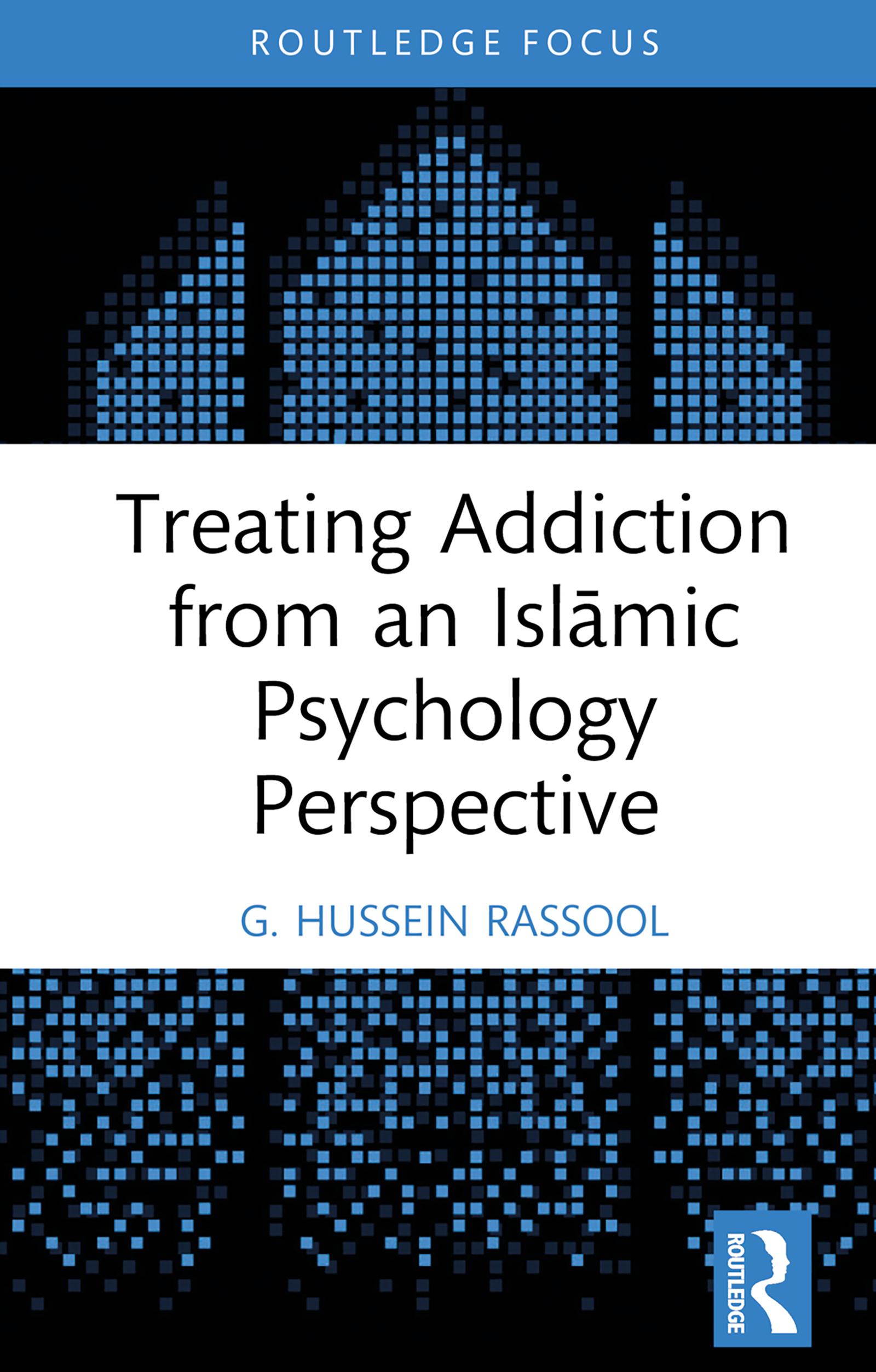
This book provides an understanding of behavioural and substance disorders from an Islāmic psychology perspective.
Despite the religious prohibitions against the use of most substances, addiction is a significant psychosocial and spiritual problem both in Muslim majority countries and among Muslim minorities. However, many Muslim with substance use disorder have been left to suffer in silence because addictive behaviours are considered taboo. Not only do feelings of guilt, shame, and a fear of being stigmatised and excluded from community prevent many from seeking therapeutic and spiritual interventions, there are also limited culturally sensitive service provisions offering help for Muslims with addictive behaviours. This book will synthesise the body of knowledge of the psychology of addiction from an Islāmic perspectives to foster awareness and understanding of addictive behaviours to break that stigma. It will also provide knowledge required to respond effectively to Muslim clients that psychotherapists and counsellors might encounter in their clinical practice, presenting a step-by-step application of Rassool’s Islāmic Psychotherapy Practice model in working with clients with addictive behaviours.
This book will be a valuable read for Islāmic psychologists, psychotherapists, and counsellors, addiction researchers and specialists, and students in these fields.
Zahle einfach mit Karte, Klarna, Apple Pay oder Google Pay. Nicht zufrieden? Du hast immer ein 14-tägiges Widerrufsrecht. Lies mehr in unseren AGB. Hast du Fragen, schreib uns eine E-Mail an hello@memmo.org.
Memmo macht das Lernen einfacher – wo auch immer du bist. Bei uns findest du deine Kursbücher und smarte Lerntools an einem Ort: Zusammenfassungen, Quizzes, Podcasts und Lernkarten. Und Ted, dein Lernbuddy, beantwortet alles, was du wissen möchtest. Über 50.000 Studierende lernen bereits hier – gemacht, damit du schneller lernst und weniger Stress hast.