
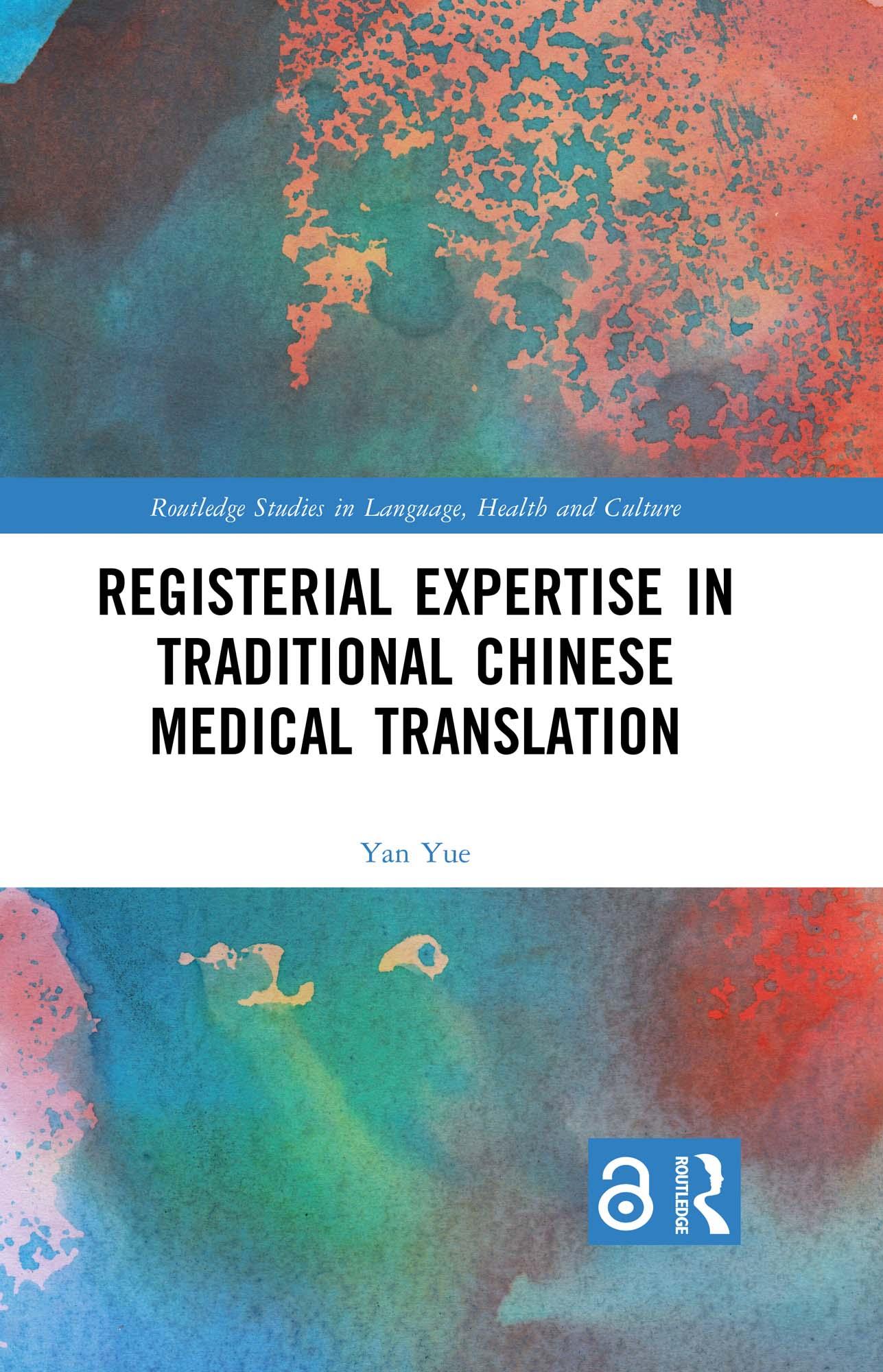
Yue’s book explores the nature of translation using traditional Chinese medicine (TCM) and the TCM classic Huangdi Neijing and its various translations. Yue examines in great detail and depth the important factors that cause the differences in the translators’ treatment of language indeterminacies.
Apart from having multi-faceted and fine-grained linguistic analysis, this book also serves as a good model of methodology, in terms of corpus building, contrastive analysis, exemplification, and glossing following systemic functional linguistics (SFL) convention. This book is an argument for greater emphasis on the linguistic notion of register in translator’s expertise, specifically in the way that professional experience and training – with their registerial demands – may be the key to semantic decisions forced on a translator by the inevitable vagaries and indeterminacies of establishing a working “equivalence” across languages and cultures and deep time. It probes the issue in an extreme case: the debate over who is the “ideal” translator in Chinese medicine translation through various case studies. The result suggests it is possible to demonstrate, empirically, that clinical experience in translators is likely to have consistent, or even measurable, consequences.
This book will be of interest to three different fields: translators in training, applicable systemic functional linguistics, and traditional Chinese medicine communication.
Zahle einfach mit Karte, Klarna, Apple Pay oder Google Pay. Nicht zufrieden? Du hast immer ein 14-tägiges Widerrufsrecht. Lies mehr in unseren AGB. Hast du Fragen, schreib uns eine E-Mail an hello@memmo.org.
Memmo macht das Lernen einfacher – wo auch immer du bist. Bei uns findest du deine Kursbücher und smarte Lerntools an einem Ort: Zusammenfassungen, Quizzes, Podcasts und Lernkarten. Und Ted, dein Lernbuddy, beantwortet alles, was du wissen möchtest. Über 50.000 Studierende lernen bereits hier – gemacht, damit du schneller lernst und weniger Stress hast.