
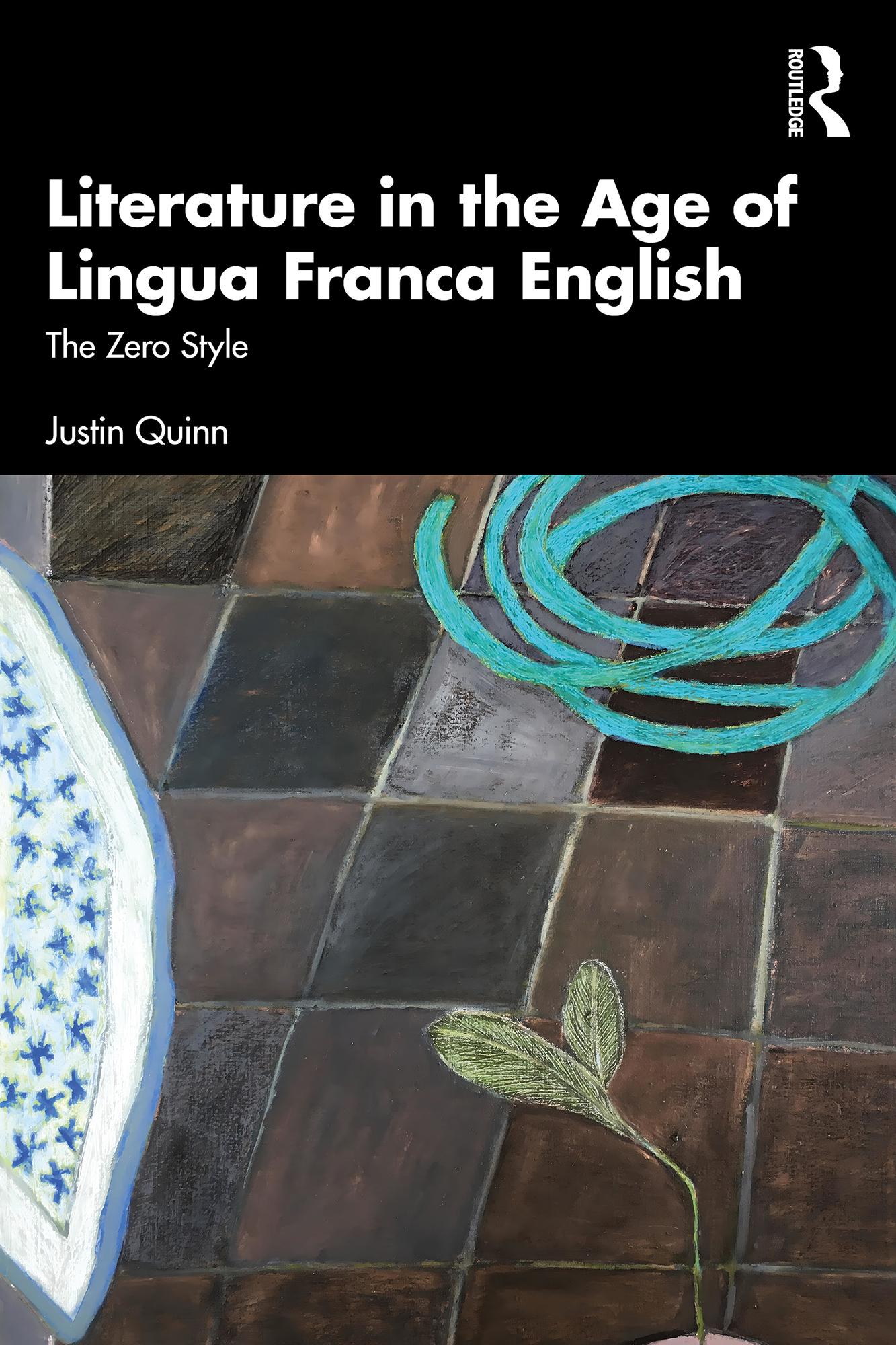
The English language is now a lingua franca spoken by about two billion people. This insightful study considers how a "bridge language" affects world literature by analyzing what it is, how it works, what are its themes, what it means for canons, and how it is mediated.
Cultural criticism often employs perspectives of race, citizenship, and colonialism, as well as considerations of scale (archipelagic, planetary), form (analogies between the literary and the social), and technologies (as they inflect artifacts). These approaches help rethink the new dynamics of anglophone literature, but they have often overlooked one of the basic elements of literature – the language itself. Literatures in English vernaculars have flourished, and Justin Quinn shows that writers are also creating a new idiom in English that is not fixed to a particular locale or community. While sentences may become simpler, the vocabulary range narrower, and rich cultural references lost, Quinn reveals how much this new form of writing gains. He explores the work of a wide range of authors, including Daisy Hildyard, Kim Stanley Robinson, Bryan Washington, Yiyun Li, and Terrance Hayes.
Literature in the Age of Lingua Franca English: The Zero Style is an innovative and illuminating resource for students and scholars of global anglophone literature, comparative literature, and cultural studies.
Zahle einfach mit Karte, Klarna, Apple Pay oder Google Pay. Nicht zufrieden? Du hast immer ein 14-tägiges Widerrufsrecht. Lies mehr in unseren AGB. Hast du Fragen, schreib uns eine E-Mail an hello@memmo.org.
Memmo macht das Lernen einfacher – wo auch immer du bist. Bei uns findest du deine Kursbücher und smarte Lerntools an einem Ort: Zusammenfassungen, Quizzes, Podcasts und Lernkarten. Und Ted, dein Lernbuddy, beantwortet alles, was du wissen möchtest. Über 50.000 Studierende lernen bereits hier – gemacht, damit du schneller lernst und weniger Stress hast.