
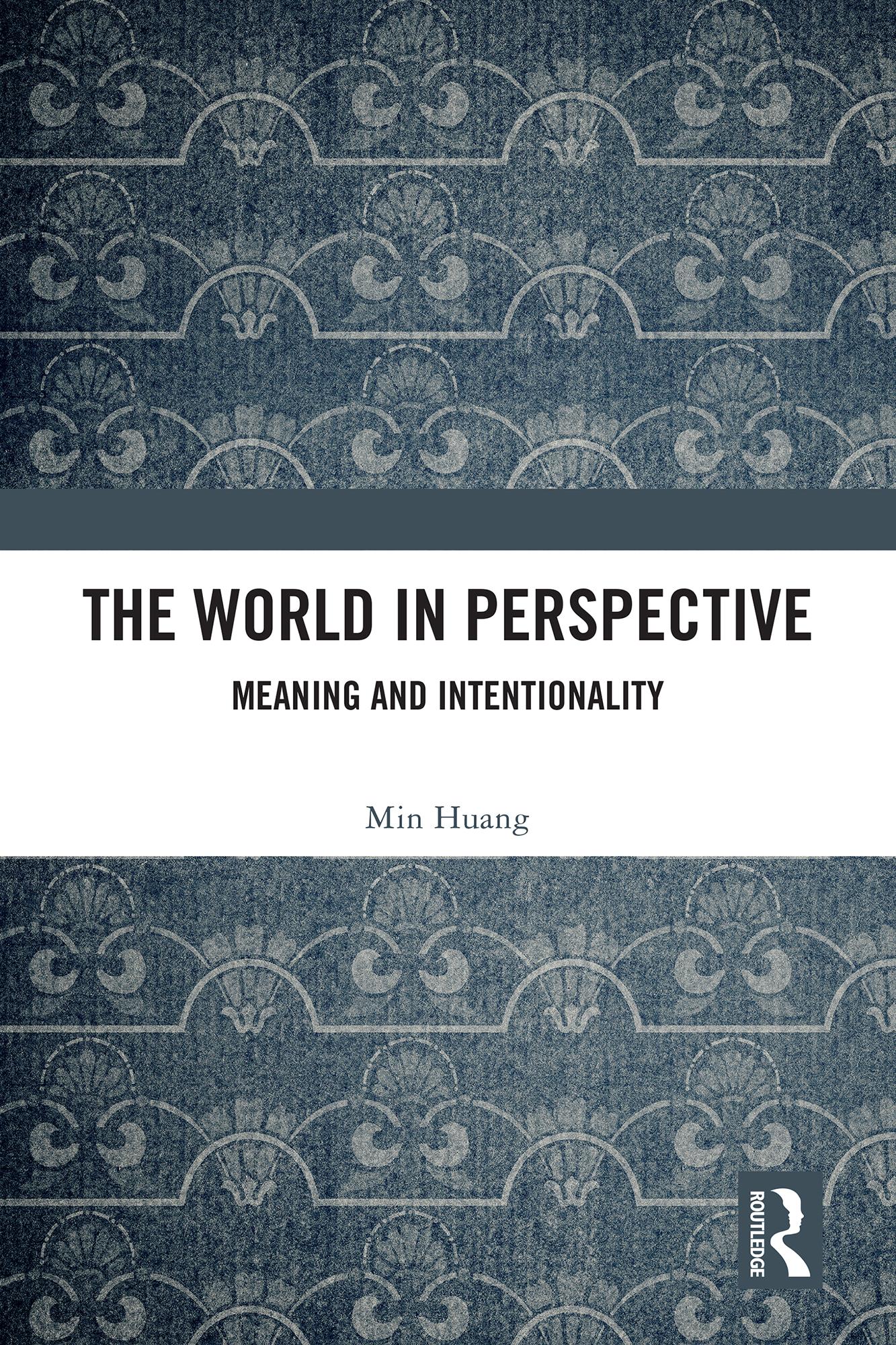
This book aims to reclaim the significance of meaning within the philosophical thinking that has evolved from Descartes and Locke through Kant, Husserl, and Frege, focusing on intentionality—the mind's directedness toward the reality.
The author opens with an epistemological account of analyticity and illustrates the central role of intentionality within it. A transcendentalist view on intentionality is then adopted, in contrast with the prevalent naturalist stance. Addressing key themes in the philosophy of language—truth, representation, propositions, predication, reference, and sense— the book presents a framework for a meaning–intentionality theory, which integrates key insights from Frege, Husserl, Wittgenstein, Dummett, and Davidson.
The book will appeal to scholars and graduate students of epistemology, philosophy of language, philosophy of mind, theory of meaning, and theory of intentionality.
Zahle einfach mit Karte, Klarna, Apple Pay oder Google Pay. Nicht zufrieden? Du hast immer ein 14-tägiges Widerrufsrecht. Lies mehr in unseren AGB. Hast du Fragen, schreib uns eine E-Mail an hello@memmo.org.
Memmo macht das Lernen einfacher – wo auch immer du bist. Bei uns findest du deine Kursbücher und smarte Lerntools an einem Ort: Zusammenfassungen, Quizzes, Podcasts und Lernkarten. Und Ted, dein Lernbuddy, beantwortet alles, was du wissen möchtest. Über 50.000 Studierende lernen bereits hier – gemacht, damit du schneller lernst und weniger Stress hast.