
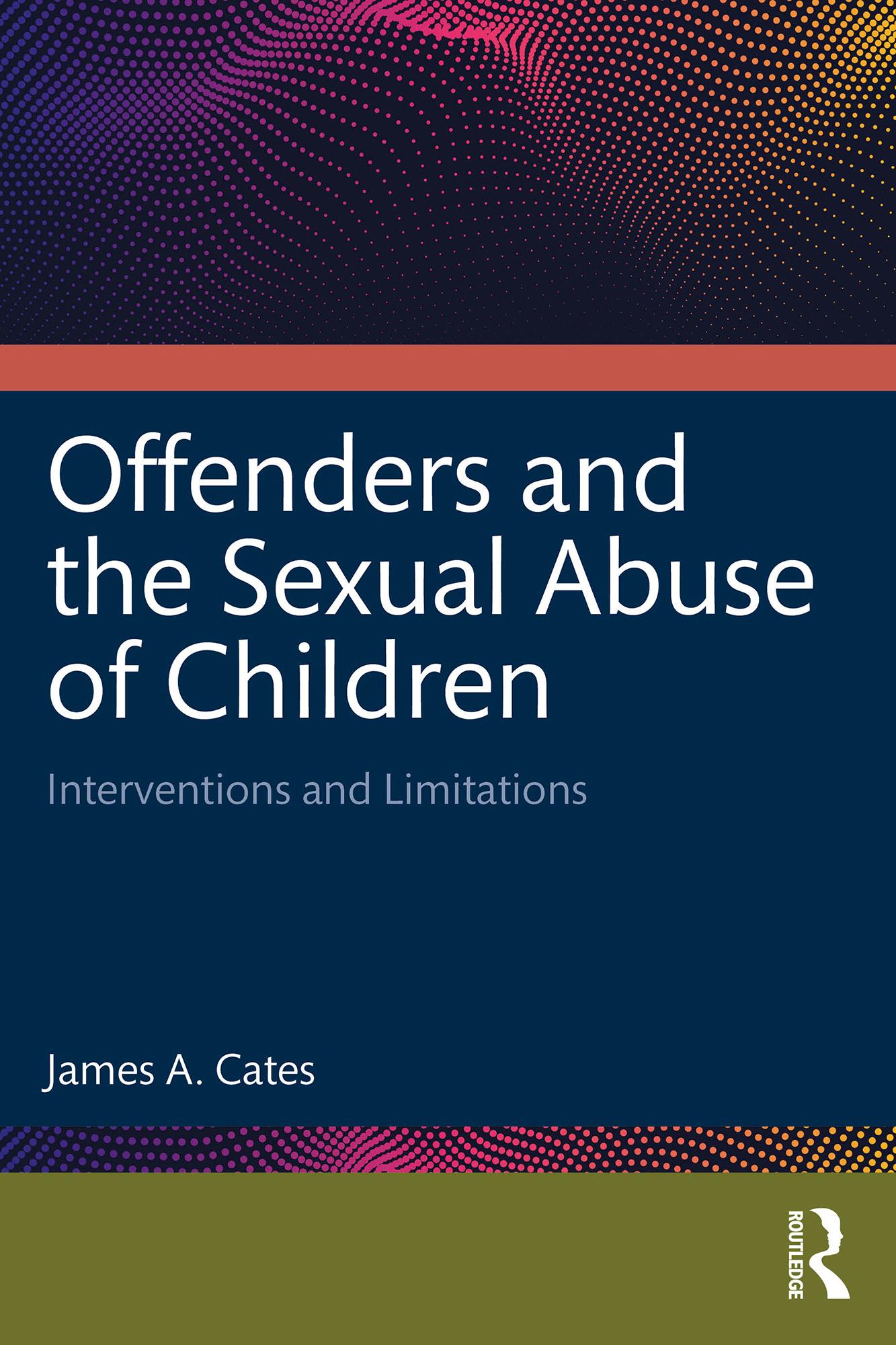
This book synthesizes the nascent but growing body of literature and research emerging on risk management and treatment of persons who sexually offend against children.
This volume demonstrates the need for change by placing current attitudes toward sexual offending in their sociocultural context and then discussing the impact of these attitudes. Rather than parse the needs of children who have been victimized from those who have offended, a model emerges that explains the interlocking dynamics of those who offend and those offended against. This book upends the convenient fiction that child sexual abuse can be reduced by locking away those who offend and then monitoring them upon release. Rather, the book addresses the need for ongoing interaction of the two populations; the reality that the two populations at times overlap; and the increasingly public question of how to manage those who acknowledge an attraction to children but deny an intent to act on that desire.
Providing alternative viewpoints, research avenues, and policy options that can accommodate a more realistic effort to reduce the risk of sexual abuse, it is a must read for all policymakers or professionals working with those who have offended or acknowledge attraction to children, alongside students and researchers from forensic psychology, clinical psychology, or criminology backgrounds.
Zahle einfach mit Karte, Klarna, Apple Pay oder Google Pay. Nicht zufrieden? Du hast immer ein 14-tägiges Widerrufsrecht. Lies mehr in unseren AGB. Hast du Fragen, schreib uns eine E-Mail an hello@memmo.org.
Memmo macht das Lernen einfacher – wo auch immer du bist. Bei uns findest du deine Kursbücher und smarte Lerntools an einem Ort: Zusammenfassungen, Quizzes, Podcasts und Lernkarten. Und Ted, dein Lernbuddy, beantwortet alles, was du wissen möchtest. Über 50.000 Studierende lernen bereits hier – gemacht, damit du schneller lernst und weniger Stress hast.