
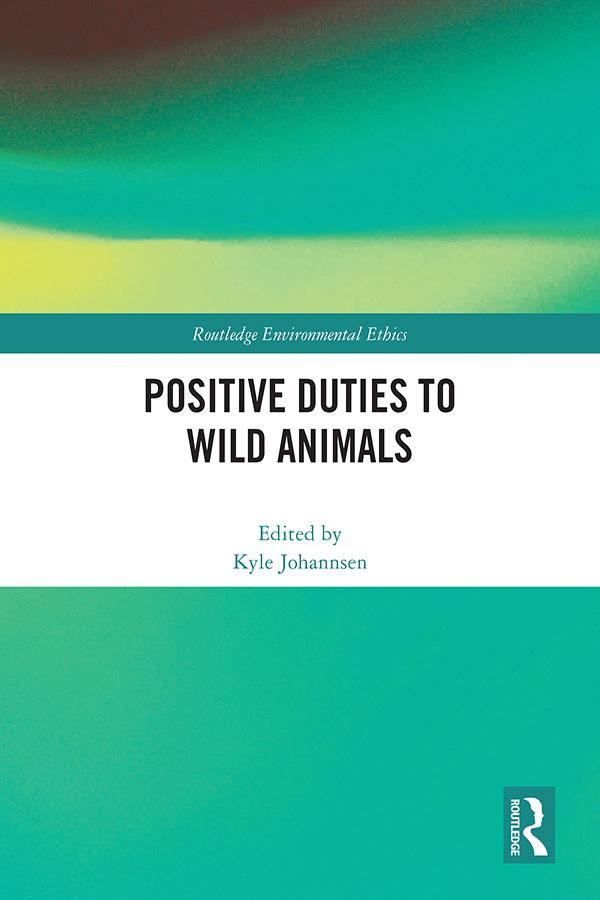
This book further develops the interventionist literature on wild animal suffering using different theoretical frameworks, including some that have never previously been used to ground our positive duties to wild animals.
Though we’ve always known that the wild is a nasty place where predators lethally attack prey, only recently have most animal ethicists come to realize that most wild animals fail to flourish. In fact, what we know about wild animal reproduction suggests that the majority of sentient beings born into the world may not even live lives worth living. It’s not unreasonable for one to initially respond to the above with a sense of depressed resignation, but a growing number of ethicists believe that we both can and should intervene. The purpose of this book is to further develop the interventionist literature by bringing together philosophers who agree that we have significant duties to help wild animals, but who use different theoretical frameworks, or who disagree about the details, e.g., about the reasons that ground our obligations to help wild animals, about how those obligations should be classified, about the content of our obligations, about the means we should use to fulfill our obligations, etc.
This book will be an invaluable resource for scholars, researchers and students of animal ethics, animal welfare, environmental ethics, philosophy, and sustainability. It was originally published as a special issue of the journal Ethics, Policy & Environment.
Zahle einfach mit Karte, Klarna, Apple Pay oder Google Pay. Nicht zufrieden? Du hast immer ein 14-tägiges Widerrufsrecht. Lies mehr in unseren AGB. Hast du Fragen, schreib uns eine E-Mail an hello@memmo.org.
Memmo macht das Lernen einfacher – wo auch immer du bist. Bei uns findest du deine Kursbücher und smarte Lerntools an einem Ort: Zusammenfassungen, Quizzes, Podcasts und Lernkarten. Und Ted, dein Lernbuddy, beantwortet alles, was du wissen möchtest. Über 50.000 Studierende lernen bereits hier – gemacht, damit du schneller lernst und weniger Stress hast.