
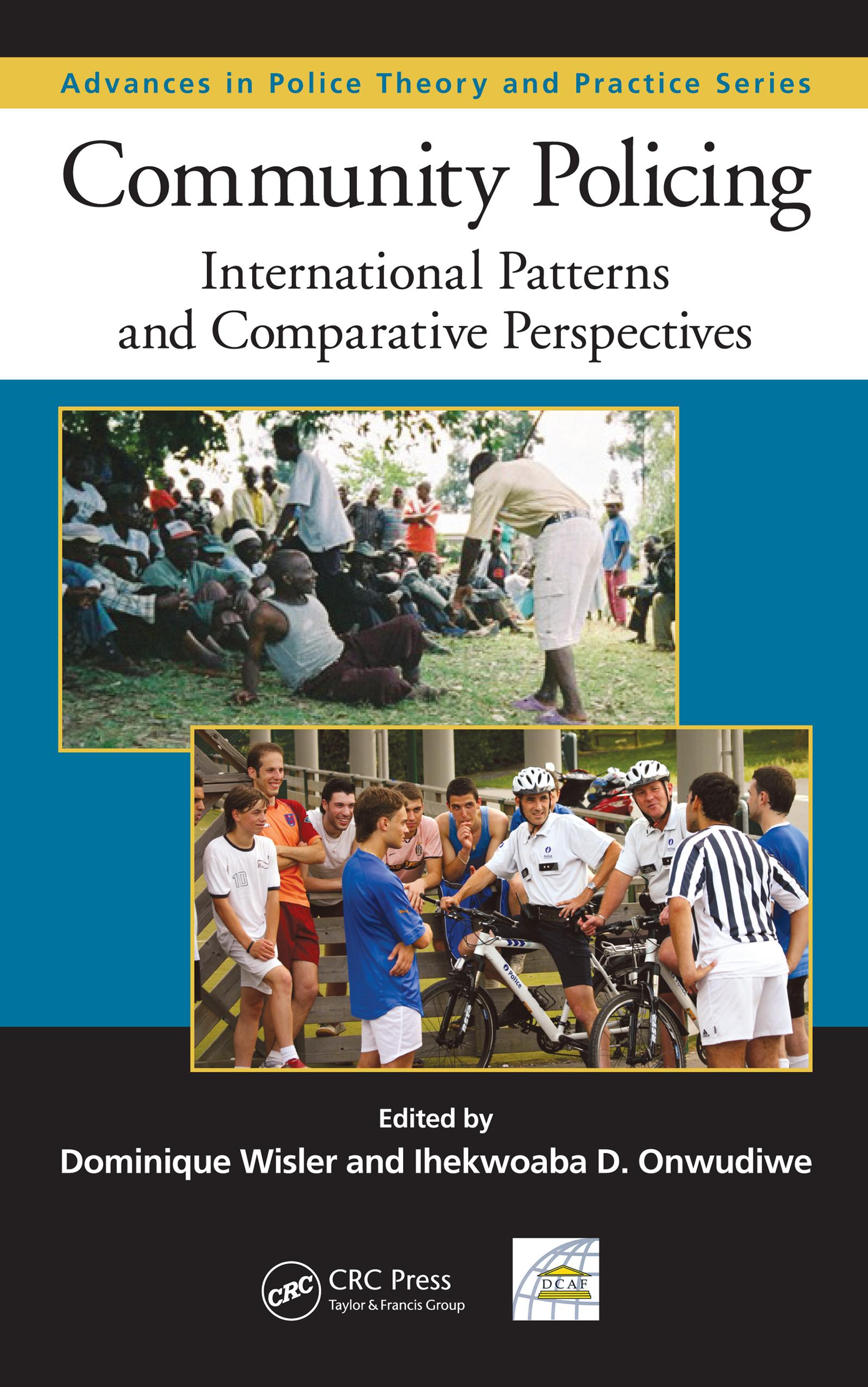
Community-oriented policing (COP) is the ideology and policy model espoused in the mission statements of nearly all policing forces throughout the world. However, the COP philosophy is interpreted differently by different countries and police forces, resulting in practices that may in fact run far afield of the community-based themes of partnership, responsiveness, and transparency. Community Policing: International Patterns and Comparative Perspectives provides a comprehensive survey of purported practices of COP, clarifying the concept and differentiating true COP from other models which follow the ideology in name only.
International contributors profile practices in five continents
Using a case study approach, this eye-opening discourse reveals and examines contemporary patterns of alleged community policing across five continents. Providing insiders’ insight into the myriad practices in a variety of communities, the authors highlight the fact that policing in the countries profiled is heavily influenced by several factors. No matter how strongly the vision of COP permeates a police force’s mission, the significant factors that influence the policing culture are existing social and cultural traditions and structures, conventional methods already in place, the cultural and ideological language that sustains these practices, the efforts of entrepreneurs to argue for or against new ways of policing, and the social capital base found in the society.
Arriving at the conclusion that there is no consensual model of community policing, the detailed analysis in this volume makes this absence of agreement abundantly clear. Separating rhetoric from reality, this illuminating study is a practical, realistic contribution to the expanding literature on community-oriented policing.
Zahle einfach mit Karte, Klarna, Apple Pay oder Google Pay. Nicht zufrieden? Du hast immer ein 14-tägiges Widerrufsrecht. Lies mehr in unseren AGB. Hast du Fragen, schreib uns eine E-Mail an hello@memmo.org.
Memmo macht das Lernen einfacher – wo auch immer du bist. Bei uns findest du deine Kursbücher und smarte Lerntools an einem Ort: Zusammenfassungen, Quizzes, Podcasts und Lernkarten. Und Ted, dein Lernbuddy, beantwortet alles, was du wissen möchtest. Über 50.000 Studierende lernen bereits hier – gemacht, damit du schneller lernst und weniger Stress hast.