
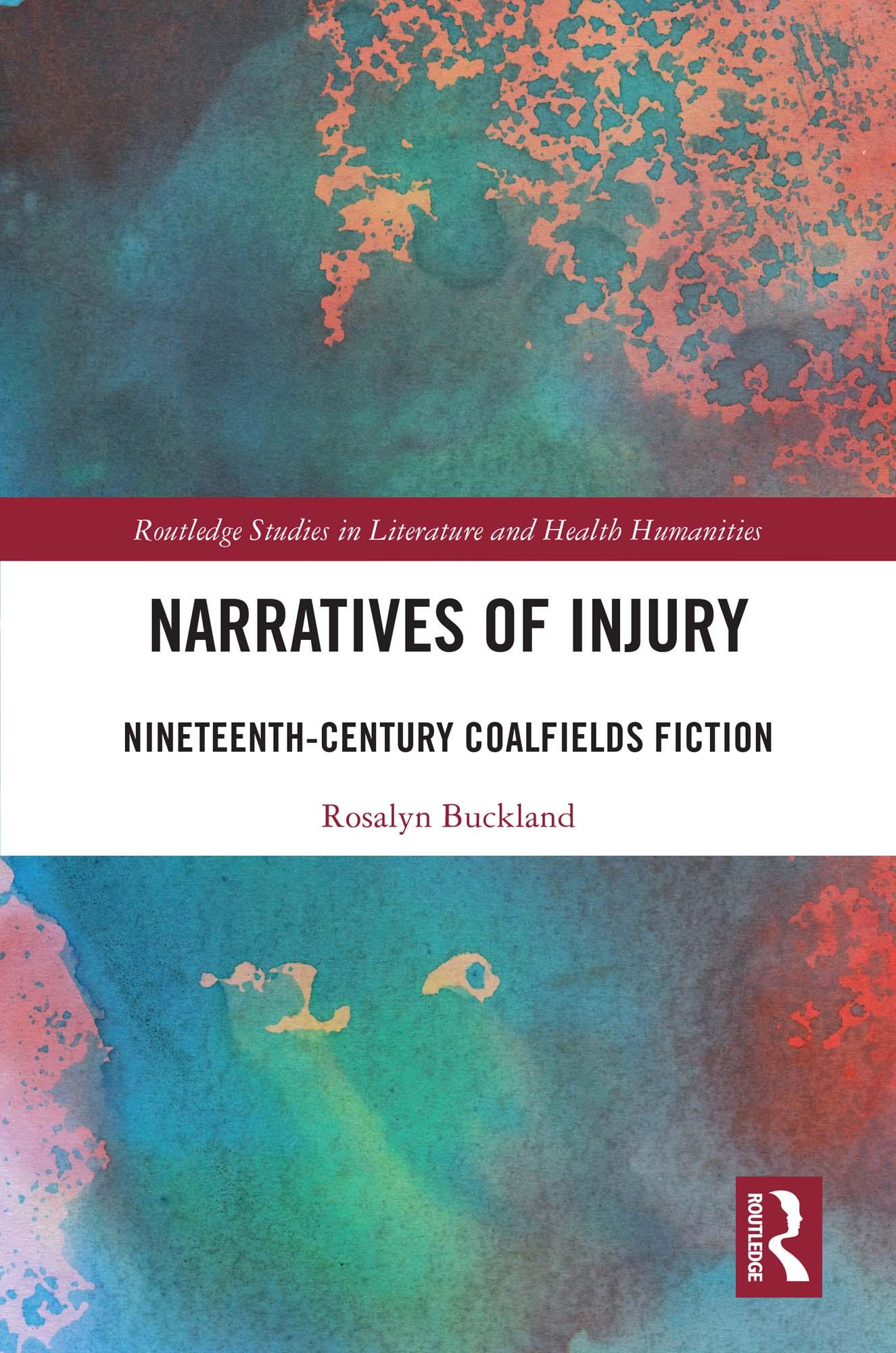
Narratives of Injury redescribes the history of injury from the perspective of those most at risk, rather than medical professionals and other outsiders. Refocusing on the first-hand perspectives found in literary texts and journalistic accounts, it uncovers a self-conscious tradition of mining stories running through nineteenth-century writing. The book examines both non-canonical authors and famous novelists, including Charles Dickens, Joseph Skipsey, G. A Henty, E. H. Burnett, George Eliot, Edward Tirebuck, H.G. Wells and D. H. Lawrence. Their narratives revise our understanding both of injury and of the radical potential of fiction. Sudden physical injuries have often been configured as fundamentally unknowable by the victims themselves, particularly in studies of nineteenth-century literature and culture. Likewise, narratives of psychological trauma have been largely understood, in Cathy Caruth's words, as the 'attempt to master what was never fully grasped in the first place.' Such readings privilege the reader as a necessary interpreter of physical or psychological injury. By contrast, Narratives of Injury reasserts the significance of patients' own experiences, choices and actions.
Zahle einfach mit Karte, Klarna, Apple Pay oder Google Pay. Nicht zufrieden? Du hast immer ein 14-tägiges Widerrufsrecht. Lies mehr in unseren AGB. Hast du Fragen, schreib uns eine E-Mail an hello@memmo.org.
Memmo macht das Lernen einfacher – wo auch immer du bist. Bei uns findest du deine Kursbücher und smarte Lerntools an einem Ort: Zusammenfassungen, Quizzes, Podcasts und Lernkarten. Und Ted, dein Lernbuddy, beantwortet alles, was du wissen möchtest. Über 50.000 Studierende lernen bereits hier – gemacht, damit du schneller lernst und weniger Stress hast.