
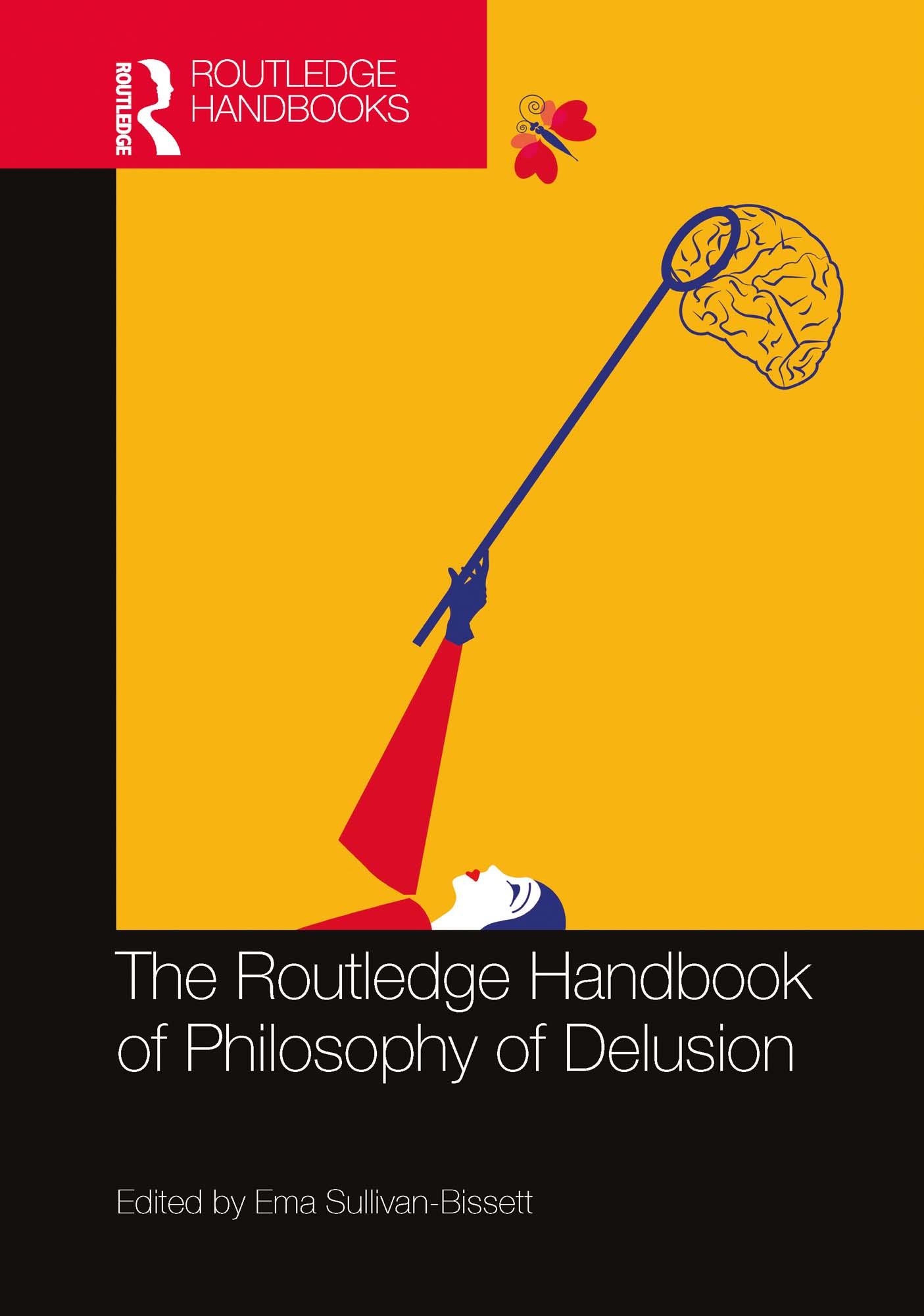
Delusions play an important and fascinating role in philosophy and are a particularly fertile area of study in recent years, spanning philosophy of mind and psychology, epistemology, ethics, psychology, psychiatry, and cognitive science. The Routledge Handbook of Philosophy of Delusion explores the conceptual and philosophical issues in the study of delusion and is the first major reference source of its kind.
Comprising 38 chapters by an international team of contributors, the Handbook is divided into six clear parts:
- The Nature of Delusion
- Delusion in Disorders
- Epistemology of Delusion
- Delusion’s Place in the Mind
- Delusion Formation
- Responsibility, Culture, and Society.
Within these sections, key topics are discussed including delusions and wellbeing, delusions as they occur in wider mental disorder, the epistemic profile of delusions (evidence, justification, rationality), how delusions are formed, delusions and folk psychology (how they relate to belief, self-deception, imagination, and so on), and delusions in the wider social and cultural context.
An outstanding resource for both students and researchers, The Routledge Handbook of Philosophy of Delusion is essential reading for those working on delusion in philosophy departments, and also suitable for those in related disciplines such as psychology, psychiatry, and cognitive science.
Zahle einfach mit Karte, Klarna, Apple Pay oder Google Pay. Nicht zufrieden? Du hast immer ein 14-tägiges Widerrufsrecht. Lies mehr in unseren AGB. Hast du Fragen, schreib uns eine E-Mail an hello@memmo.org.
Memmo macht das Lernen einfacher – wo auch immer du bist. Bei uns findest du deine Kursbücher und smarte Lerntools an einem Ort: Zusammenfassungen, Quizzes, Podcasts und Lernkarten. Und Ted, dein Lernbuddy, beantwortet alles, was du wissen möchtest. Über 50.000 Studierende lernen bereits hier – gemacht, damit du schneller lernst und weniger Stress hast.