
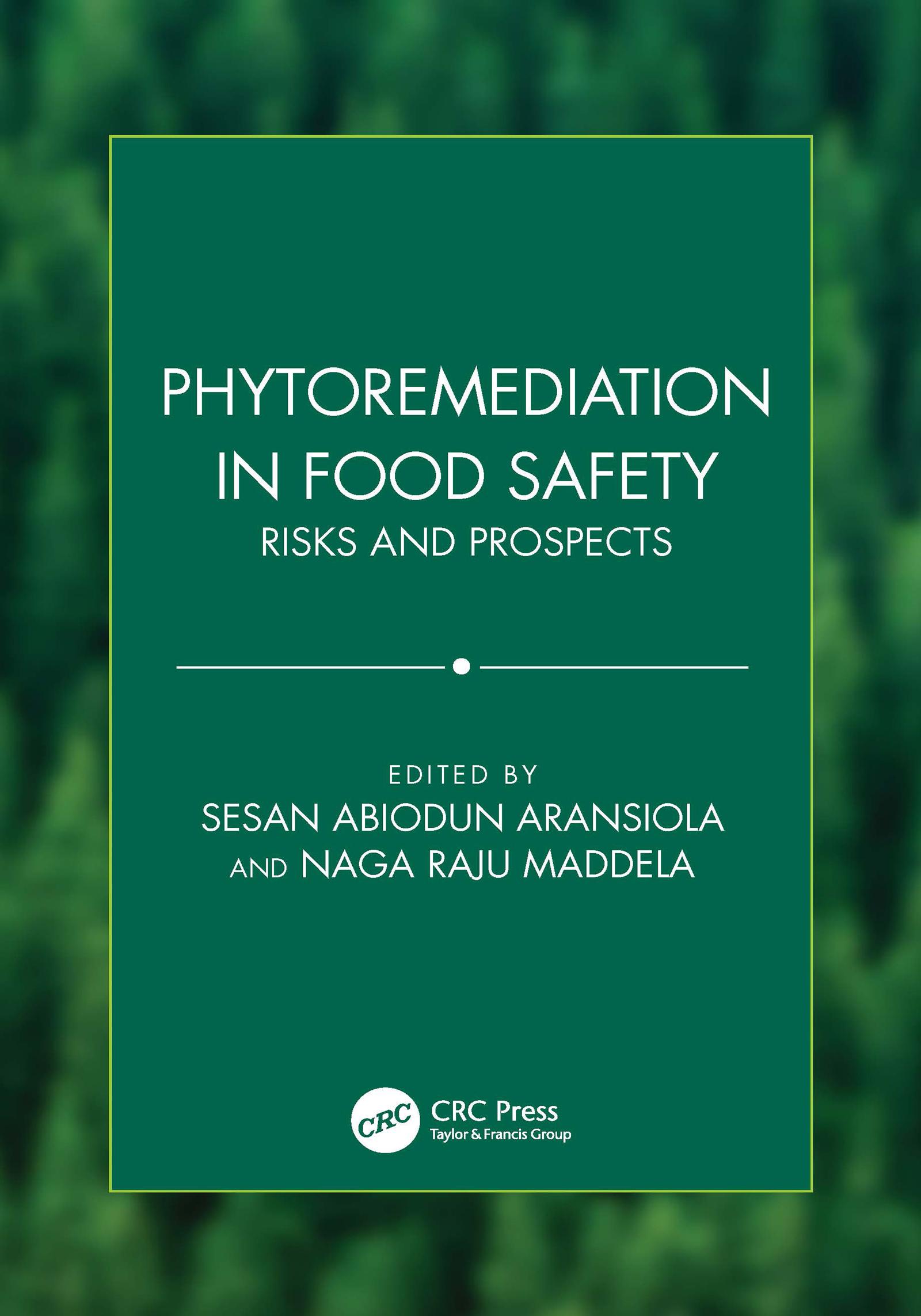
Phytoremediation is the process that uses plants to remove pollutants from soils. These pollutants are stored in the edible parts of plants and, if they are consumed above a certain level, they become a health risk for humans and animals. This book is a critical review of phytoremediation, its direct or indirect effects on food products, and the risks posed by this cost-effective technology in food safety. It shows how different plants are suited for phytoremediation, explains the role of toxicants in the environment, and analyses their effects and risks in the food chain at a global level. It also reviews the extraction methods of toxicants from plants after they are exposed to phytoremediation.
Features:
- Summarizes the phytoremediation technology for effective remediation
- Describes different types of pollutants in soils that render food products useless
- Identifies the role of phytoremediation in the environment and its advantages and disadvantages
- Explains the role of phytoexclusion and phytostabilization in foods and food safety
- Includes many case studies to describe the extraction protocols in postharvest for food safety
This book is intended for practitioners in public and private companies involved in soil remediation and food production, as well as graduate students and academics, in both developed and developing countries, who are involved in soil and environmental sciences, the food industry, agriculture, and biotechnology.
Zahle einfach mit Karte, Klarna, Apple Pay oder Google Pay. Nicht zufrieden? Du hast immer ein 14-tägiges Widerrufsrecht. Lies mehr in unseren AGB. Hast du Fragen, schreib uns eine E-Mail an hello@memmo.org.
Memmo macht das Lernen einfacher – wo auch immer du bist. Bei uns findest du deine Kursbücher und smarte Lerntools an einem Ort: Zusammenfassungen, Quizzes, Podcasts und Lernkarten. Und Ted, dein Lernbuddy, beantwortet alles, was du wissen möchtest. Über 50.000 Studierende lernen bereits hier – gemacht, damit du schneller lernst und weniger Stress hast.