
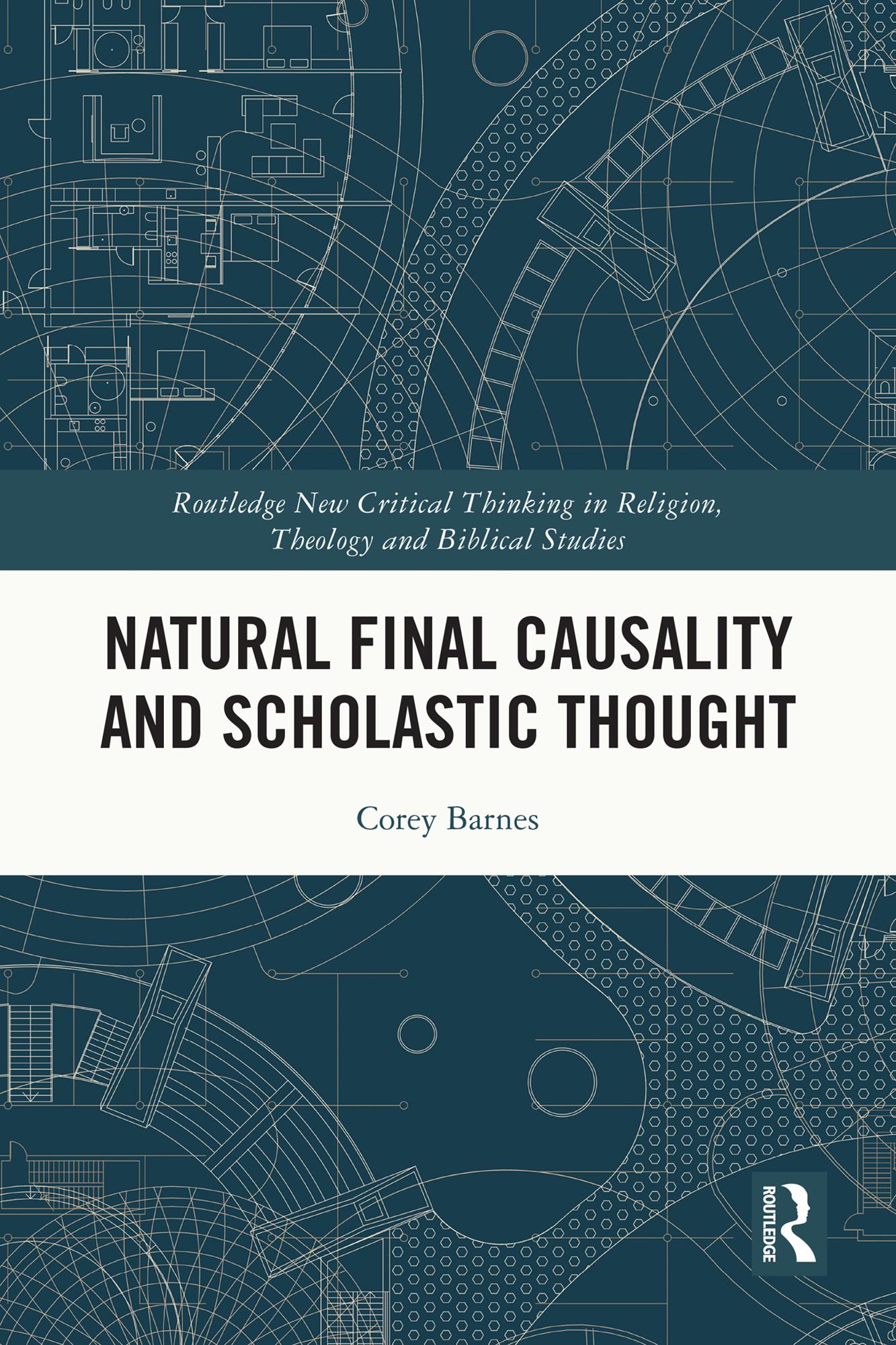
This book examines scholastic conceptions of final causality through the methods and concerns of historical theology. It argues the history of final causality is most profitably understood according to the interplay of regularity, order, and intentionality as interpretive categories. Within this analytic framework, the author explores the history and theological implications of final causality from Aristotle to Nicole Oresme, utilizing shifts in the dominant interpretive category to clarify how final causality could change from one of four co-equal explanatory strategies in Aristotle to the cause of causes in Avicenna to a merely metaphorical cause in Walter Chatton. Theological debates – ranging from questions of creation, the relationship of primary and secondary causality and of the ultimate good to secondary goods, the autonomy or instrumentality of nature, and the compatibility of chance with providence – motivated many of these changes. The chapters examine final causality in Aristotle and the commentorial tradition from late antiquity to medieval Arabic sources and then consider in detail various scholastic understandings and uses of final causality. The book will be of particular interest to scholars of historical theology, systematic theology, scholastic thought, and medieval philosophy.
Zahle einfach mit Karte, Klarna, Apple Pay oder Google Pay. Nicht zufrieden? Du hast immer ein 14-tägiges Widerrufsrecht. Lies mehr in unseren AGB. Hast du Fragen, schreib uns eine E-Mail an hello@memmo.org.
Memmo macht das Lernen einfacher – wo auch immer du bist. Bei uns findest du deine Kursbücher und smarte Lerntools an einem Ort: Zusammenfassungen, Quizzes, Podcasts und Lernkarten. Und Ted, dein Lernbuddy, beantwortet alles, was du wissen möchtest. Über 50.000 Studierende lernen bereits hier – gemacht, damit du schneller lernst und weniger Stress hast.
Das könnte dir auch gefallen
Buch kaufen0