
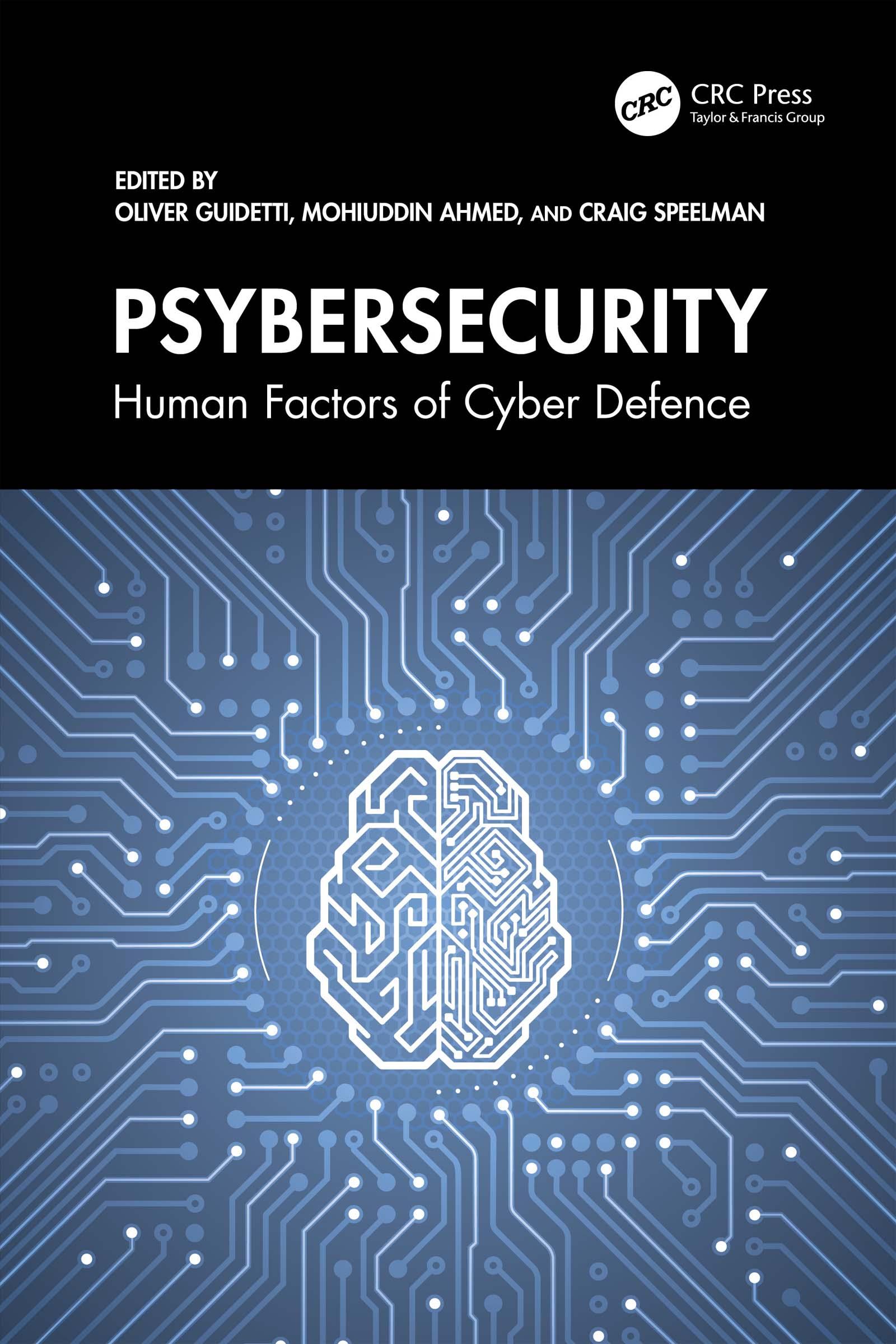
Psybersecurity: Human Factors of Cyber Defence is a clarion call to action in the face of a stark reality: over 90% of cyberattacks exploit human vulnerabilities, as highlighted by the 2022 Global Risks Report from the World Economic Forum. This gap between the rapid advancement of cyber security technologies and the slower pace of development in human-centric defences poses a formidable challenge to national security and personal safety. Amidst the dazzling progress of AI technologies like ChatGPT and Microsoft Security Co-Pilot, the human element of cyber security remains critically underdeveloped.
Set against the backdrop of the Australian government's ambitious goal to become the world's most cybersecure nation by 2030, this book embarks on a mission to address the overlooked human factors in cyber defence. It advocates for a balanced approach that not only relies on technological advancements but also significantly enhances the human aspects of cyber security.
Through an interdisciplinary exploration, Psybersecurity delves into how cyberthreats exploit human vulnerabilities and offers innovative solutions for building resilience against these vulnerabilities. It examines the necessity for cyber security strategies that encompass psychological insights, systemic resilience, and the mitigation of human errors, particularly within critical infrastructures and cyber-physical systems (CPS).
Furthermore, this work critiques existing cyber security education frameworks, proposing a comprehensive curriculum that equips individuals with technical skills and the behavioural competencies needed to navigate the cyber landscape ethically and effectively. It also addresses AI's ethical dilemmas and psychological impacts, offering a forward-looking perspective on combating AI-driven harassment and endorsing a new field of study: "Psybersecurity."
Psybersecurity: Human Factors of Cyber Defence aims to bridge the gap between cyber security and human sciences, ignite a transformation in understanding, and fortify our digital world. It is an essential read for academics, professionals, and anyone committed to building a safer, more resilient cyber future in alignment with Australia's 2030 vision.
Zahle einfach mit Karte, Klarna, Apple Pay oder Google Pay. Nicht zufrieden? Du hast immer ein 14-tägiges Widerrufsrecht. Lies mehr in unseren AGB. Hast du Fragen, schreib uns eine E-Mail an hello@memmo.org.
Memmo macht das Lernen einfacher – wo auch immer du bist. Bei uns findest du deine Kursbücher und smarte Lerntools an einem Ort: Zusammenfassungen, Quizzes, Podcasts und Lernkarten. Und Ted, dein Lernbuddy, beantwortet alles, was du wissen möchtest. Über 50.000 Studierende lernen bereits hier – gemacht, damit du schneller lernst und weniger Stress hast.