
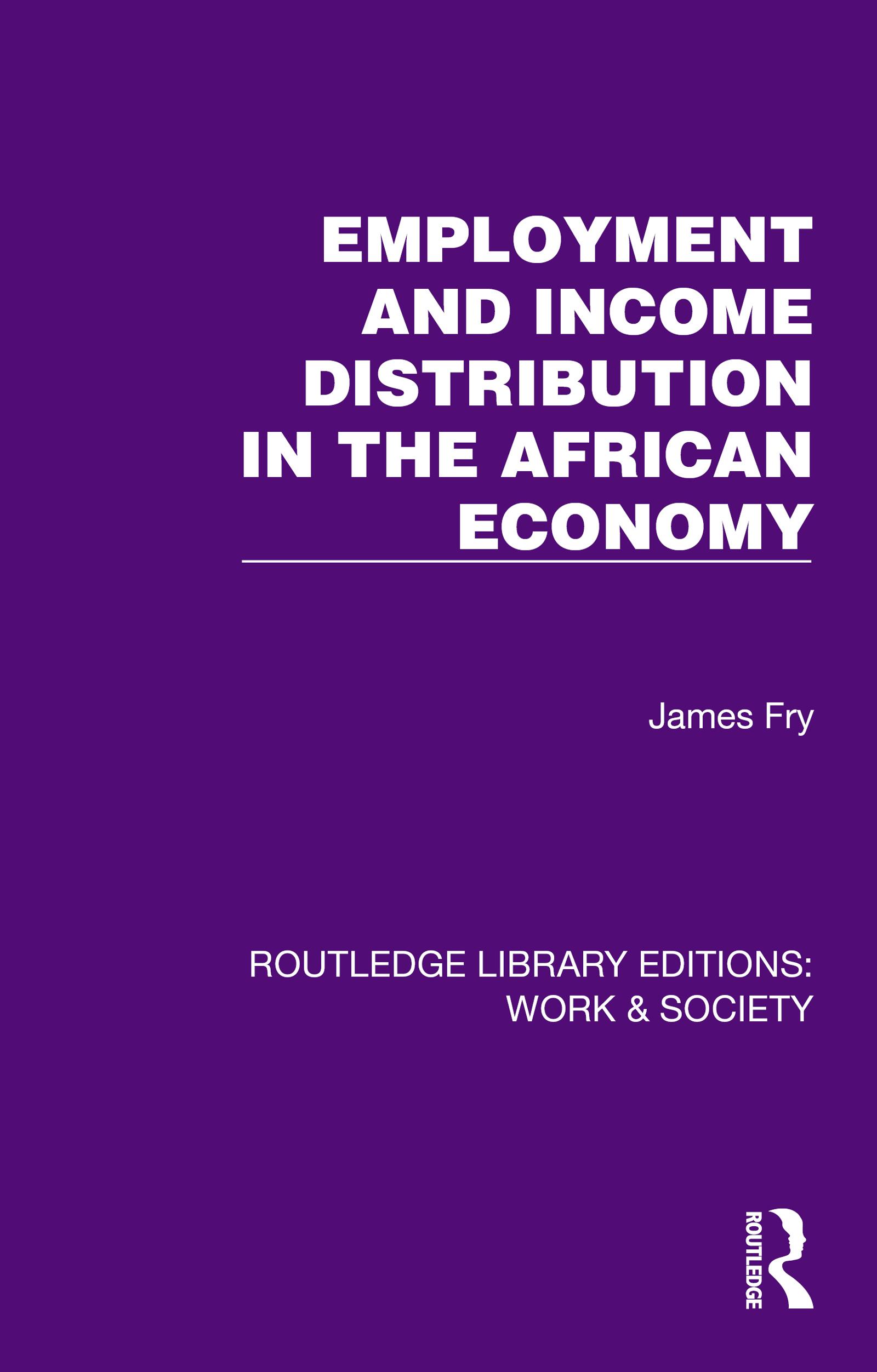
Zambia is one African country which has evolved from being a classic example of a colonial economy to become an independent state with a large export enclave. The economy has had to face structural problems that have at one time or another, characterised other African economies. This study therefore throws light upon many aspects of the labour markets elsewhere in Africa. Originally published in 1979, this book analyses 3 stages of development in the Zambian labour force: the first running up to 1930 when the Copperbelt was opened up, was followed by over 30 years of economic and employment growth, leading to the emergence of a wage and skill structure that differentiated strongly between Africans and non-Africans. Finally there is the period since the early 1960s when the racial basis for employment and earnings restrictions have been lifted but where inequalities remain. Each of these stages is examined in detail and complemented by a theoretical discussion of the factors affecting the development of the wage structure and earnings differentials within Zambia. The impact of government policy income distribution is also discussed and illustrated by means of a comparative study of government income policies in Zambia, Tanzania and Kenya.
Zahle einfach mit Karte, Klarna, Apple Pay oder Google Pay. Nicht zufrieden? Du hast immer ein 14-tägiges Widerrufsrecht. Lies mehr in unseren AGB. Hast du Fragen, schreib uns eine E-Mail an hello@memmo.org.
Memmo macht das Lernen einfacher – wo auch immer du bist. Bei uns findest du deine Kursbücher und smarte Lerntools an einem Ort: Zusammenfassungen, Quizzes, Podcasts und Lernkarten. Und Ted, dein Lernbuddy, beantwortet alles, was du wissen möchtest. Über 50.000 Studierende lernen bereits hier – gemacht, damit du schneller lernst und weniger Stress hast.