
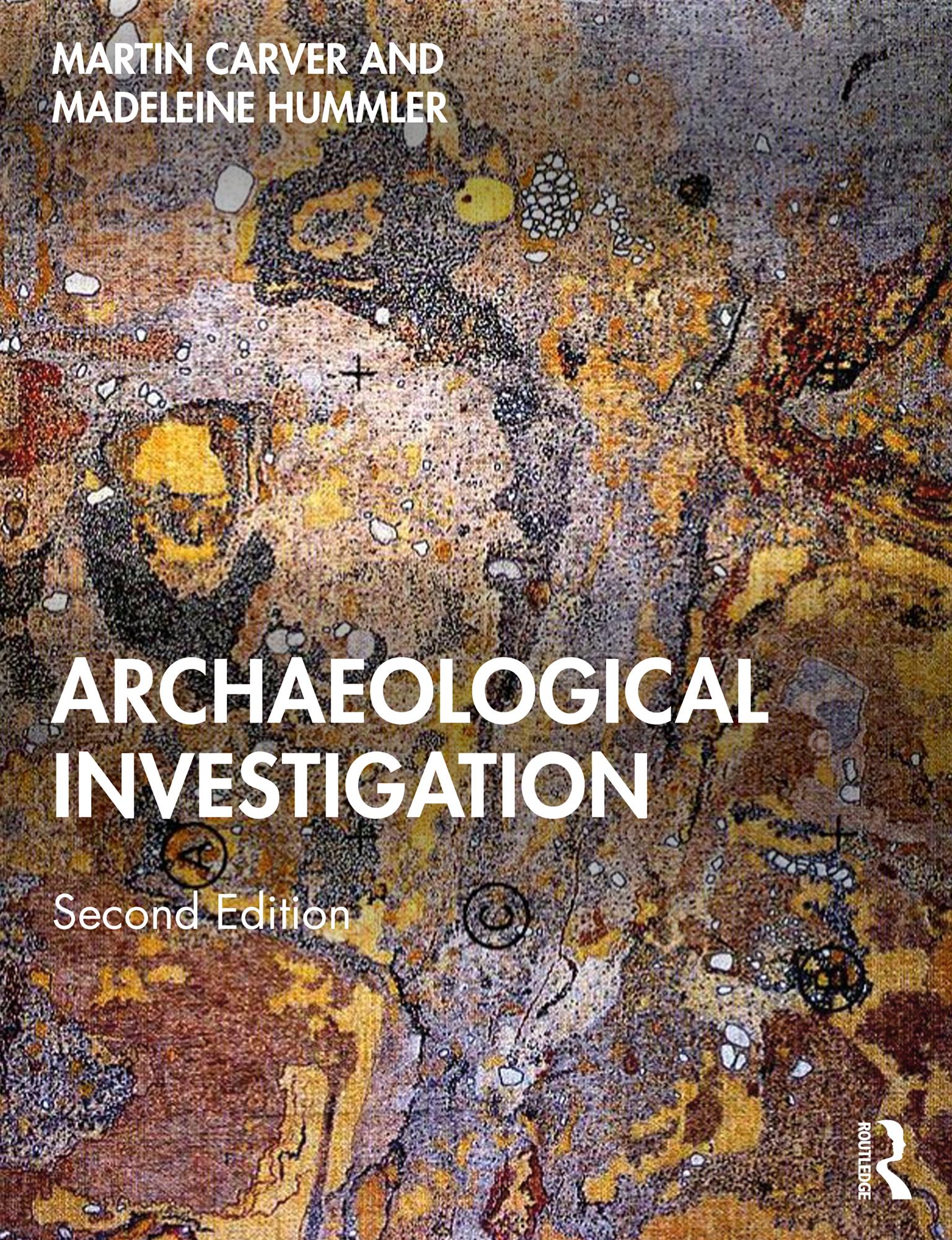
The thoroughly updated second edition of Archaeological Investigation reviews and explains the practices of field archaeology in the world today. Now co-authored by Madeleine Hummler, the book’s scope has been enlarged in time and space, reaching out to the different methods and strategies applied in both the academic and commercial sectors in diverse terrain on land and under the sea.
Archaeological Investigation accompanies the reader on a journey from absolute beginner to professional. Part 1 (Principles) sets the scene for newcomers, showing the axial role of fieldwork in rediscovering the past. Part 2 (In the Field) is aimed at those setting out to collect primary data by the diverse methods of modern survey and excavation. Word pictures on "First day in the field" and "First day on a dig" provide friendly introductions to the high-tech enterprise that fieldwork has become. Now fully engaged in the process, newcomers to archaeology are ready, in Part 3 (Writing Up), to take part in the process of making the discoveries known. Here the findings of fieldwork are marshalled to analyse the assemblage, the use of space and the chronology of what happened. The results are then combined in a synthesis and communicated through websites, museums, the display of sites and above all through publication. Part 4 (Design) engages the reader in archaeology’s primary action: how to design projects that conserve, rediscover and explain the human past, beginning with a review of some landmark examples (Chapter 13). The final chapter (The Profession) reviews the role of the state, the academy, the commercial sector and the public in making archaeology happen – and why it matters.
Building on the authors’ extensive experience, Archaeological Investigation remains an inspiring, provocative, informative and entertaining book for students and professionals, arguing that the investigation of the human and environmental past is highly relevant to contemporary society and its future.
Zahle einfach mit Karte, Klarna, Apple Pay oder Google Pay. Nicht zufrieden? Du hast immer ein 14-tägiges Widerrufsrecht. Lies mehr in unseren AGB. Hast du Fragen, schreib uns eine E-Mail an hello@memmo.org.
Memmo macht das Lernen einfacher – wo auch immer du bist. Bei uns findest du deine Kursbücher und smarte Lerntools an einem Ort: Zusammenfassungen, Quizzes, Podcasts und Lernkarten. Und Ted, dein Lernbuddy, beantwortet alles, was du wissen möchtest. Über 50.000 Studierende lernen bereits hier – gemacht, damit du schneller lernst und weniger Stress hast.