
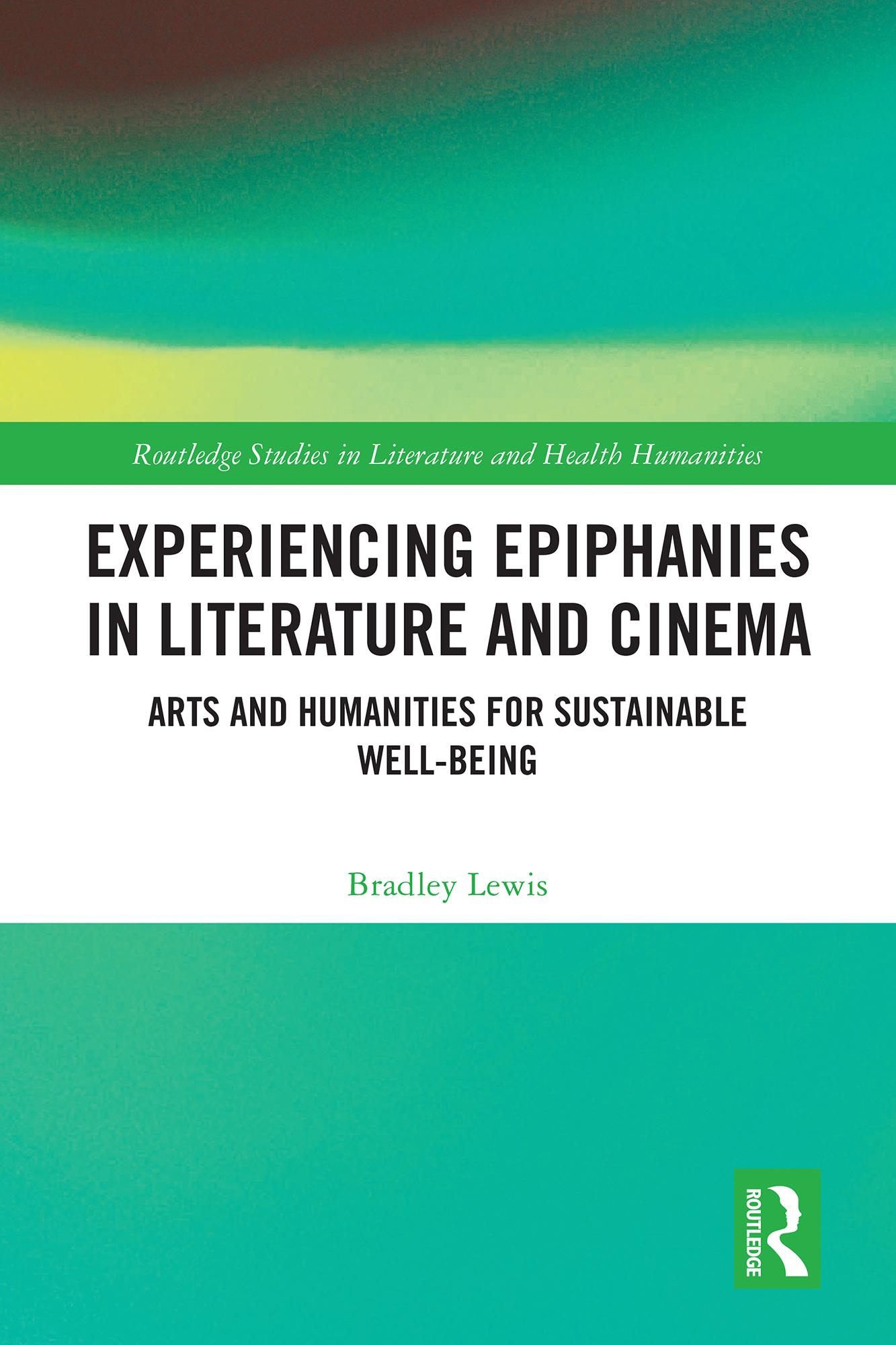
Experiencing Epiphanies in Literature and Cinema uses health humanities and psychological humanities to explore literary and cinematic epiphanies. James Joyce first adopted the term “epiphany” from its religious use to articulate momentsof luminous intensity or “sudden spiritual manifestation.” This study develops and extends Joyce’s use of epiphany through a range of literary and cinematic examples, from William Shakespeare to Ruth Ozeki and from Yasujirō Ozu to Jim Jarmusch. This wealth of epiphanies in the arts is important from a health humanities perspective in that they provide access to aesthetic and sustainable experiences of well-being, joy, and human flowering. They also provide antidotes to aesthetics of anti-epiphany—a showing forth of terror, horror, and panic. Experiencing Epiphanies is accordingly both critical and affirmative, diagnostic and therapeutic. It uses critique to understand the increasing need for well-being in contemporary times, and it uses affirmation to develop underutilized resources in the arts for transforming, configuring, and refiguring our everyday lives.
Zahle einfach mit Karte, Klarna, Apple Pay oder Google Pay. Nicht zufrieden? Du hast immer ein 14-tägiges Widerrufsrecht. Lies mehr in unseren AGB. Hast du Fragen, schreib uns eine E-Mail an hello@memmo.org.
Memmo macht das Lernen einfacher – wo auch immer du bist. Bei uns findest du deine Kursbücher und smarte Lerntools an einem Ort: Zusammenfassungen, Quizzes, Podcasts und Lernkarten. Und Ted, dein Lernbuddy, beantwortet alles, was du wissen möchtest. Über 50.000 Studierende lernen bereits hier – gemacht, damit du schneller lernst und weniger Stress hast.