
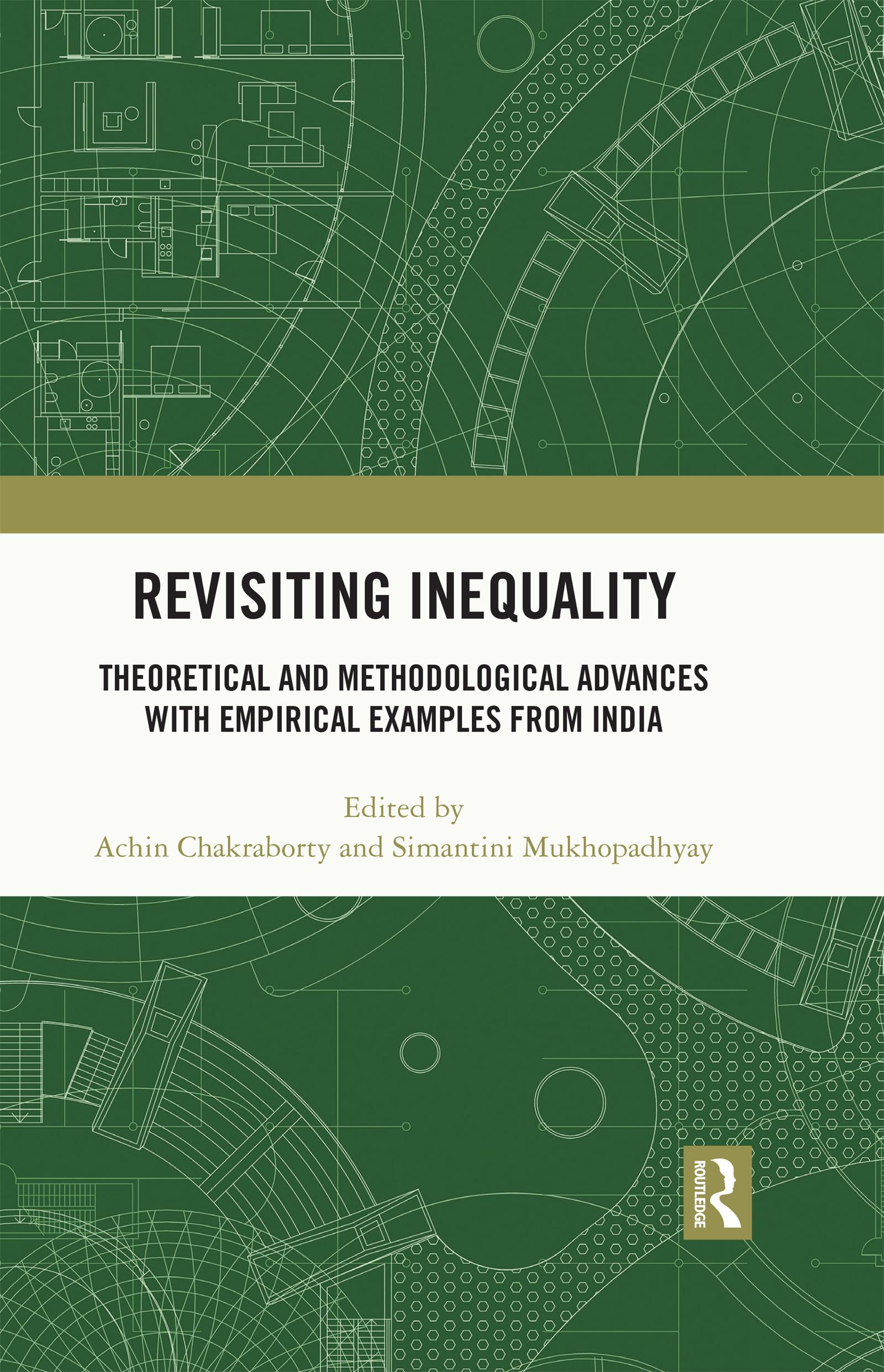
This volume discusses the current state of knowledge on the conceptual understanding of inequality. The book poses a range of empirical puzzles in the Indian context and examines inequalities across categories of the region of residence, caste, and sex, using a fascinating range of outcome indicators, comprising education, health, earnings, self-employment, and crime.
The empirical chapters of this volume use various large-scale secondary data sources to expose the deep-rooted, structural inequalities in the Indian society. It answers some of the pertinent questions around inequality such as why do the backward regions of India continue to remain backward, both in terms of economic and human development indicators? Why do enterprises owned by backward caste individuals have systematically lower business earnings? Are backward castes and women more likely to face crime when their relative status improves? How do the circumstances that children find given at birth influence their learning outcomes? etc.
The book will be of interest to teachers, students, and researchers of economics of education, development studies, development economics, and Indian economics. It will also be useful for policymakers, academicians, and anyone curious to learn about inequality.
Zahle einfach mit Karte, Klarna, Apple Pay oder Google Pay. Nicht zufrieden? Du hast immer ein 14-tägiges Widerrufsrecht. Lies mehr in unseren AGB. Hast du Fragen, schreib uns eine E-Mail an hello@memmo.org.
Memmo macht das Lernen einfacher – wo auch immer du bist. Bei uns findest du deine Kursbücher und smarte Lerntools an einem Ort: Zusammenfassungen, Quizzes, Podcasts und Lernkarten. Und Ted, dein Lernbuddy, beantwortet alles, was du wissen möchtest. Über 50.000 Studierende lernen bereits hier – gemacht, damit du schneller lernst und weniger Stress hast.