
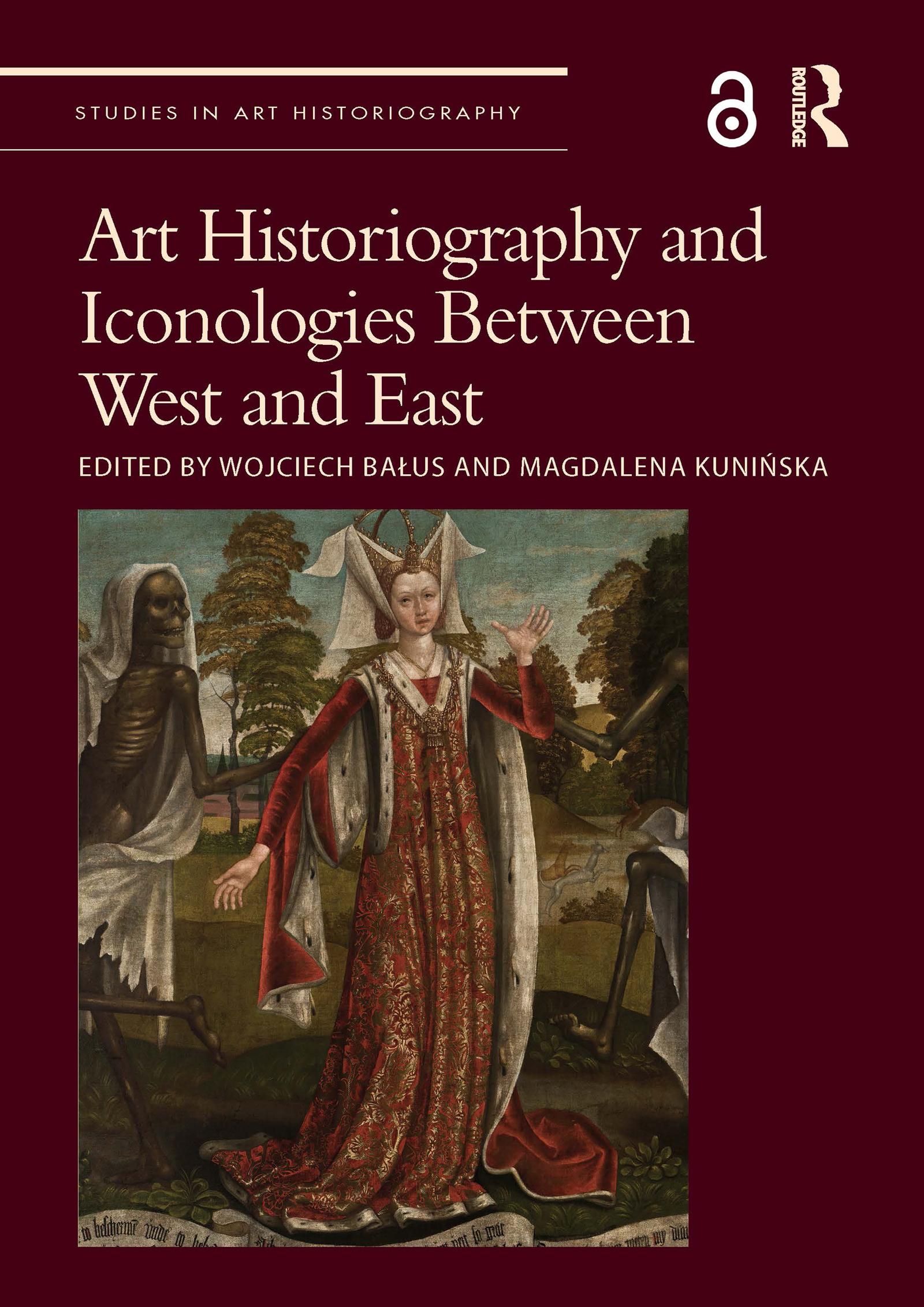
This volume explores a basic question in the historiography of art: the extent to which iconology was a homogenous research method in its own immutable right. By contributing to the rejection of the universalizing narrative, these case studies argue that there were many strands of iconology.
Methods that differed from the ‘canonised’ approach of Panofsky were proposed by Godefridus Johannes Hoogewerff and Hans Sedlmayr. Researchers affiliated with the Warburg Institute in London also chose to distance themselves from Panofsky’s work. Poland, in turn, was the breeding ground for yet another distinct variety of iconology. In Communist Czechoslovakia there were attempts to develop a ‘Marxist iconology’. This book, written by recognized experts in the field, examines these and other major strands of iconology, telling the tale of iconology’s reception in the countries formerly behind the Iron Curtain. Attitudes there ranged from enthusiastic acceptance in Poland, to critical reception in the Soviet Union, to reinterpretation in Czechoslovakia and the German Democratic Republic, and, finally, to outright rejection in Romania.
The book will be of interest to scholars working in art history, visual studies, and historiography.
Chapters 8 and 15 of this book are freely available as a downloadable Open Access PDF at www.taylorfrancis.com under a Creative Commons Attribution-Non Commercial-No Derivatives (CC-BY-NC-ND) 4.0 international license
Zahle einfach mit Karte, Klarna, Apple Pay oder Google Pay. Nicht zufrieden? Du hast immer ein 14-tägiges Widerrufsrecht. Lies mehr in unseren AGB. Hast du Fragen, schreib uns eine E-Mail an hello@memmo.org.
Memmo macht das Lernen einfacher – wo auch immer du bist. Bei uns findest du deine Kursbücher und smarte Lerntools an einem Ort: Zusammenfassungen, Quizzes, Podcasts und Lernkarten. Und Ted, dein Lernbuddy, beantwortet alles, was du wissen möchtest. Über 50.000 Studierende lernen bereits hier – gemacht, damit du schneller lernst und weniger Stress hast.