
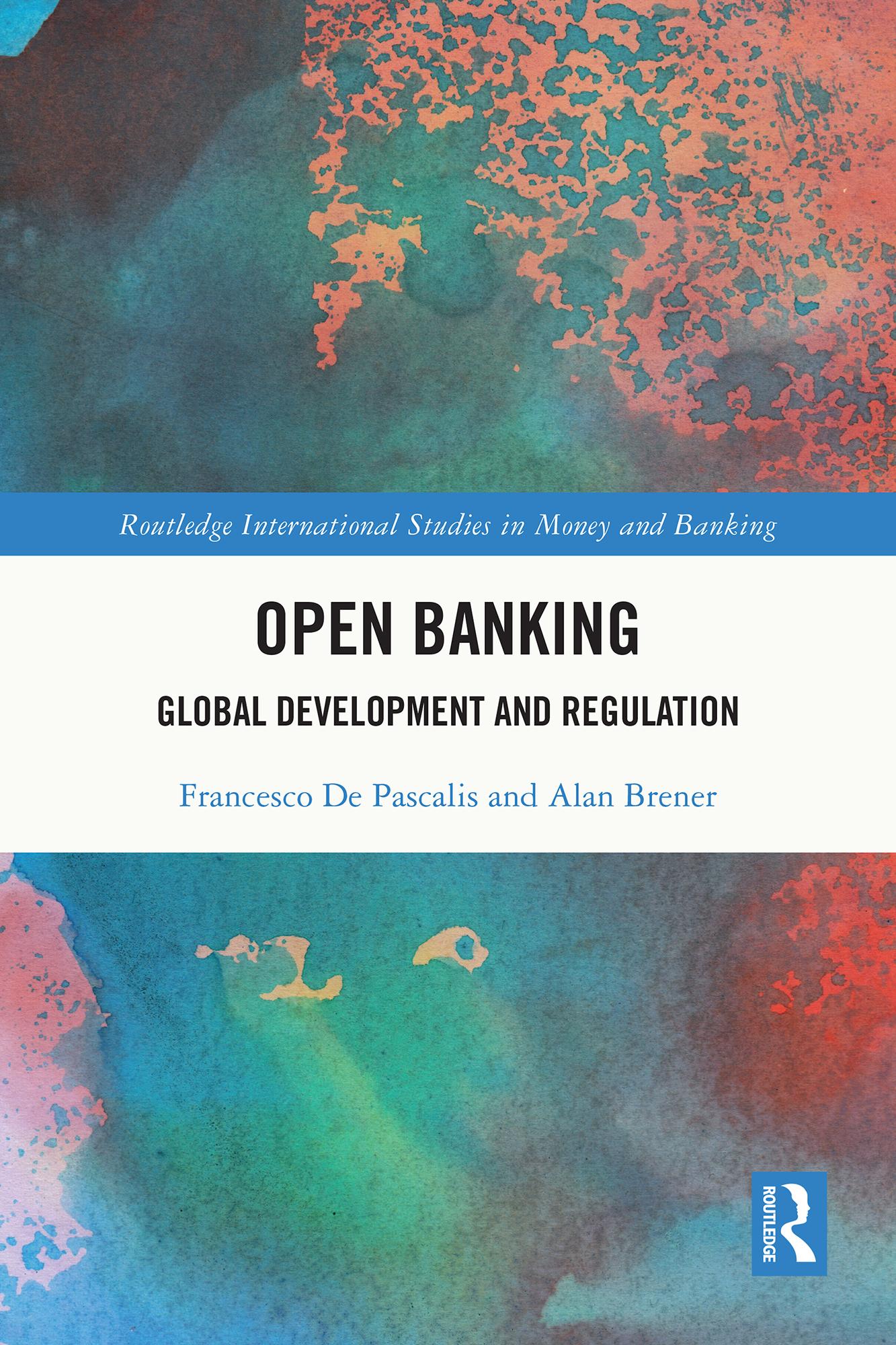
Open banking ends the proprietary control of customer information by banks and allows customers to share their banking financial data with third parties as a matter of right. It can also permit customers to allow others to remove funds directly from their bank accounts in return for goods and services. All of this is done securely with standardised ‘application programming interfaces’ (APIs). Open banking has developed in different ways and with different objectives across the globe. Open Banking: Global Development and Regulation examines the empowering and enabling regulations that facilitate all of this.
This book compares a number of different open banking national strategies. These range from the focus of the UK and EU on enhanced competition to the more collaborative approaches in many East Asian jurisdictions. It also looks at the use of open banking for socio-economic purpose in Brazil and India. Here open banking forms part of a wider government programme to increase financial inclusion coupled with encouraging economic growth.
This text will be valuable for fintech companies, policymakers and financial services regulators Its overarching aim is to demonstrate the possibilities and challenges of open banking and how it is changing lives across the world.
Zahle einfach mit Karte, Klarna, Apple Pay oder Google Pay. Nicht zufrieden? Du hast immer ein 14-tägiges Widerrufsrecht. Lies mehr in unseren AGB. Hast du Fragen, schreib uns eine E-Mail an hello@memmo.org.
Memmo macht das Lernen einfacher – wo auch immer du bist. Bei uns findest du deine Kursbücher und smarte Lerntools an einem Ort: Zusammenfassungen, Quizzes, Podcasts und Lernkarten. Und Ted, dein Lernbuddy, beantwortet alles, was du wissen möchtest. Über 50.000 Studierende lernen bereits hier – gemacht, damit du schneller lernst und weniger Stress hast.