
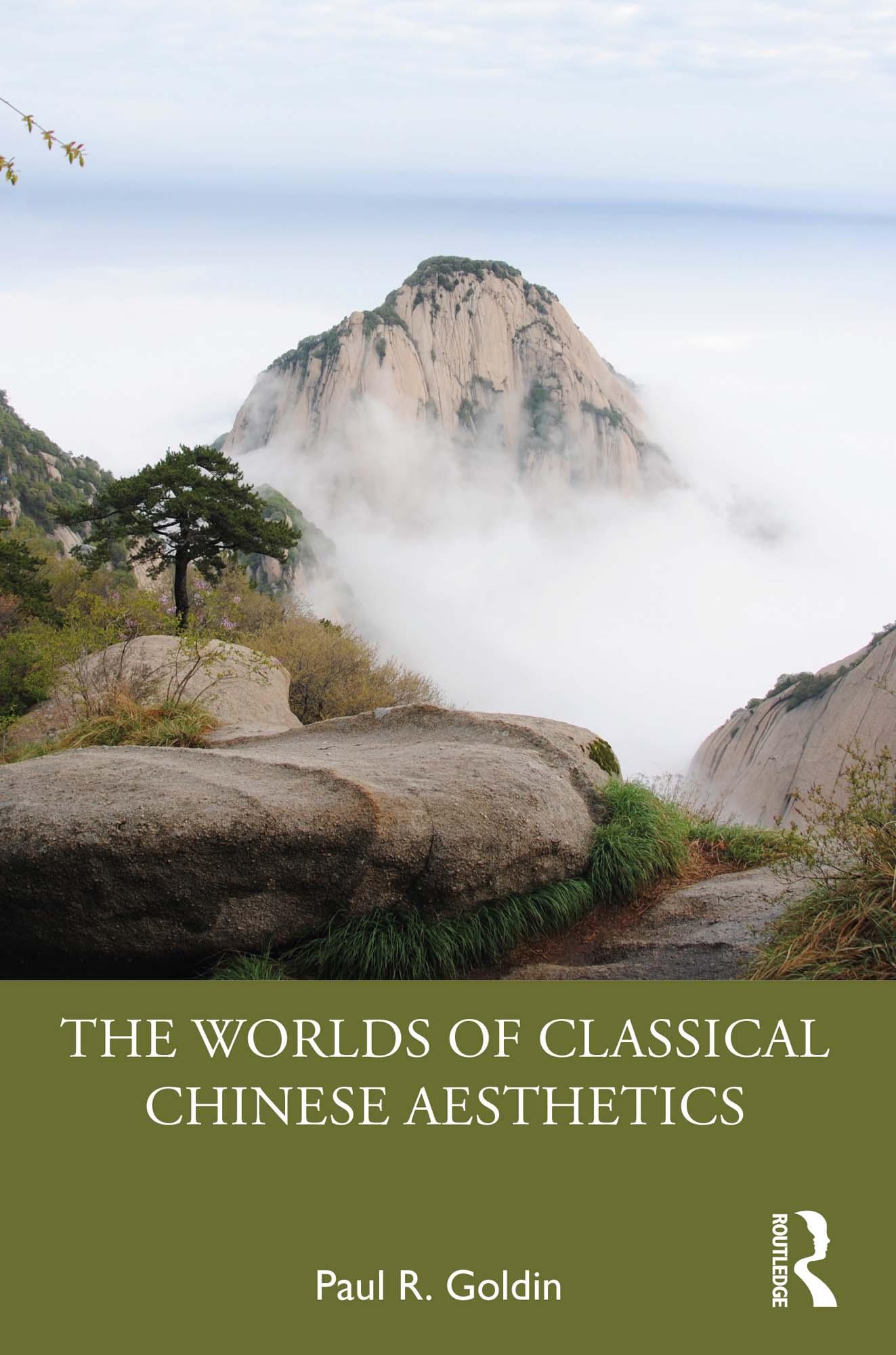
This book presents the foundations of classical Chinese aesthetic discourse - roughly from the Bronze Age to the early Middle Ages - with the following animating questions:
What is art?
Why do we produce it?
How do we judge it?
The arts that garnered the most theoretical attention during this time period were music, poetry, calligraphy, and painting, and this book considers the reasons why these four were privileged. Whereas modern artists most likely consider themselves musicians or poets or calligraphers or painters or sculptors or architects, the pre-modern authors who produced the literature that established Chinese aesthetics prided themselves on being wenren, “cultured people,” conversant with all forms of art and learning. Other comparisons with Western theories and works of art are presented at due junctures.
Key Features
- Addresses Chinese aesthetic discourse on its own terms
- Provides comparisons of key concepts and theories with examples from Western sources
- Includes more coverage of primary sources than any other English-language book on the subject
- Each chapter opens with a helpful summary, highlighting the chapter’s key themes
Zahle einfach mit Karte, Klarna, Apple Pay oder Google Pay. Nicht zufrieden? Du hast immer ein 14-tägiges Widerrufsrecht. Lies mehr in unseren AGB. Hast du Fragen, schreib uns eine E-Mail an hello@memmo.org.
Memmo macht das Lernen einfacher – wo auch immer du bist. Bei uns findest du deine Kursbücher und smarte Lerntools an einem Ort: Zusammenfassungen, Quizzes, Podcasts und Lernkarten. Und Ted, dein Lernbuddy, beantwortet alles, was du wissen möchtest. Über 50.000 Studierende lernen bereits hier – gemacht, damit du schneller lernst und weniger Stress hast.