
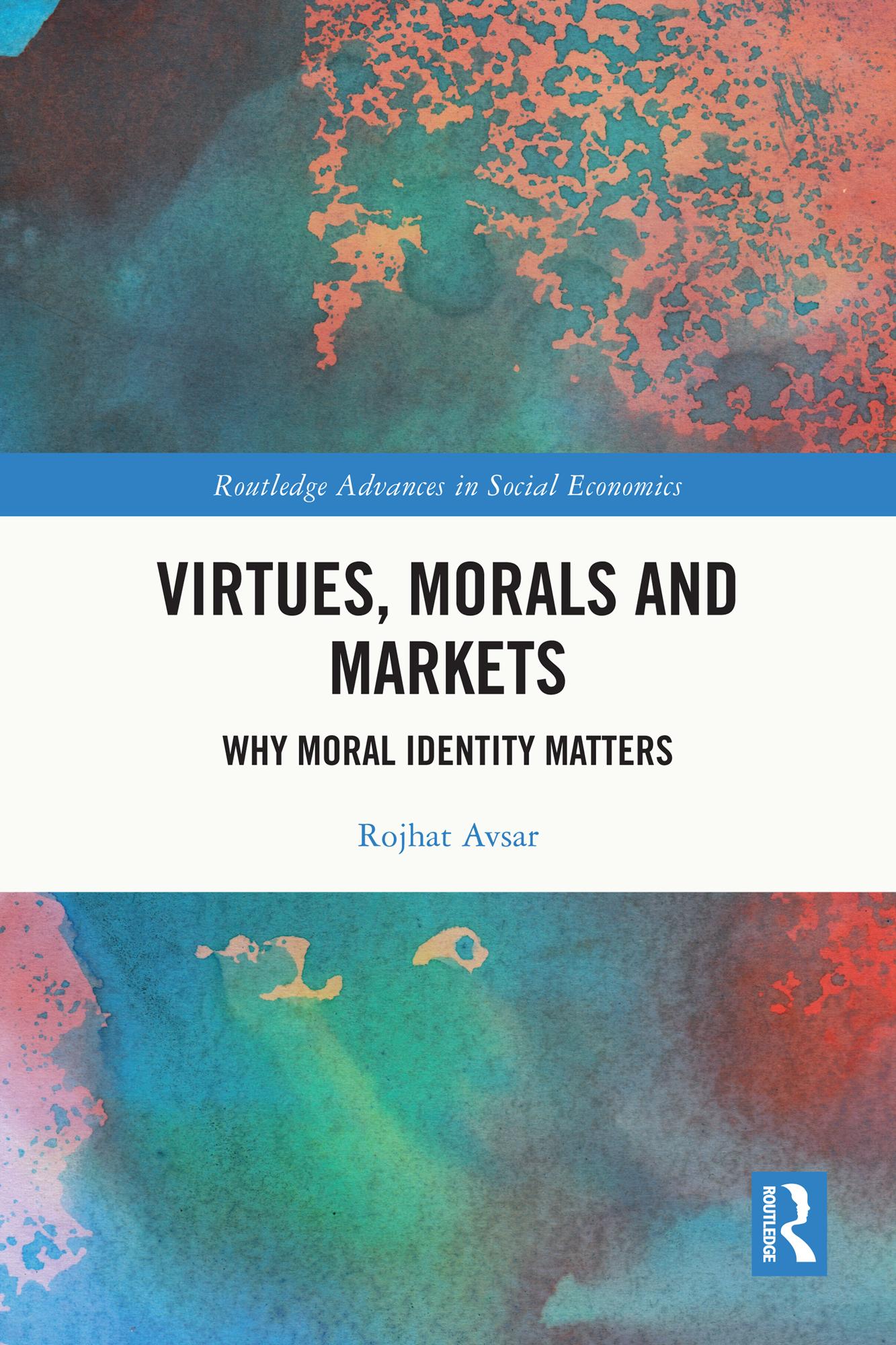
Being oblivious to the motivational nuances behind human behavior could lead one to overlook the distinction that a good action does not always indicate a good character. Conversely, this book argues that such nuances are paramount. Focusing on character over consequences is vital because motivational differences have fundamental implications for the welfare of the individual and society. Drawing on Aristotelian virtue ethics, the book argues that the utilitarian economic rhetoric, the rise of identity politics, and the growing commodification have allowed an illusion that moral and economic lives can be detached to take root in our culture. The book provides a robust philosophical argument articulating the inadequacy of the modern conception of morality (as a set of universal rules) that underlies economics and many modern-day institutions and aims to create a greater awareness of the connection between virtuous character and leading fulfilled lives. Integrating contemporary empirical findings with theoretical/philosophical insights, the book develops a coherent and convincing framework that could help transform the welfare ideology that underlies economic policies and modern institutions. This book is essential for anyone interested in questions of ethics in economics and related fields, including welfare economics, microeconomics, political economy, institutional economics, evolutionary economics, social economics, and behavioral economics.
Zahle einfach mit Karte, Klarna, Apple Pay oder Google Pay. Nicht zufrieden? Du hast immer ein 14-tägiges Widerrufsrecht. Lies mehr in unseren AGB. Hast du Fragen, schreib uns eine E-Mail an hello@memmo.org.
Memmo macht das Lernen einfacher – wo auch immer du bist. Bei uns findest du deine Kursbücher und smarte Lerntools an einem Ort: Zusammenfassungen, Quizzes, Podcasts und Lernkarten. Und Ted, dein Lernbuddy, beantwortet alles, was du wissen möchtest. Über 50.000 Studierende lernen bereits hier – gemacht, damit du schneller lernst und weniger Stress hast.