
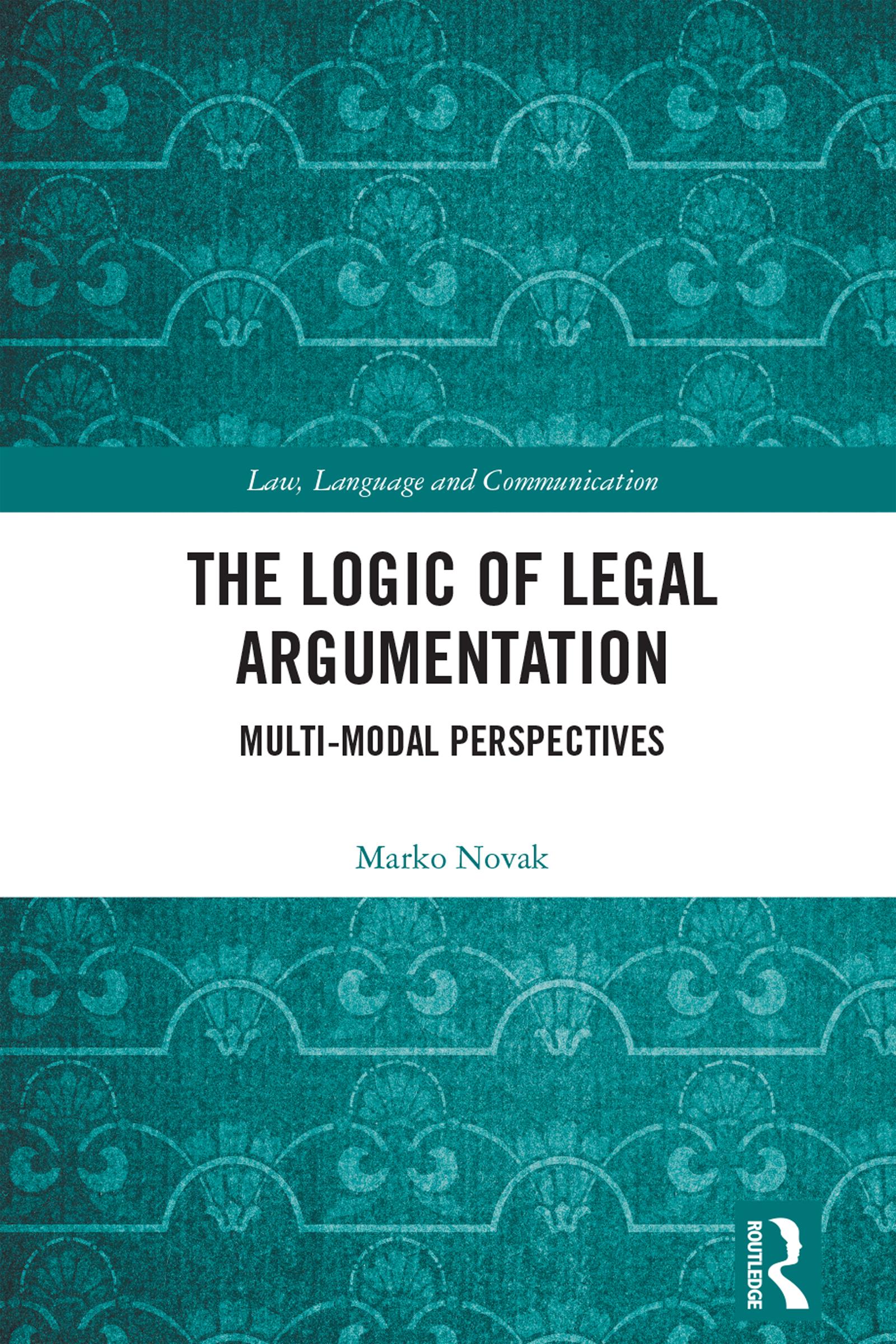
Multi-modal argumentation with its logical, emotional, visceral and kisceral arguments is an important addition to logical argumentation, especially when real-life situations are considered. It does not discard logic but adds other modes of argumentation to complement it, to emphasize the realistic environments of communication. In this sense, the multi-modal theory is important for the area of legal argumentation, where even in the reasoning of judicial decisions traces of a flesh-and-blood personality, who decided the case and wrote the reasons, can be found.
This book presents a comprehensive analysis of this informal logic in legal argumentation and its practicality within the law. It argues that by building on the dialectical and rhetorical models of legal argument, the former being important for clear cases while the latter for unclear ones, the multi-modal theory of legal argumentation brings together logic and psychology in a holistic or integral perspective. The approach is not only descriptive, identifying the traces of alternate arguments in judicial decisions, but is also normative, presenting the criteria for evaluation that multi-modal arguments need to face to attain validity in the legal context.
The work will be of interest to academics and researchers in the areas of Legal Theory, Legal Linguistics, Philosophy of Law, and Communication Studies.
Zahle einfach mit Karte, Klarna, Apple Pay oder Google Pay. Nicht zufrieden? Du hast immer ein 14-tägiges Widerrufsrecht. Lies mehr in unseren AGB. Hast du Fragen, schreib uns eine E-Mail an hello@memmo.org.
Memmo macht das Lernen einfacher – wo auch immer du bist. Bei uns findest du deine Kursbücher und smarte Lerntools an einem Ort: Zusammenfassungen, Quizzes, Podcasts und Lernkarten. Und Ted, dein Lernbuddy, beantwortet alles, was du wissen möchtest. Über 50.000 Studierende lernen bereits hier – gemacht, damit du schneller lernst und weniger Stress hast.