
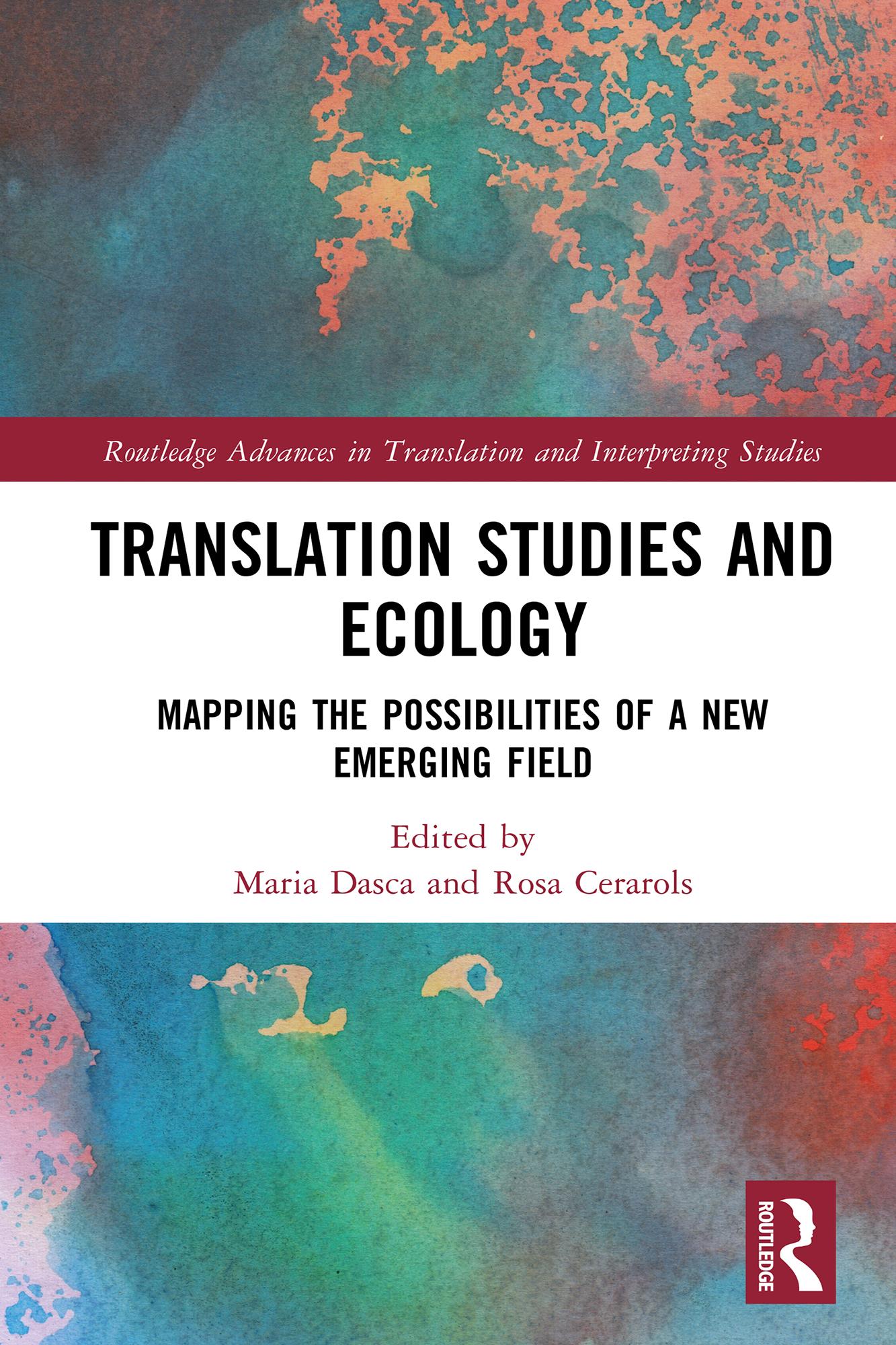
This innovative collection explores the points of contact between translation practice and ecological culture by focusing on the relationship between ecology and translation.
The volume’s point of departure is the idea that translations, like all human activities, have a relational basis. Since they depend on places and communities to which they are addressed as well as on the cultural environment which made them possible, they should be understood as situated cultural practices, governed by a particular political ecology. Through the analysis of phenomena that relate translation and ecological culture (such as the development of ecofeminism; the translation of texts on nature; translation in postcolonial contexts; the role of dialect and minority languages in literary translation and institutional language policies and the translation of texts on migration) the book offers interpretive models that contribute to the development of eco-translation. Th volume showcases a comparative and interdisciplinary approach to an emerging disciplinary field which has gained prominence at the start of the 21st century, and places special emphasis on the perspective of gender and linguistic diversity across a wide range of languages.
This book will be of interest to students and scholars in translation studies, linguistics, communication, cultural studies, and environmental humanities.
Zahle einfach mit Karte, Klarna, Apple Pay oder Google Pay. Nicht zufrieden? Du hast immer ein 14-tägiges Widerrufsrecht. Lies mehr in unseren AGB. Hast du Fragen, schreib uns eine E-Mail an hello@memmo.org.
Memmo macht das Lernen einfacher – wo auch immer du bist. Bei uns findest du deine Kursbücher und smarte Lerntools an einem Ort: Zusammenfassungen, Quizzes, Podcasts und Lernkarten. Und Ted, dein Lernbuddy, beantwortet alles, was du wissen möchtest. Über 50.000 Studierende lernen bereits hier – gemacht, damit du schneller lernst und weniger Stress hast.