
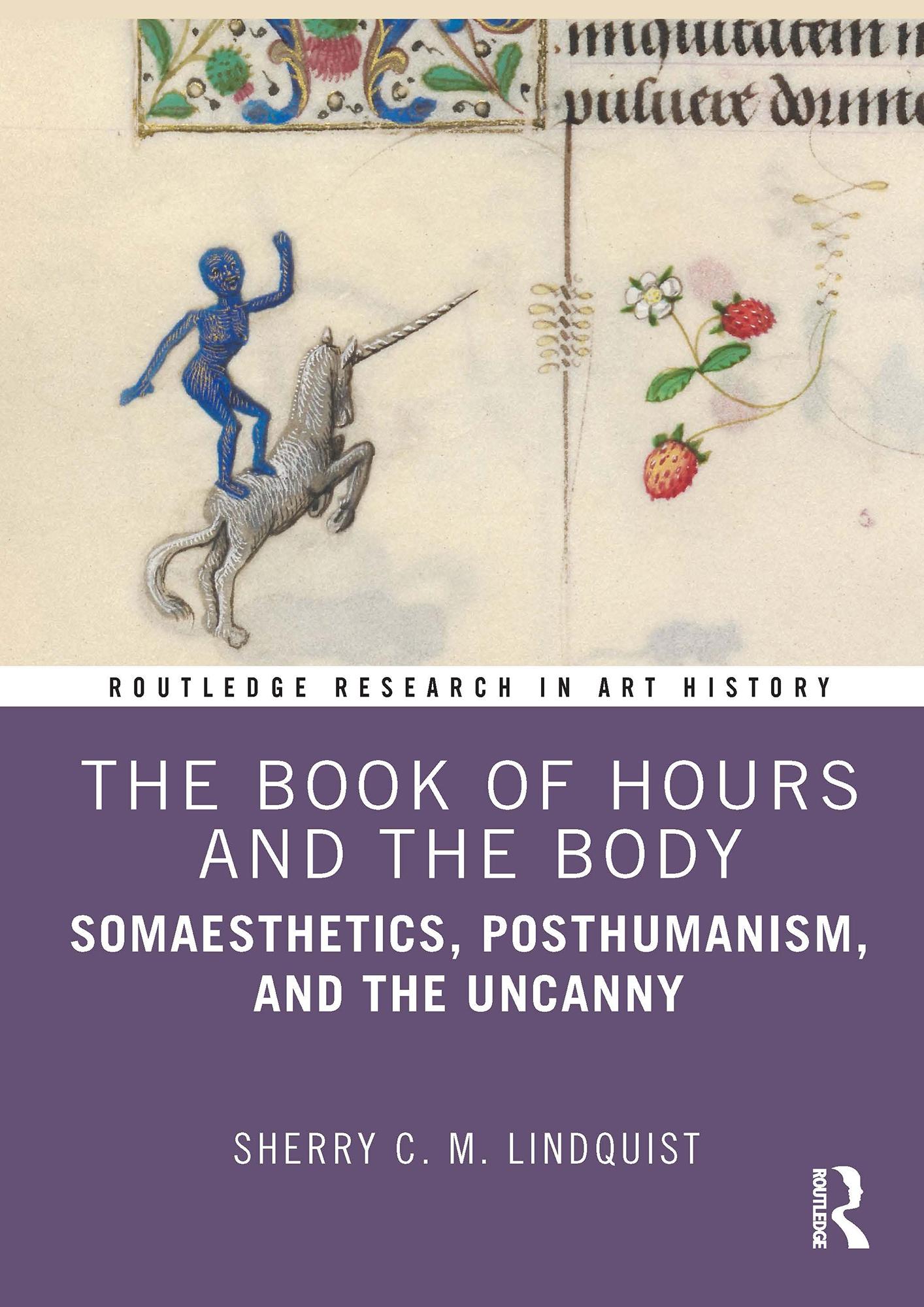
This book explores our corporeal connections to the past by considering what three theoretical approaches - somaesthetics, posthumanism, and the uncanny - may reveal about both premodern and postmodern terms of embodiment.
It takes as its point of departure a selection of fifteenth-century northern European Books of Hours - evocative objects designed at once to inscribe social status, to strengthen religious commitment, to entertain, to stimulate emotions, and to encourage discomfiting self-scrutiny. Studying their kaleidoscopically strange, moving, humorous, disturbing, and imaginative pages not only enables a window into relationships among bodies, images, and things in the past but also in our own internet era, where surprisingly popular memes drawn from such manuscripts constitute a part of our own visual culture.
In negotiating theoretical, post-theoretical, and historical concerns, this book aims to contribute to an emerging and much-needed intersectional social history of art. It will be of interest to scholars working in art history, medieval studies, Renaissance/early modern studies, gender studies, the history of the book, posthumanism, aesthetics, and the body.
Zahle einfach mit Karte, Klarna, Apple Pay oder Google Pay. Nicht zufrieden? Du hast immer ein 14-tägiges Widerrufsrecht. Lies mehr in unseren AGB. Hast du Fragen, schreib uns eine E-Mail an hello@memmo.org.
Memmo macht das Lernen einfacher – wo auch immer du bist. Bei uns findest du deine Kursbücher und smarte Lerntools an einem Ort: Zusammenfassungen, Quizzes, Podcasts und Lernkarten. Und Ted, dein Lernbuddy, beantwortet alles, was du wissen möchtest. Über 50.000 Studierende lernen bereits hier – gemacht, damit du schneller lernst und weniger Stress hast.