
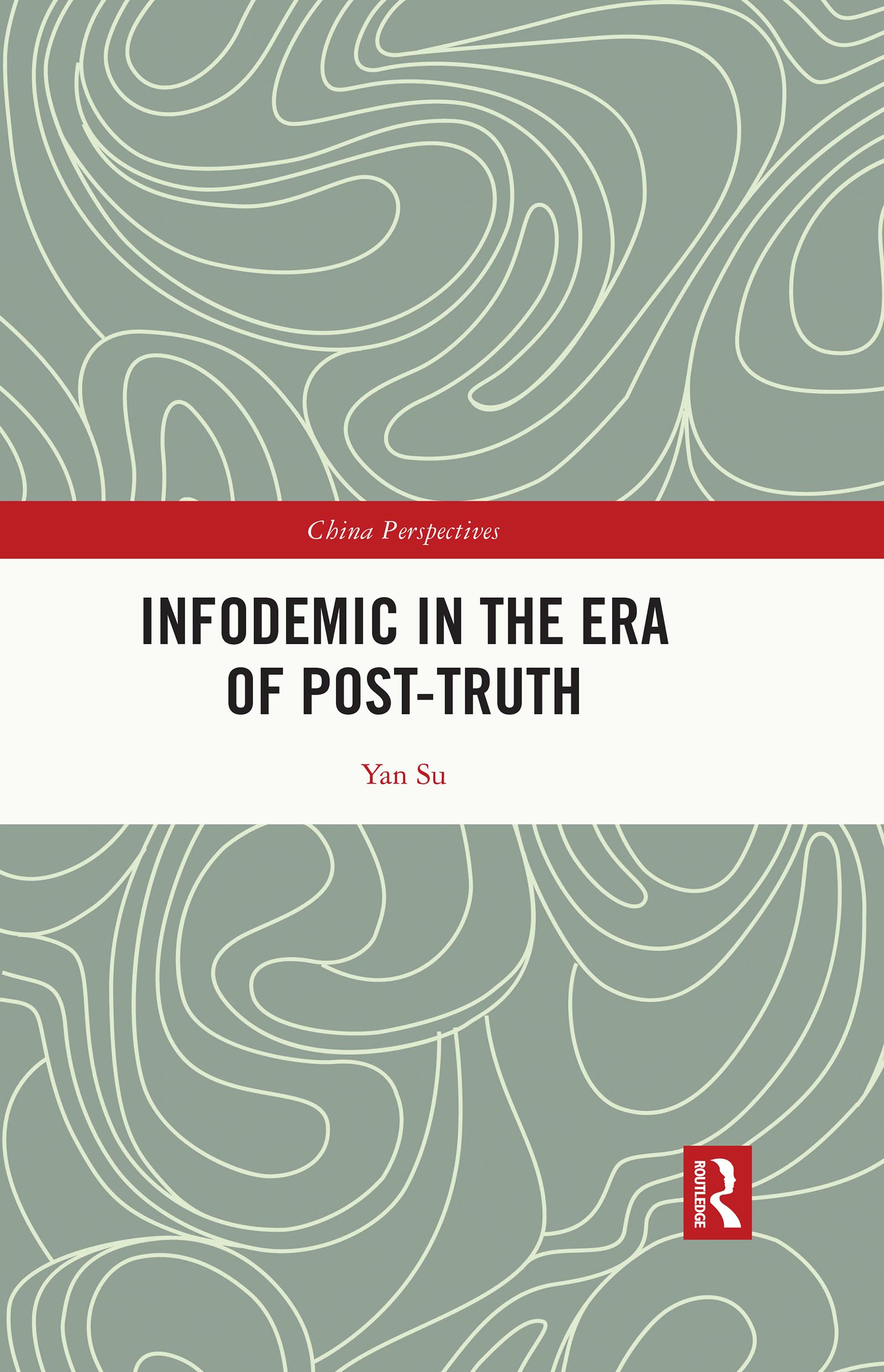
With the revolution in information technology, concerns about the proliferation of false, unverified, and misleading information have been growing. As one of the severe public health crises in modern history, the COVID-19 pandemic has provided a novel context for the "post-truth" research. In a "post-truth" era, people are no longer interested in investigating objective facts, but tend to curl up in echo chambers and resonate with like-minded others. Against this backdrop, this book (1) systematically conceptualises "post-truth" and analyzes its defining characteristics and driving forces, (2) examines the nuanced effects of information sources and news consumption behaviours and strategies on COVID-19 misperceptions and knowledge, (3) explores the role of social media in shaping COVID-19-related misperceptions and knowledge, and (4) highlights the importance of news media literacy in navigating the "post-truth" era.
The book will be essential reading for students and scholars of media and film studies, communication studies and comparative studies. It will also be a useful reference for medical and media professionals such as doctors, nurses and journalists.
Zahle einfach mit Karte, Klarna, Apple Pay oder Google Pay. Nicht zufrieden? Du hast immer ein 14-tägiges Widerrufsrecht. Lies mehr in unseren AGB. Hast du Fragen, schreib uns eine E-Mail an hello@memmo.org.
Memmo macht das Lernen einfacher – wo auch immer du bist. Bei uns findest du deine Kursbücher und smarte Lerntools an einem Ort: Zusammenfassungen, Quizzes, Podcasts und Lernkarten. Und Ted, dein Lernbuddy, beantwortet alles, was du wissen möchtest. Über 50.000 Studierende lernen bereits hier – gemacht, damit du schneller lernst und weniger Stress hast.