
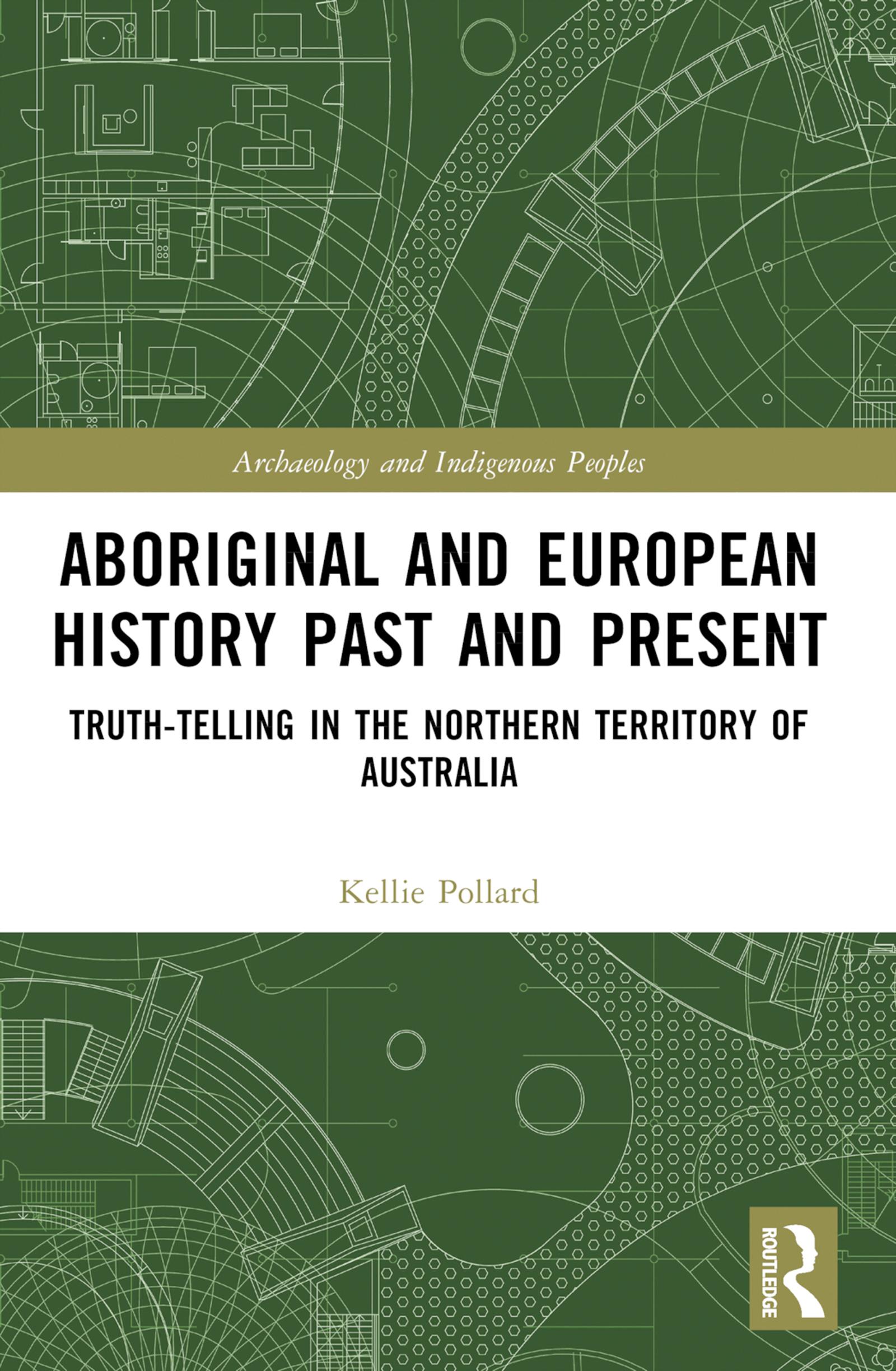
This book analyses the 150-year history of continuous contact between Aboriginal people and non-Aboriginal people in the Darwin region of the Northern Territory of Australia after the European invasion in 1869 to the present day.
It explores the role Aboriginal fringe camps served, and still do, as places of interface between Aboriginal people and non-Aboriginal people in the context of ongoing colonialism after colonisation. The book argues that Aboriginal fringe camps provide much potential for elucidating aspects of Aboriginal responses to the European invasion and, in a contemporary context, bear distinct evidence of a cultural nature that associates their origins, use, purpose, and functions predominantly with Aboriginal people. It contributes a new and innovative theoretical model that will enable readers to conceive how insights about Aboriginal behaviour in the context of Aboriginal fringe camps were achieved. The model is informed by the frameworks of colonialism and, innovatively, philosophy.
Contributing new theoretical knowledge to contact histories and relations between Europeans and Indigenous peoples, the book will be important to researchers in the archaeology of Australia and those concerned with Indigenous Studies.
Zahle einfach mit Karte, Klarna, Apple Pay oder Google Pay. Nicht zufrieden? Du hast immer ein 14-tägiges Widerrufsrecht. Lies mehr in unseren AGB. Hast du Fragen, schreib uns eine E-Mail an hello@memmo.org.
Memmo macht das Lernen einfacher – wo auch immer du bist. Bei uns findest du deine Kursbücher und smarte Lerntools an einem Ort: Zusammenfassungen, Quizzes, Podcasts und Lernkarten. Und Ted, dein Lernbuddy, beantwortet alles, was du wissen möchtest. Über 50.000 Studierende lernen bereits hier – gemacht, damit du schneller lernst und weniger Stress hast.