
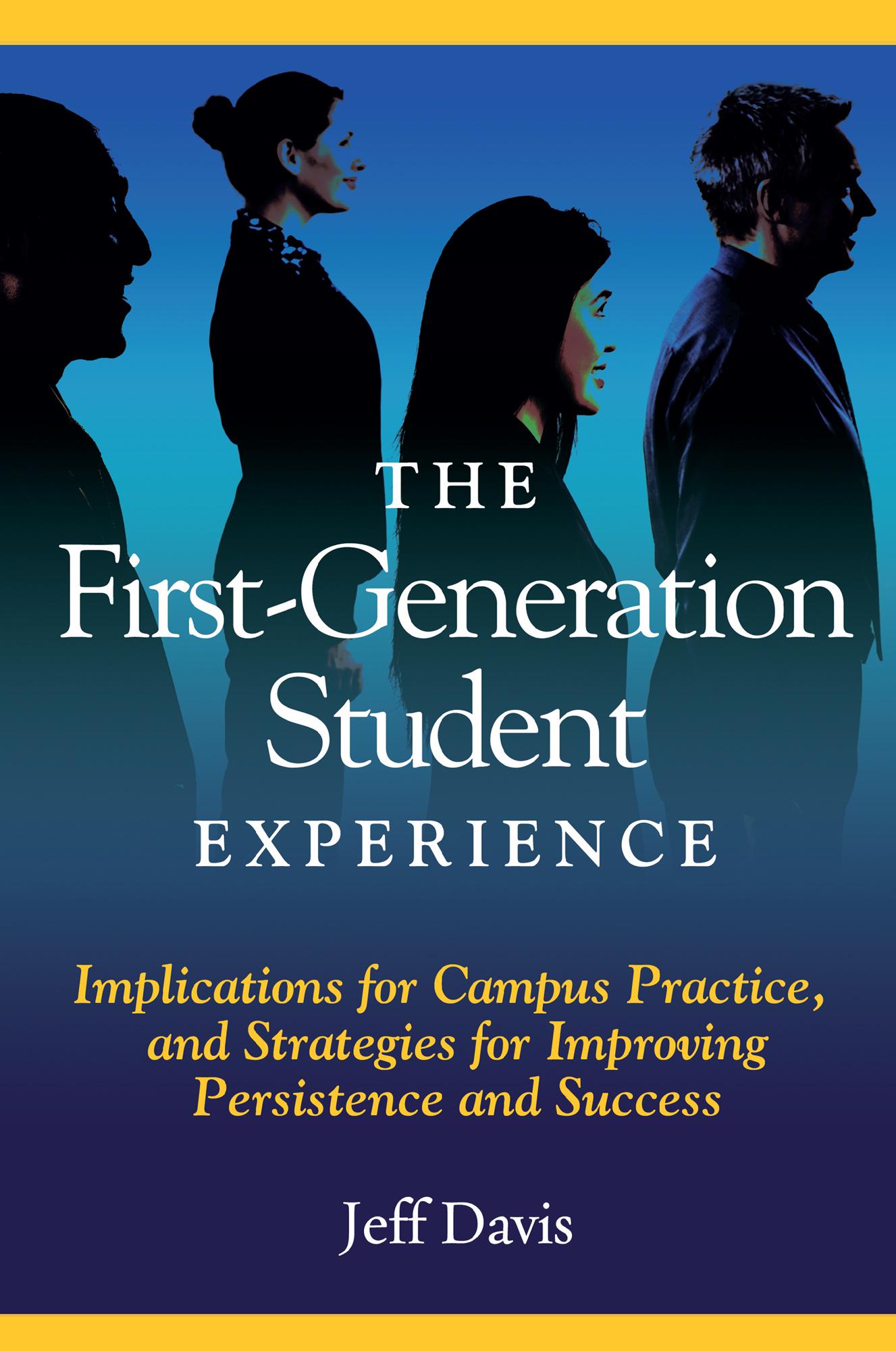
Co-published with More first-generation students are attending college than ever before, and policy makers agree that increasing their participation in higher education is a matter of priority. Despite this, there is no agreed definition about the term, few institutions can quantify how many first-generation students are enrolled, or mistakenly conflate them with low-income students, and many important dimensions to the first-generation student experience remain poorly documented. Few institutions have in place a clear, well-articulated practice for assisting first-generation students to succeed. Given that first-generation students comprise over 40% of incoming freshmen, increasing their retention and graduation rates can dramatically increase an institution’s overall retention and graduation rates, and enhance its image and desirability. It is clearly in every institution’s self-interest to ensure its first-generation students succeed, to identify and count them, and understand how to support them. This book provides high-level administrators with a plan of action for deans to create the awareness necessary for meaningful long-term change, sets out a campus acclimation process, and provides guidelines for the necessary support structures.At the heart of the book are 14 first-person narratives – by first-generation students spanning freshman to graduate years – that help the reader get to grips with the variety of ethnic and economic categories to which they belong. The book concludes by defining 14 key issues that institutions need to address, and offers a course of action for addressing them. This book is intended for everyone who serves these students – faculty, academic advisors, counselors, student affairs professionals, admissions officers, and administrators – and offers a set of best practices for how two- and four-year institutions can improve the success of their first-generation student populations.An ACPA Publication
Zahle einfach mit Karte, Klarna, Apple Pay oder Google Pay. Nicht zufrieden? Du hast immer ein 14-tägiges Widerrufsrecht. Lies mehr in unseren AGB. Hast du Fragen, schreib uns eine E-Mail an hello@memmo.org.
Memmo macht das Lernen einfacher – wo auch immer du bist. Bei uns findest du deine Kursbücher und smarte Lerntools an einem Ort: Zusammenfassungen, Quizzes, Podcasts und Lernkarten. Und Ted, dein Lernbuddy, beantwortet alles, was du wissen möchtest. Über 50.000 Studierende lernen bereits hier – gemacht, damit du schneller lernst und weniger Stress hast.