
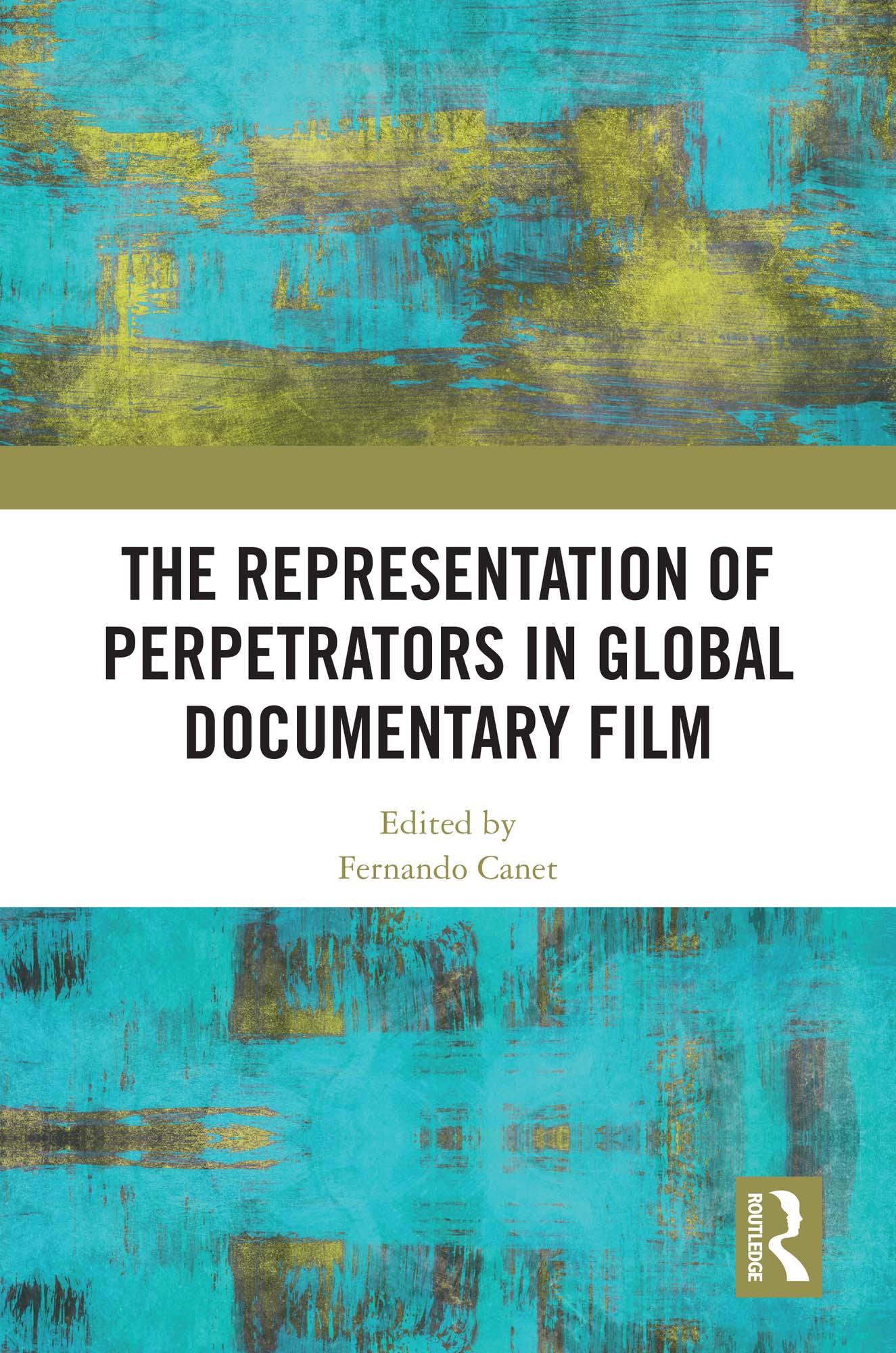
The present book aims to explore how the perpetrator of crimes against humanity is represented in recent documentary films in different sociocultural contexts around the world.
In recent years the number of diverse forms of cultural productions focused on the figure of perpetrator has increased significantly, thus eliciting a turn toward this problematic figure. The originality of these narratives lies in the shift in point of view they propose: their protagonists, rather than being the victims of the atrocities, are instead their perpetrators. A significant number of documentary films examining crimes against humanity from the perpetrators’ perspective have been released in the first two decades of this century. This current tendency together with the growing scholarly interest in the explorations of the perpetrator underscore the timeliness of the present book. It aims to explore how the perpetrator is represented in recent documentary films in different sociocultural contexts around the world. The perpetrator documentary films’ objects of study in this book are contextualized in the following contexts: Indonesian, Cambodian and Rwandan genocides, Chilean and Argentine dictatorship, Spanish Civil War and its aftermaths, Israeli-Palestinian conflict, Nazi legacy, South Africa Apartheid and USA´s state perpetrations. Among others, the documentary films analysed are as follows: The Act of Killing, The Look of Silence, S-21: The Khmer Rouge Killing Machine, National Bird, Fahrenheit 11/9, Waltz with Bashir, Z32, El Pacto de Adriana, El Color del Camaleón, 70 y Pico, and El hijo del cazador.
The Representation of Perpetrators in Global Documentary Film will be a key resource for academics, researchers, and advanced students of Filmmaking, Communication Studies, Media Studies, Visual Studies, Cultural Studies, and Sociology. The chapters included in this book were originally published as a special issue of Continuum.
Zahle einfach mit Karte, Klarna, Apple Pay oder Google Pay. Nicht zufrieden? Du hast immer ein 14-tägiges Widerrufsrecht. Lies mehr in unseren AGB. Hast du Fragen, schreib uns eine E-Mail an hello@memmo.org.
Memmo macht das Lernen einfacher – wo auch immer du bist. Bei uns findest du deine Kursbücher und smarte Lerntools an einem Ort: Zusammenfassungen, Quizzes, Podcasts und Lernkarten. Und Ted, dein Lernbuddy, beantwortet alles, was du wissen möchtest. Über 50.000 Studierende lernen bereits hier – gemacht, damit du schneller lernst und weniger Stress hast.