
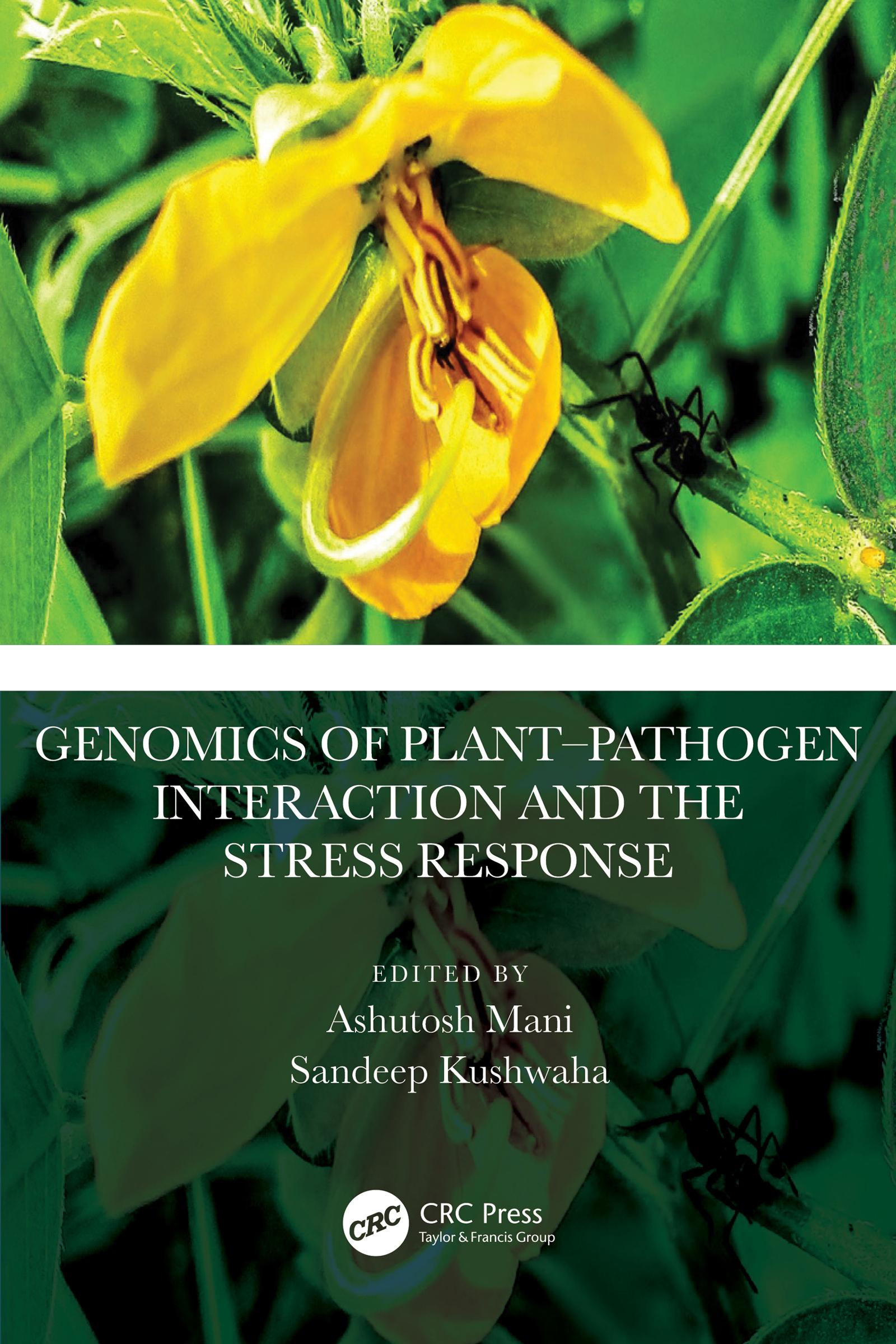
Plants are an indispensable part of human and animal lives for nutrition and health. But pests, diseases and abiotic stress adversely affect crop yield, which ultimately places significant pressure on society to provide food to an increasing population. Moreover, it also encourages increased chemical/pesticide usage on crops, which we see in the biomagnification of toxic and hazardous compounds polluting water bodies, soil and the environment. This condition will continue to worsen in the future due to the resistance-acquiring ability of pathogens against plant defense and chemical treatments. In addition, environmental disturbances and consumer health issues are being reported more promptly than before due to intensive use of pesticides in food production. Plant diseases affect our daily lives, as the use of insecticides and pesticides has become part of our food chain. As a result, precise disease diagnosis and management is crucial in order to avoid huge losses in plant production and related commodities. Accurate detection, precise diagnosis and proper management can play a significant role in keeping plants free from pathogens. In this book, scientists, researchers and scholars share their research knowledge, offering a valuable resource for understanding plant diseases, pathogen interaction and responses to stress through an omics perspective, contributing to further advancements in the field
Diseases in plants may be caused by various factors, such as viruses, bacteria, fungi and abiotic stress. Disease causes low crop yield, production of poor-quality fruits and grains, and deficiency of nutrients, which have a direct impact on human and animal health. A genomics-based approach can be applied to disease diagnosis; disease outbreak; evolution of plant and pathogen genome for disease outbreak in relation to climate change; and development of long-term strategies for plant health and defense. This book presents an overview of omics technologies and approaches used to understand:
- the relation between plants and their environment in terms of diseases
- responses to abiotic stress
- the genomics of plant–pathogen interaction
- herbicide-resistance mechanisms
- the epigenetics of plant–pathogen interaction
- gene regulation during abiotic stress response
- the oxidative stress response
Zahle einfach mit Karte, Klarna, Apple Pay oder Google Pay. Nicht zufrieden? Du hast immer ein 14-tägiges Widerrufsrecht. Lies mehr in unseren AGB. Hast du Fragen, schreib uns eine E-Mail an hello@memmo.org.
Memmo macht das Lernen einfacher – wo auch immer du bist. Bei uns findest du deine Kursbücher und smarte Lerntools an einem Ort: Zusammenfassungen, Quizzes, Podcasts und Lernkarten. Und Ted, dein Lernbuddy, beantwortet alles, was du wissen möchtest. Über 50.000 Studierende lernen bereits hier – gemacht, damit du schneller lernst und weniger Stress hast.