
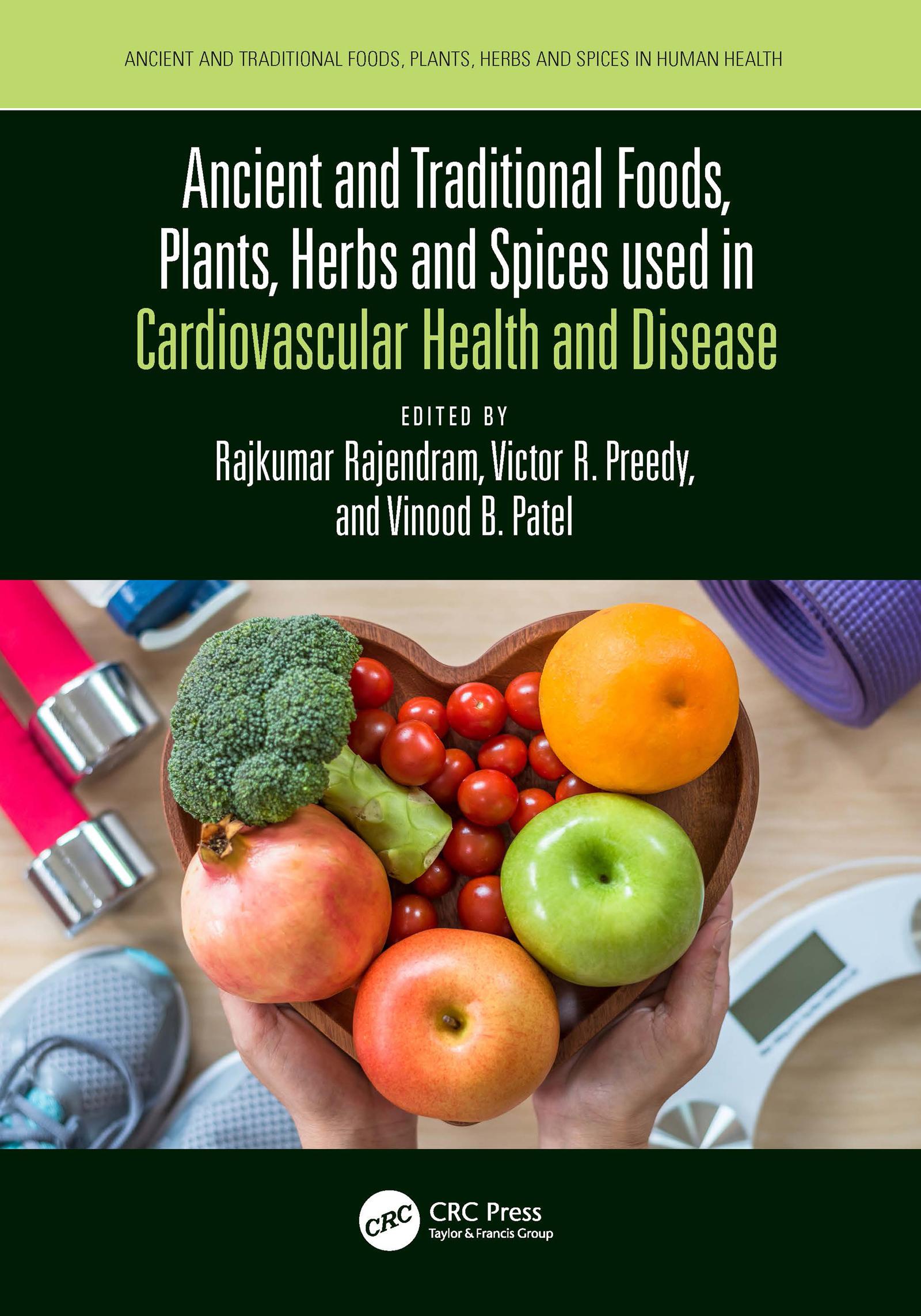
The use of different foods, herbs, and spices to treat or prevent disease has been recorded for thousands of years. Egyptian papyrus, hieroglyphics and ancient texts from the Middle East have described the cultivation and preparations of herbs and botanicals to "cure the sick". There are even older records from China and India. Some ancient scripts describe the use of medicinal plants which have never been seen within European cultures. Indeed, all ancient civilizations have pictorial records of different foods, herbs, and spices being used for medical purposes. However, there are fundamental issues pertaining to the scientific evidence for the use of these agents or their extracts in modern medicine.
There have been considerable advances in scientific techniques over the last few decades. These have been used to examine the composition and applications of traditional cures. Modern science has also seen the investigation of herbs, spices and botanicals beyond their traditional usage. For example, plants which have been used for “digestion” or “medical ills” since time immemorial are now being investigated for anti-cancer properties or their toxicity, using high throughput screening. Techniques also include molecular biology, cellular biochemistry, physiology, endocrinology and even medical imaging. However, much of the material relating to the scientific basis or applications of traditional foods, herbs, spices and botanicals is scattered among various sources. The widespread applicability of foods or botanicals are rarely described and cautionary notes on toxicity are often ignored. These issues are explored in Ancient and Traditional Foods, Plants, Herbs and Spices used in Cardiovascular Health and Disease.
Features:
- Investigates alternative healthcare paradigms that use traditional dietary foods, plant-derived materials, and extracts to treat cardiovascular diseases
- Provides information on diets, specific agents, and extracts
- Many chapters focus on plant-derived material, providing a historical background, uses, toxicity and cautionary notes and summary points
With contributions from leading international experts, this book is useful for cardiologists, nutritionists, physicians, healthcare workers, food scientists and those working in the food industry, pharmacologists, and research scientists.
Zahle einfach mit Karte, Klarna, Apple Pay oder Google Pay. Nicht zufrieden? Du hast immer ein 14-tägiges Widerrufsrecht. Lies mehr in unseren AGB. Hast du Fragen, schreib uns eine E-Mail an hello@memmo.org.
Memmo macht das Lernen einfacher – wo auch immer du bist. Bei uns findest du deine Kursbücher und smarte Lerntools an einem Ort: Zusammenfassungen, Quizzes, Podcasts und Lernkarten. Und Ted, dein Lernbuddy, beantwortet alles, was du wissen möchtest. Über 50.000 Studierende lernen bereits hier – gemacht, damit du schneller lernst und weniger Stress hast.