
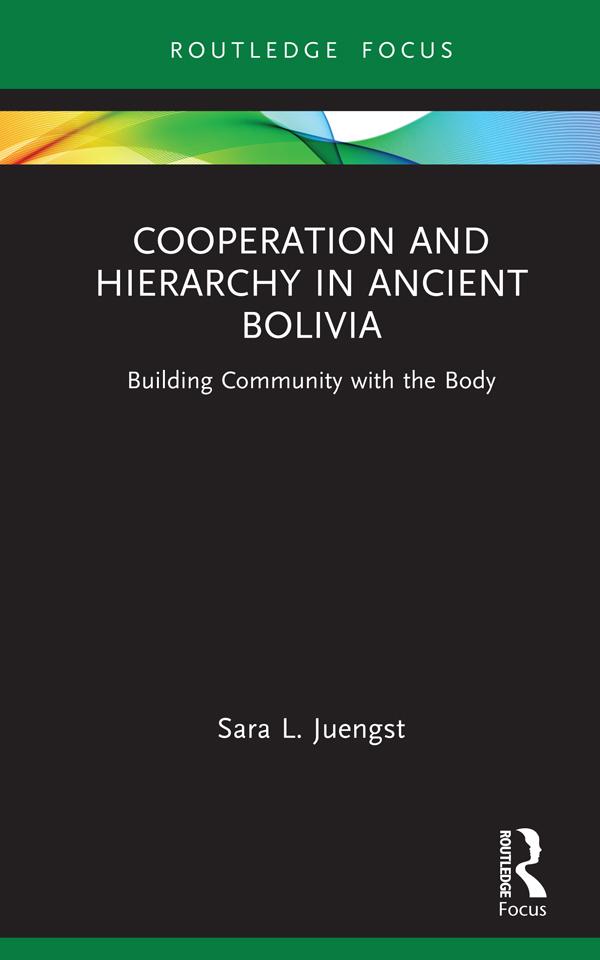
This book explores how past peoples navigated and created power structures and social relationships, using a case study from the Titicaca Basin of Bolivia (800 BC–AD 400). Based on the analysis of human skeletal remains, it combines anthropological social theory, archaeological contexts, and biological indicators of identity, disease, and labor to present a microhistory. The analysis moves in scale from individual experiences of daily life to broad patterns of shared identity and kinship during a time of significant economic and ecological change in the lake basin. The volume is particularly valuable for scholars and students interested in what bioarchaeology can tell us about power and social relationships in the past and how this is relevant to modern constructions of community.
Zahle einfach mit Karte, Klarna, Apple Pay oder Google Pay. Nicht zufrieden? Du hast immer ein 14-tägiges Widerrufsrecht. Lies mehr in unseren AGB. Hast du Fragen, schreib uns eine E-Mail an hello@memmo.org.
Memmo macht das Lernen einfacher – wo auch immer du bist. Bei uns findest du deine Kursbücher und smarte Lerntools an einem Ort: Zusammenfassungen, Quizzes, Podcasts und Lernkarten. Und Ted, dein Lernbuddy, beantwortet alles, was du wissen möchtest. Über 50.000 Studierende lernen bereits hier – gemacht, damit du schneller lernst und weniger Stress hast.