
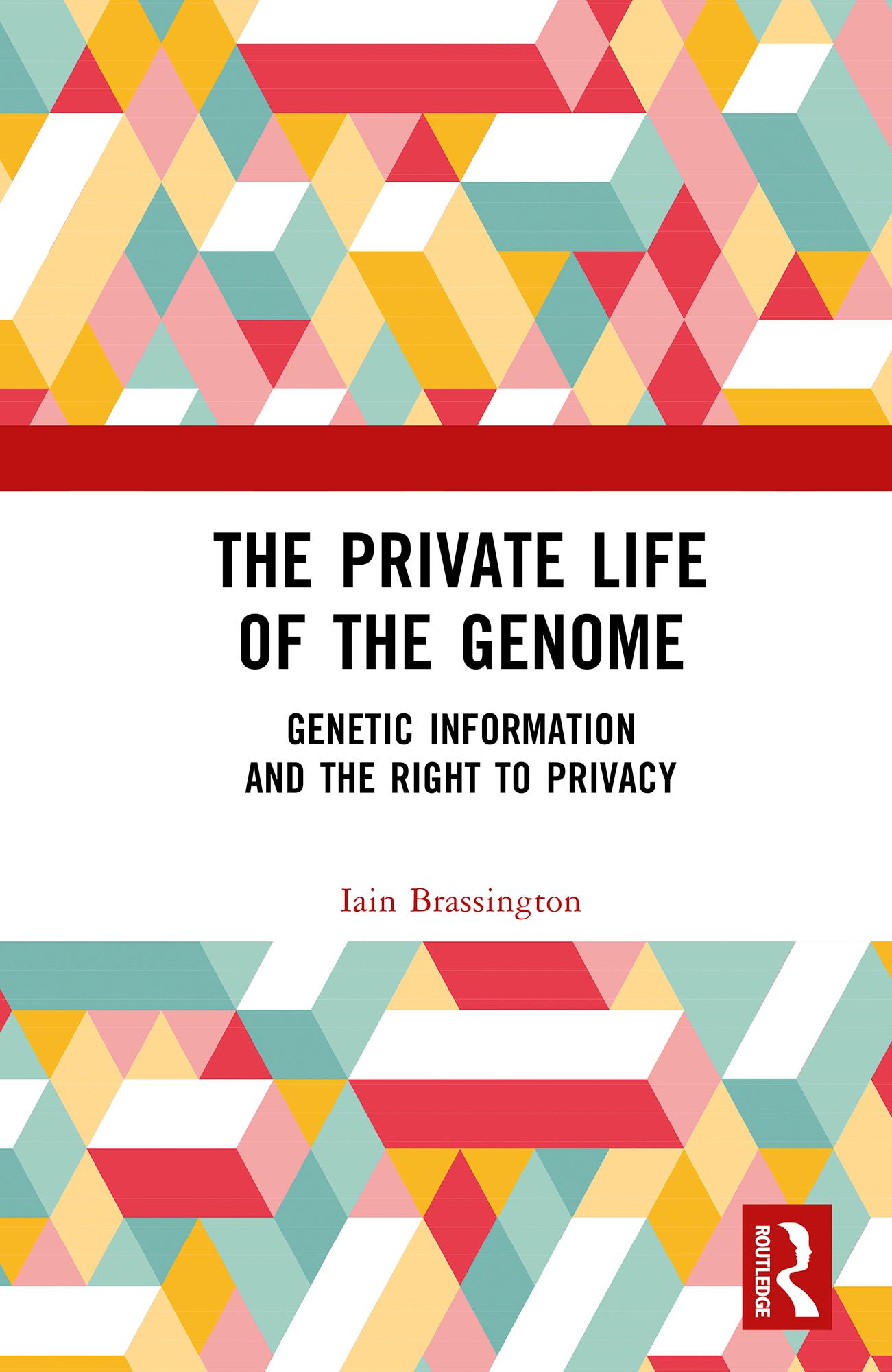
This innovative and engaging book argues that because our genetic information is directly linked to the genetic information of others, it is impossible to assert a ‘right to privacy’ in the same way that we can in other areas of life.
This position throws up questions around access to sensitive data. It suggests that we may have to abandon certain intuitions about who may access our genetic information; and it raises concerns about discrimination against people with certain genetic characteristics. But the author asserts that regulating access to genetic information requires a more nuanced perspective that does not rely on the familiar language of rights. The book proposes new ways in which we may think about who has access to what genetic information, and on what basis they do so.
Conceptually challenging, the book will prove engaging reading for scholars and students interested in the area of bioethics and medical law, as well as policy makers working with these pressing issues.
Zahle einfach mit Karte, Klarna, Apple Pay oder Google Pay. Nicht zufrieden? Du hast immer ein 14-tägiges Widerrufsrecht. Lies mehr in unseren AGB. Hast du Fragen, schreib uns eine E-Mail an hello@memmo.org.
Memmo macht das Lernen einfacher – wo auch immer du bist. Bei uns findest du deine Kursbücher und smarte Lerntools an einem Ort: Zusammenfassungen, Quizzes, Podcasts und Lernkarten. Und Ted, dein Lernbuddy, beantwortet alles, was du wissen möchtest. Über 50.000 Studierende lernen bereits hier – gemacht, damit du schneller lernst und weniger Stress hast.