
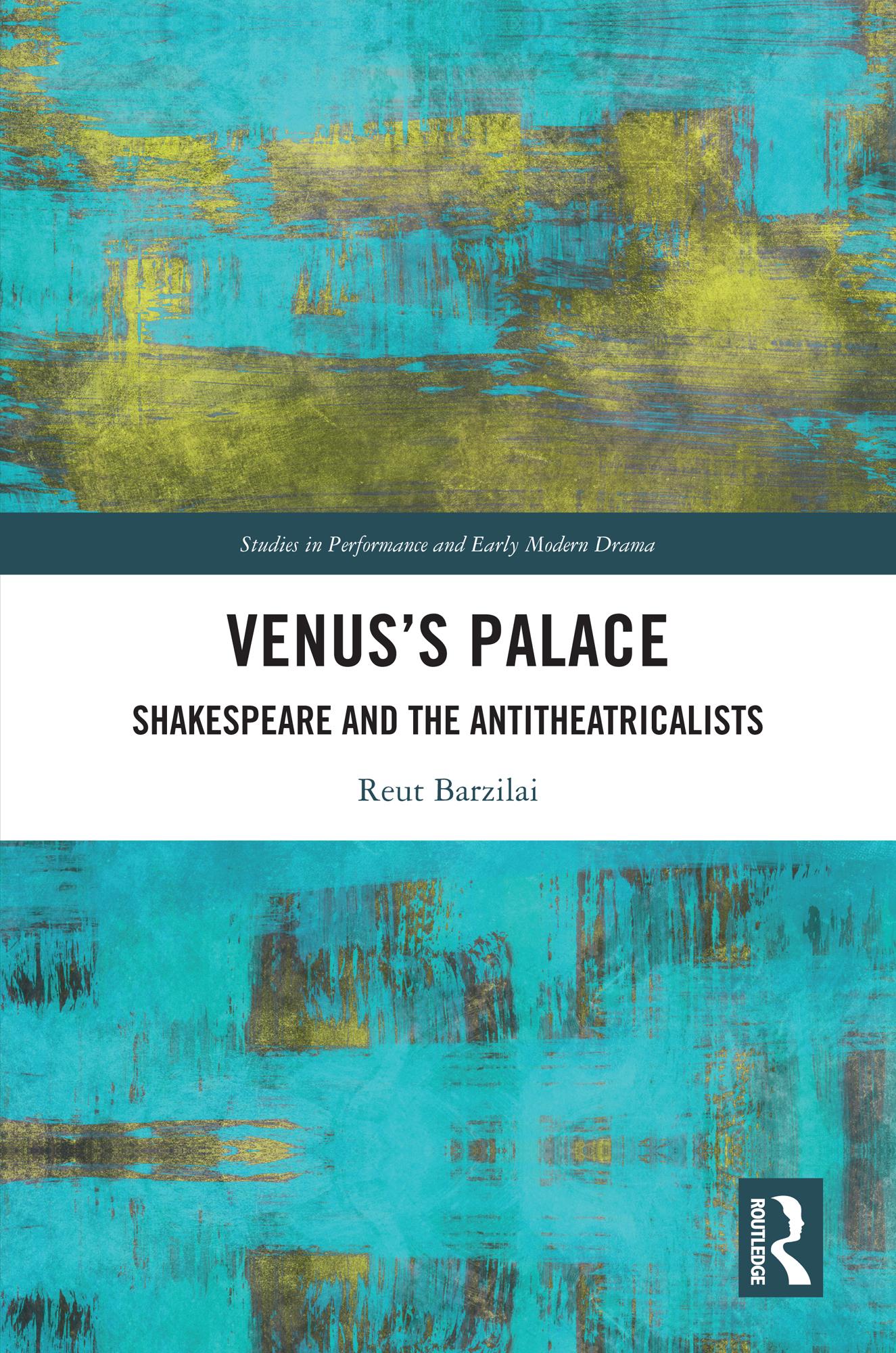
This book lays bare the dialogue between Shakespeare and critics of the stage and positions it as part of an ongoing cultural, ethical, and psychological debate about the effects of performance on actors and on spectators. In so doing, the book makes a substantial contribution both to the study of representations of theatre in Shakespeare’s plays and to the understanding of ethical concerns about acting and spectating—then, and now.
The book opens with a comprehensive and coherent analysis of the main early modern English anxieties about theater and its power. These are read against twentieth- and twenty-first-century theories of acting, interviews with actors, and research into the effects of media representation on spectator behaviour, all of which demonstrate the lingering relevance of antitheatrical claims and the personal and philosophical implications of acting and spectating. The main part of the book reveals Shakespeare’s responses to major antitheatrical claims about the powerful effects of poetry, music, playacting, and playgoing. It also demonstrates the evolution of Shakespeare’s view of these claims over the course of his career: from light-hearted parody in A Midsummer Night’s Dream, through systematic contemplation in Hamlet, to acceptance and dramatization in The Tempest.
This study will be of great interest to scholars and students of theater, English literature, history, and culture.
Zahle einfach mit Karte, Klarna, Apple Pay oder Google Pay. Nicht zufrieden? Du hast immer ein 14-tägiges Widerrufsrecht. Lies mehr in unseren AGB. Hast du Fragen, schreib uns eine E-Mail an hello@memmo.org.
Memmo macht das Lernen einfacher – wo auch immer du bist. Bei uns findest du deine Kursbücher und smarte Lerntools an einem Ort: Zusammenfassungen, Quizzes, Podcasts und Lernkarten. Und Ted, dein Lernbuddy, beantwortet alles, was du wissen möchtest. Über 50.000 Studierende lernen bereits hier – gemacht, damit du schneller lernst und weniger Stress hast.