
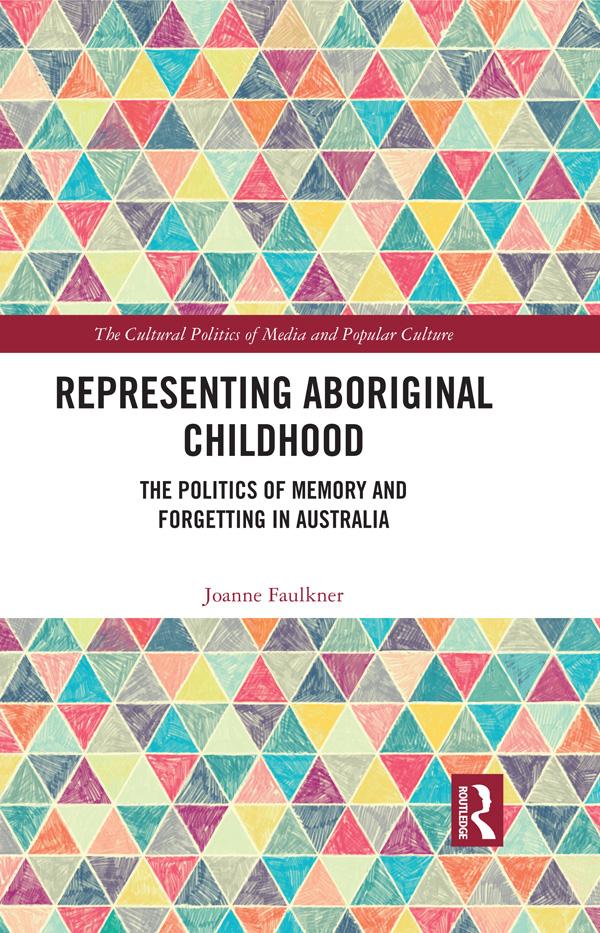
This book critically investigates the ways in which Aboriginal children and childhood figure in Australia’s cultural life to mediate Australians’ ambivalence about the colonial origins of the nation, as well as its possible post-colonial futures. Engaging with representations in literature, film, governmental discourse, and news and infotainment media, it shows how ways of representing Aboriginal children and childhood serve a national project of representing settler-Australian values, through the forgetting of colonial violence. Analysing the ways in which certain negative aspects of Australian nationhood are concealed, rendered invisible, and repressed through practices of representing Aboriginal children and childhood, it challenges accepted ‘shared understandings’ regarding Australian-ness and settler-colonial sovereignty.
Through an innovative interdisciplinary approach that engages critical theory, post-colonial theory, literary studies, history, psychoanalysis, and philosophy, Representing Aboriginal Childhood responds to urgent questions that pivot on the role of the Indigenous child within settler nation-state formations. As such, it will appeal to scholars of sociology and social geography, collective memory, politics and cultural studies.
Zahle einfach mit Karte, Klarna, Apple Pay oder Google Pay. Nicht zufrieden? Du hast immer ein 14-tägiges Widerrufsrecht. Lies mehr in unseren AGB. Hast du Fragen, schreib uns eine E-Mail an hello@memmo.org.
Memmo macht das Lernen einfacher – wo auch immer du bist. Bei uns findest du deine Kursbücher und smarte Lerntools an einem Ort: Zusammenfassungen, Quizzes, Podcasts und Lernkarten. Und Ted, dein Lernbuddy, beantwortet alles, was du wissen möchtest. Über 50.000 Studierende lernen bereits hier – gemacht, damit du schneller lernst und weniger Stress hast.