
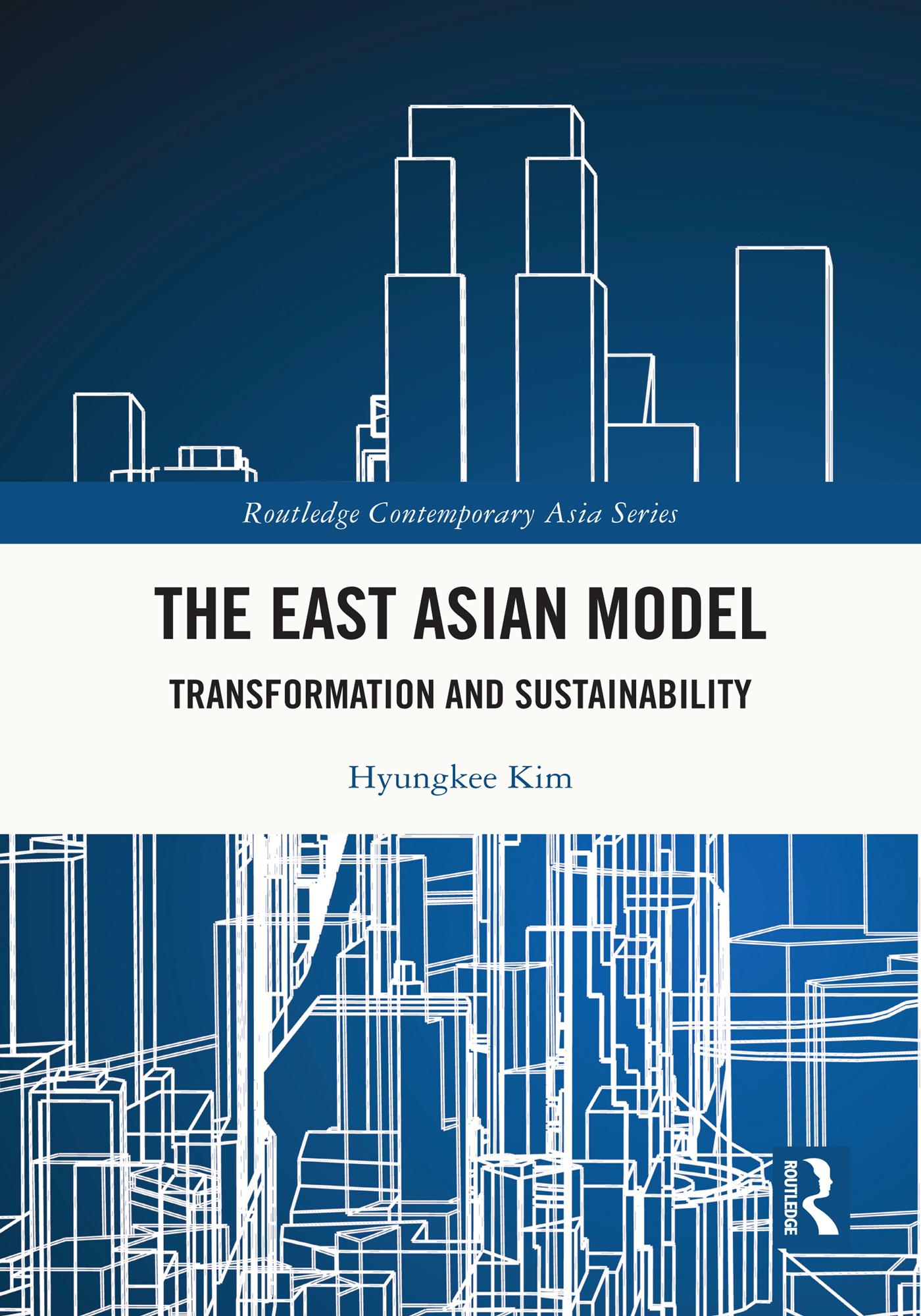
Hyungkee Kim analyses the model of East Asian development as it existed during periods of high growth and how it was transformed by pressures from both the Washington consensus and its own internal contradictions.
Many have discussed the successes and failures of the East Asian model, but Kim is concerned rather with the story of its transformation, and its long-term sustainability. He uses a Five Sector Model, which focuses on the, state, corporate, financial, labour, and foreign sectors to identify the core of East Asian model and examine the variants in Korea, Japan and China. He also outlines the distinctions between the East Asian model and Western development models including the Anglo-American, Rhine, and Nordic models. He analyses in detail the institutional changes such as marketization, privatization, liberalization, and flexibilization that have transformed the East Asian model. Highlighting the major problems that emerged from the transformation of the East Asian model, Kim assesses its prospects for economic, social and ecological sustainability and proposes an agenda for institutional reforms.
An essential reading for scholars of East Asian political economy.
Zahle einfach mit Karte, Klarna, Apple Pay oder Google Pay. Nicht zufrieden? Du hast immer ein 14-tägiges Widerrufsrecht. Lies mehr in unseren AGB. Hast du Fragen, schreib uns eine E-Mail an hello@memmo.org.
Memmo macht das Lernen einfacher – wo auch immer du bist. Bei uns findest du deine Kursbücher und smarte Lerntools an einem Ort: Zusammenfassungen, Quizzes, Podcasts und Lernkarten. Und Ted, dein Lernbuddy, beantwortet alles, was du wissen möchtest. Über 50.000 Studierende lernen bereits hier – gemacht, damit du schneller lernst und weniger Stress hast.